

Have you ever dreamed of experiencing the magic of Everest Base Camp — not just for yourself, but with your entire family? Imagine grandparents, parents, and children walking side by side, sharing stories, conquering trails, and watching the mighty Himalayas unfold together. We present you “The Everest Base Camp Trek for Family”, which is designed to turn that dream into a joyful reality.
This isn’t just a trek — it’s a once-in-a-lifetime multi-generational bonding experience, carefully crafted for families of all sizes and age groups. From sunrise views at Kalapatthar to warm cups of tea in mountain teahouses, every day brings new memories and stronger connections. Whether you’re celebrating a milestone, reuniting after years, or just craving quality time off-grid, this journey promises meaning, magic, and mountains.
Our 21-day itinerary is thoughtfully paced to ensure comfort, acclimatization, and safety for everyone — from energetic kids to wise grandparents. With family-friendly lodges, experienced guides, and ample rest days, we make sure every member of your group feels supported and inspired.
At Pristine Nepal Treks, we believe that the best adventures are the ones shared. So why not make Everest part of your family story?








Key Highlights of Everest Base Camp Trek for Family:
- Specially designed for families — suitable for children, parents, and grandparents alike
- Reach the iconic Everest Base Camp (5,364m/17,600ft) together as a family achievement
- Enjoy a safe and comfortable journey with a well-paced 21-day itinerary
- Experience a scenic mountain flight to Lukla — gateway to Everest
- Cross the thrilling Hillary Suspension Bridge and walk ancient mountain trails
- Explore Namche Bazaar, the Sherpa capital filled with culture and charm
- Savor breakfast or tea at the Everest View Hotel (3,880m/12,729ft) with panoramic mountain views
- Visit the historic Tyangboche Monastery — a spiritual gem in the Khumbu
- Immerse in Sherpa village life and bond with locals through shared stories
- Trek through the UNESCO World Heritage-listed Sagarmatha National Park
- Witness spectacular views of Everest, Lhotse, Nuptse, Ama Dablam, and other towering peaks
- Stay in family-friendly teahouses with attached bathrooms at multiple stops for added comfort


Typical Day on the Trek
At Pristine Nepal Treks, we believe that a smooth and enjoyable day on the trail starts with good planning and comfort. That’s why every day of the trek follows a thoughtful, relaxed rhythm—perfect for families of all ages.
Each evening before bed, we’ll ask you to pre-order your breakfast for the next morning to help our teahouse hosts prepare efficiently. Breakfast is usually served between 6:30 to 7:00 AM. Before heading to the dining hall, we recommend having your backpacks ready—our porters will collect and carry them so you can walk freely and comfortably.
After breakfast, your guide will give a short briefing about the day’s route, some useful tips, and a quick packing checklist to make sure everyone is prepared. Then, we hit the trail!
Since this family package features shorter trekking distances, we often arrive at our next destination by early afternoon. In many cases, lunch will be served upon reaching the teahouse. However, if the walk is slightly longer or depending on how the group feels, we’re flexible—we can stop for lunch along the way too. Either way, there’s no rush—the pace is yours.
Throughout the day, we’ll take plenty of breaks, enjoy the scenery, take family photos, and let the kids explore. Our guides love sharing stories and local insights to make the walk educational and engaging for all age groups.
Upon reaching our destination, there’s time to relax, explore the village, or simply sip tea and soak in the view. Dinner is served around 6:30 PM, followed by a short health checkup by our team to ensure everyone is doing well. After that, the evenings are easy and heartwarming — filled with chit-chat, card games, stories, or even learning some local Sherpa words!
We’ll also brief you about the next day’s plan, and of course, take your breakfast order for tomorrow. And then—it’s time to say good night and rest under the stars, ready for another beautiful day in the Himalayas.
Is There an Age Limit for Family Members?
There’s no strict age limit, but we recommend this trek for children aged 10 and above and for adults in generally good health. That being said, we’ve had successful treks with both younger kids and adventurous senior citizens/elderly over 65 — the key is preparation, pacing, and support.
Before the trek, we help families understand what to expect and how to prepare with light training, gear checklists, and realistic expectations. Our team adjusts the pace as needed on the trail and offers extra help where necessary — whether that’s carrying a child’s backpack or guiding an elder up a hill with patience.
If your family is active, loves the outdoors, and values time together, this trek is absolutely doable and incredibly rewarding.
How Do You Ensure Comfort and Safety for All?
At Pristine Nepal Treks, your family’s comfort and safety are always our top priorities—especially when it comes to trekking with children, parents, and grandparents together. We’ve carefully designed this package to be stress-free, flexible, and supportive for all age groups.
The itinerary includes enough acclimatization days (Namche and Dingobche) and shorter walking hours so that everyone—from the youngest to the oldest—can move at their own pace. Our guides are trained to read the group’s energy and adjust accordingly. There’s no pressure to rush—this is your family’s journey, and we want you to enjoy every step.
Each trek is led by an experienced, licensed guide who knows the trail inside and out. For every 5 trekkers, we also provide an assistant guide to ensure personalized care. And for extra support, one porter is assigned for every two trekkers, helping carry your gear so you can walk freely and comfortably.
We carry a comprehensive first aid kit on every trek, including an oximeter to monitor oxygen levels. Every evening, our team conducts a simple health check-up to make sure everyone is feeling well. If anyone needs extra support—whether it’s a rest day, a shorter walking plan, or medical attention—we are prepared to assist immediately.
For added peace of mind, we’re always ready to coordinate emergency helicopter evacuations if needed, and we encourage all families to have insurance that covers high-altitude trekking.
Comfort goes beyond safety, though—we’ve also arranged for teahouses with attached bathrooms in many stops, fresh fruits with dinner, and hot tea or coffee at every meal. It’s all these little things that make a big difference on a long journey with loved ones.
With us, you’re not just trekking — you’re being cared for like family, every step of the way.
Everest Base Camp Trek Services
Here are the services included in the package
- Airport picks up and drop by private vehicle
- Four nights hotel in Kathmandu on the basis of twin sharing bedroom including breakfast (Hotel Thamel Park or Hotel Jampa or Similar)
- Kathmandu – Ramechhap – Kathmandu transfer by private vehicle
- Ramechhap – Lukla – Ramechhap domestic flight (Mid-March to May and mid-September to November)
- Kathmandu – Lukla – Kathmandu domestic flight (June to mid-September and December to mi-March)
- 10kg luggage and 5kg hand carry on Lukla flight
- Lodge accommodation
- A Sleeping bag with -20 degrees Celsius resistance
- Attached bathroom: 2N at Phakding, 3N at Namche Bazar, 1N at Pangboche, 2N at Dingboche, 1N at Tyagboche and 1N at Lukla (Other places will have a twin shared bedroom on the mountain0
- Meals: Breakfast, lunch and dinner, serving tea or coffee cup as per meal only on the mountain during trekking
- Fresh fruits with dinner
- Water purification tablets
- Trekking permits
- An experienced government license holder trekking guide for each 5 people
- One porter for two trekkers from Lukla (Up to 20kg weight restriction for porter)
- First Aid Kit including an oximeter (daily oxygen level checkup)
- Pristine Nepal Trek’s Duffle Bag (No need to worry about this; we provide it at no extra charge. You will use it for packing your supplies and you can bring it with you at home as a souvenir.)
- Pristine Nepal Trek’s T-shirt as a souvenir
- Certificate of completion/achievement from PNT
- Farewell dinner at Nepali restaurant in Kathmandu
- (Note: No compensation from Lukla delayed and cancelled flights)
Here are the service excluded in the EBC packages:
- Nepal visa fee ($30 for 15 days and $50 for 30 days)
- Travel insurance including helicopter evacuation up to 6000m and medical expenses
- Tips to guide and porter
- Personal expenses such as laundry, wifi internet, battery charges, snacks & deserts, soft & hard drinks, horse riding
- Anything that is not included in the inclusion section
- Extra nights hotel in Kathmandu in early arrival, late departure, early return from the mountain in any cases
If you are more interested in Luckury then we have the 14 days Luxury Everest Base Camp Trek Package that has upgraded service in accommodation and services.
21 Days Everest Base Camp Trek for Senior Detailed Itinerary
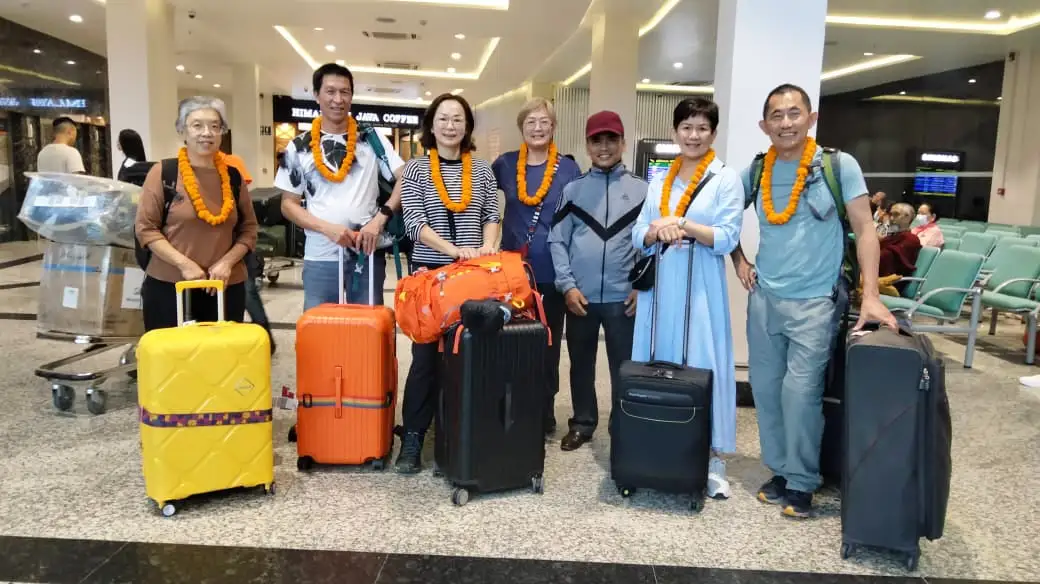
Upon arrival at Tribhuvan International Airport (TIA) in Kathmandu, typically at an elevation of 1,350m (4,429ft), a dedicated representative will greet your family and facilitate a comfortable transfer to your hotel. This initial day is carefully designed for your family to settle in, unwind, and begin the process of adjusting to the new time zone, minimizing the effects of jet lag.
Upon reaching the hotel, you will complete the check-in process. If your arrival is early in the day, our company owner, Chin Thapa, may meet you on the same day to provide a briefing about the entire trek. If your arrival is later in the day or at night, the briefing will take place the following day. This ensures you receive all the necessary information and a warm introduction to your trekking adventure.
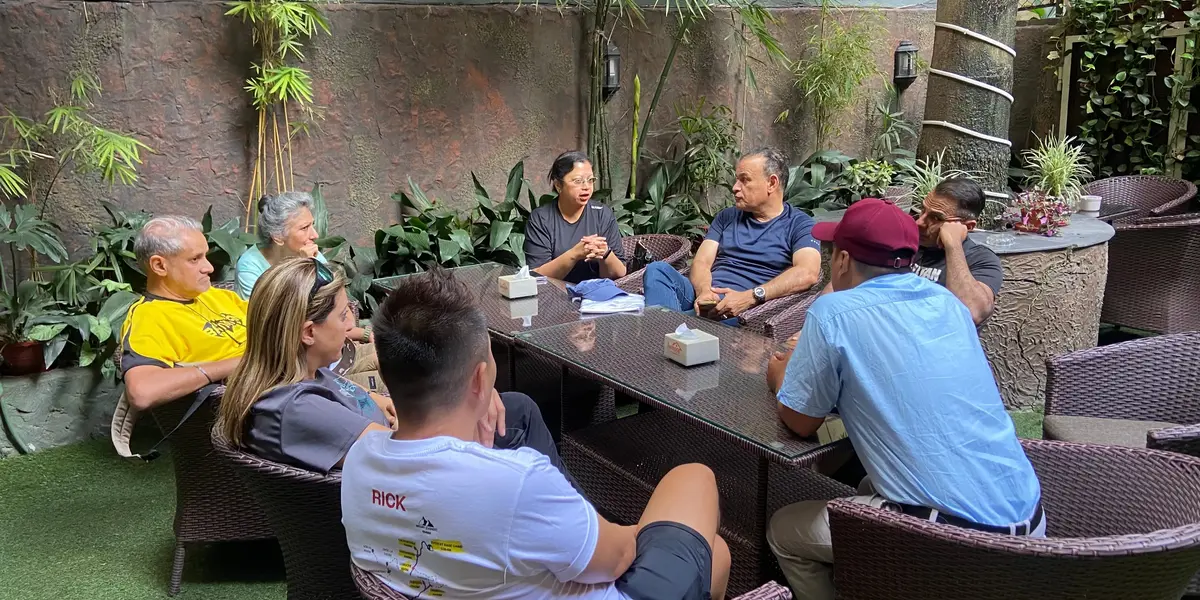
This pivotal day is dedicated to comprehensive trek preparations and offers an optional opportunity for cultural exploration within Kathmandu. Your family will participate in a detailed briefing session with your trekking guide, where the itinerary, safety protocols, and packing list will be thoroughly reviewed. This briefing is a critical safety measure, fostering direct interaction with the guide, building trust, and ensuring that all family members, including younger trekkers, fully comprehend the demands of the journey and adhere to safety guidelines.
This day also provides a valuable opportunity for any last-minute shopping for trekking gear in the bustling Thamel district, known for its wide array of equipment. Kathmandu serves as a vital logistical hub, making it the final chance to acquire or replace any essential items before venturing into more remote areas where options are severely limited.
Optionally, your family may choose to explore Kathmandu Valley’s UNESCO World Heritage Sites, such as the sacred Pashupatinath Temple or the magnificent Boudhanath Stupa. This cultural immersion offers a gentle introduction to Nepal’s rich heritage, building excitement and cultural appreciation before the physical demands of the trek truly begin.


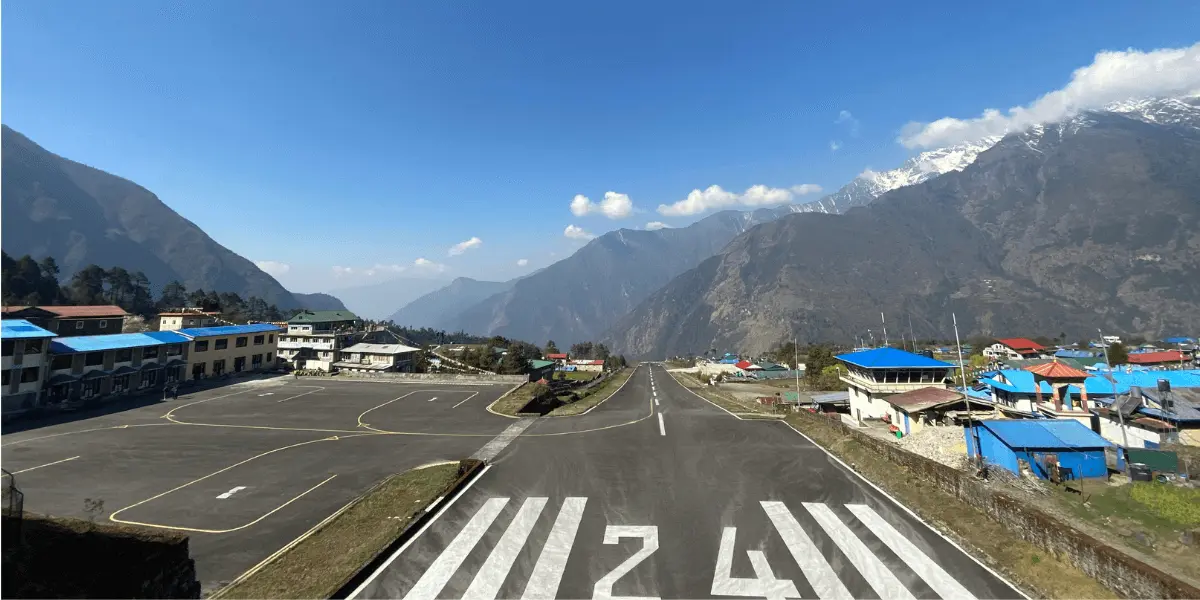
The expedition truly commences with an early morning transfer to Ramechhap or Kathmandu airport, depending on flight logistics. From there, your family will embark on a scenic 20-35 minute flight to Lukla (2,800m / 9,186ft), often referred to as the gateway to the Everest region.
The flight itself is an exhilarating experience, offering “exquisite views of Nepal” , immediately setting an adventurous tone for the trek. Upon landing in Lukla, the trekking portion begins with a relatively easy 3-4 hour downhill walk to Phakding (2,610m / 8,563ft).
This initial descent is a practical application of the “climb high but sleep low” principle, subtly aiding acclimatization from day one without requiring strenuous effort. Along the trail, your family will encounter numerous mani walls and prayer wheels, adding a cultural dimension to the scenic walk , and cross several iconic suspension bridges over the Dudh Kosi River. Overnight accommodation will be in a comfortable teahouse.
Trek Distance: 7.8km/4.8miles

The day commences with a delightful breakfast, setting the tone for the trek ahead. Today’s journey involves crossing three suspension bridges, marking the beginning of gaining elevation. The trail continues alongside the Dudhkoshi River, and from Phakding, you will pass through several small settlements like Zamphute, Tok Tok, Benker, and Monjo, eventually reaching Jhorsalle in approximately 3 hours.
As you traverse this path, immerse yourself in the beautiful scenery of lush forests and catch the first glimpse of the prominent Mt. Thamserku. The trail features intermittent uphill sections, adding to the trek’s varied terrain.
Upon reaching Monjo, a checkpoint stop is required to showcase your permit. From this point onward, you enter the Sagarmatha National Park, a UNESCO World Heritage site. A short 15-20 minute walk from Monjo brings you to Jhorsalle for the overnight stay. It’s important to note that Jhorsalle primarily serves as a lunch stop, and only normal accommodations are available here.
Trek Distance: 6 km (3.7 miles)
As usual, the trek begins after a satisfying breakfast. Today is anticipated to be a bit challenging. Shortly after starting the trek, we’ll cross a suspension bridge. After walking for about half an hour, we’ll reach a location offering a view of the iconic Hillary Bridge. This spot serves as a rest stop where we pause for a few minutes to capture photos. Following this, we ascend to reach the Hillary Bridge.
At the Hillary Bridge site, you’ll observe two bridges, with the lower one being the oldest and no longer in use. The upper bridge is the one we will cross. After crossing the Hillary Bridge, the trail gradually ascends until reaching Namche Bazaar. Winding through lush forests of pines and junipers, the journey to Namche takes approximately 3 hours, considering a slower pace.
Before reaching Namche, we encounter a checkpoint and then proceed toward the town. Upon arriving in Namche, you will be greeted by the magnificent view of Kongde Ri mountain. Namche serves as the gateway to all trekking destinations in the Everest region, and the energy in the town is palpable.
After reaching Namche, take some time to have lunch, rest, and explore the vibrant town. The remainder of the day is free for relaxation or further exploration. Overnight stay in Namche.
Trek Distance: 4.7 km (2.9 miles)
Today is a crucial day for acclimatization and rest at Namche, situated at an elevation of 3440 m/11,286 ft. After a couple of days of trekking at higher elevations, this rest day is essential for allowing your body to adjust.
We can start the day a bit later than usual. Following breakfast, the day begins with a hike to the Sagarmatha National Park, where a statue of the legendary mountaineer Tenzing Norgay Sherpa, the first Everest summiteer along with Sir Edmund Hillary, stands. This location offers a breathtaking view of Everest, Lhotse, Ama Dablam, Nuptse, Taboche, and many others.
After spending some time at the park, the journey continues to the Everest Museum for a brief outside tour. Subsequently, we embark on a hike to Syangboche, involving a steep uphill climb. After about one and a half hours, we reach Sagarmatha Next, a site we will visit on our return to Namche.
Continuing forward, we head to Hotel Everest View, one of the highest-situated hotels at an elevation of 3880m/12,730ft. A short tea break here allows us to enjoy the scenic views of Mount Everest, Nuptse, Lhotse, Ama Dablam, and more. After spending some time, we descend to visit Sagarmatha Next.
Sagarmatha Next is a newly constructed site that collects waste materials from the Khumbu region and aims to recycle and reuse them. The staff will provide a briefing, and after spending some time there, we descend to our hotel in Namche.
Following lunch and a bit of rest, you are free to explore the town. The remainder of the day is for relaxation and exploration. Overnight stay in Namche.
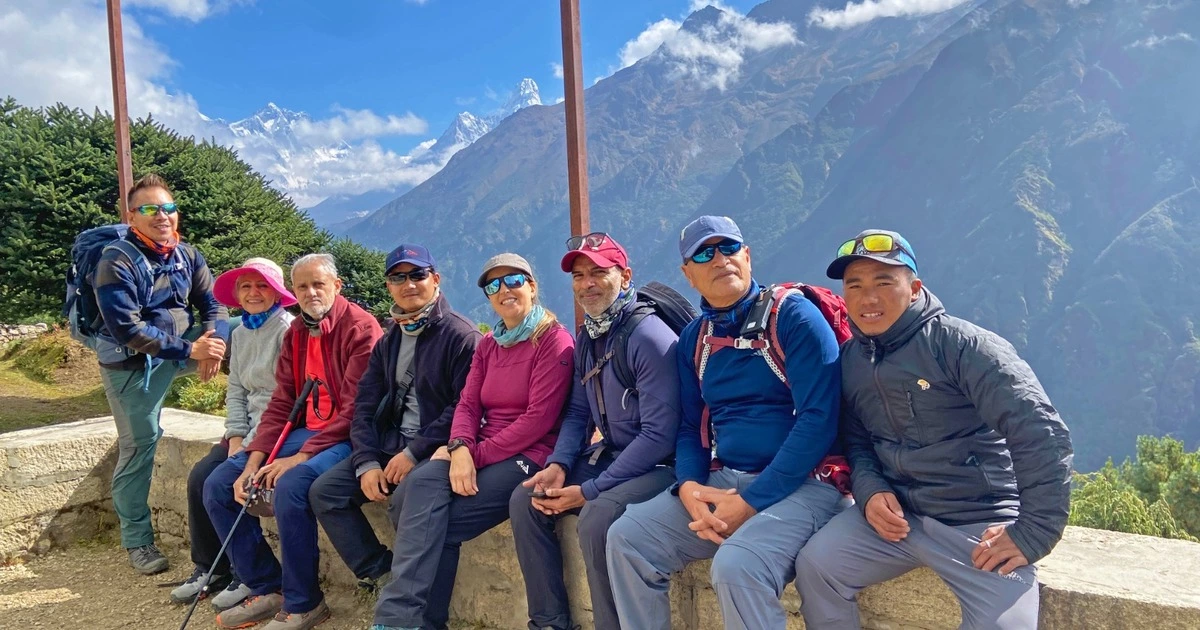
After a well-deserved rest at Namche, our journey continues following breakfast. Today, our destination is Phunki Thanga, which serves as a lunch stop in the standard itinerary. It is located along the bank of the DudhKoshi River.
The trail today is relatively flat. The initial part from Namche to Sanasa is a flat surface with a few sections of uphill terrain. Before reaching Sanasa, you’ll arrive at Kyangjuma, where a short tea break is possible. A few minutes from there, you’ll reach Sanasa, where the trail splits into two, one leading to Gokyo Lake and the other to Everest Base Camp. After Sanasa, the trail descends steeply until reaching Phunki Thanga, winding through lush forests. The hike today feels easy and comfortable.
Upon reaching Phunki Thanga, enjoy lunch and take some rest, as there are limited places to roam around. It’s a tranquil spot along the trek. Overnight stay in Phunki Thanga.
Trek Distance: Approximately 4 km (2.4 miles)
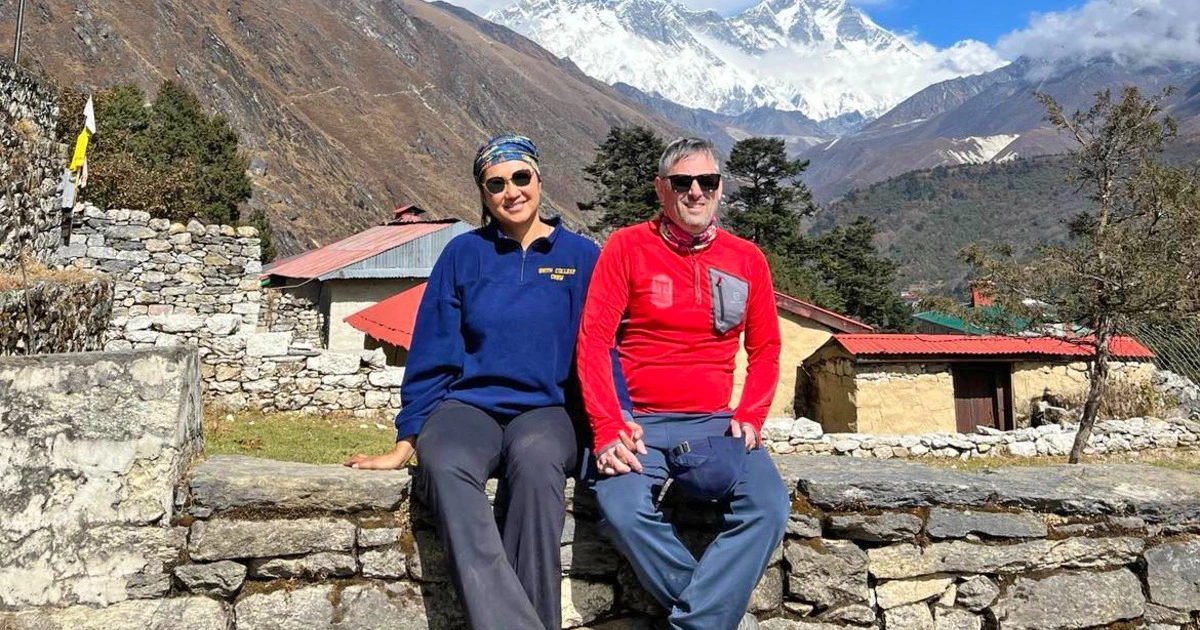
Today, our destination is the charming Sherpa village of Pangboche. The trek commences after breakfast, with a mandatory check-in at the Phunki Thanga checkpoint. This checkpoint marks a challenging section of the trek—a steep uphill climb to Tyanboche, lasting nearly 3 hours. The trail is a bit dusty and rugged, demanding careful navigation. Upon reaching Tyangboche, we take a short break to explore the Tyangboche Monastery, where an entrance fee of NRS 300 is required.
After exploring the monastery, the trek continues with a descent passing several stops, including Deboche and Millingo, until reaching the suspension bridge—the last suspension bridge on the trek. After crossing the bridge, we continue walking for an additional 30-45 minutes to reach our destination, Pangboche, for the overnight stay.
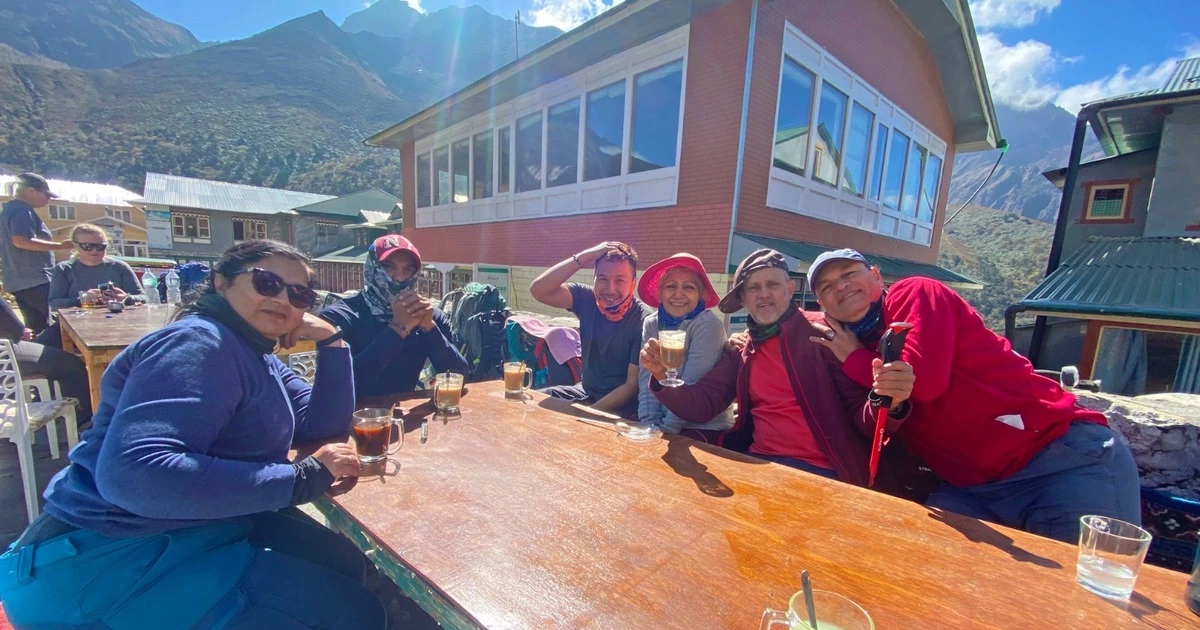
After breakfast, we embark on our trek as usual, heading toward Dingboche, one of the largest settlements in the Everest region. While Dingboche typically serves as a rest and acclimatization stop in the standard itinerary, we will only spend one night here, as we have designed the trek with sufficient overnight stops to avoid the need for an extra day.
Today’s walk involves a gradual uphill climb to Dingboche, starting from Pangboche. It’s important to note that beyond Pangboche, the treeline ends, and we enter the alpine region. As we ascend, it’s crucial to walk slowly and pay attention to our breathing. About an hour away, we reach Somare, where we may stop for a short tea break if needed. After Somare, there are no other stops for food, so it’s advisable to eat here if hungry.
Continuing past Somare, the trail remains gradually uphill, with inspiring mountain views motivating us to keep going. After an hour and a half of hiking, we cross a small steel bridge and push through the final uphill stretch to Dingboche. This last section takes another 1 and a half hours to climb, followed by an additional 30-45 minutes on a flat surface to reach Dingboche.
Upon reaching Dingboche, enjoy lunch, and afterward, take the opportunity to explore the village. You can visit the famous Cafe 4440 in Dingboche. Overnight stay in Dingboche.
Trek Distance: Approximately 4 km (2.4 miles)
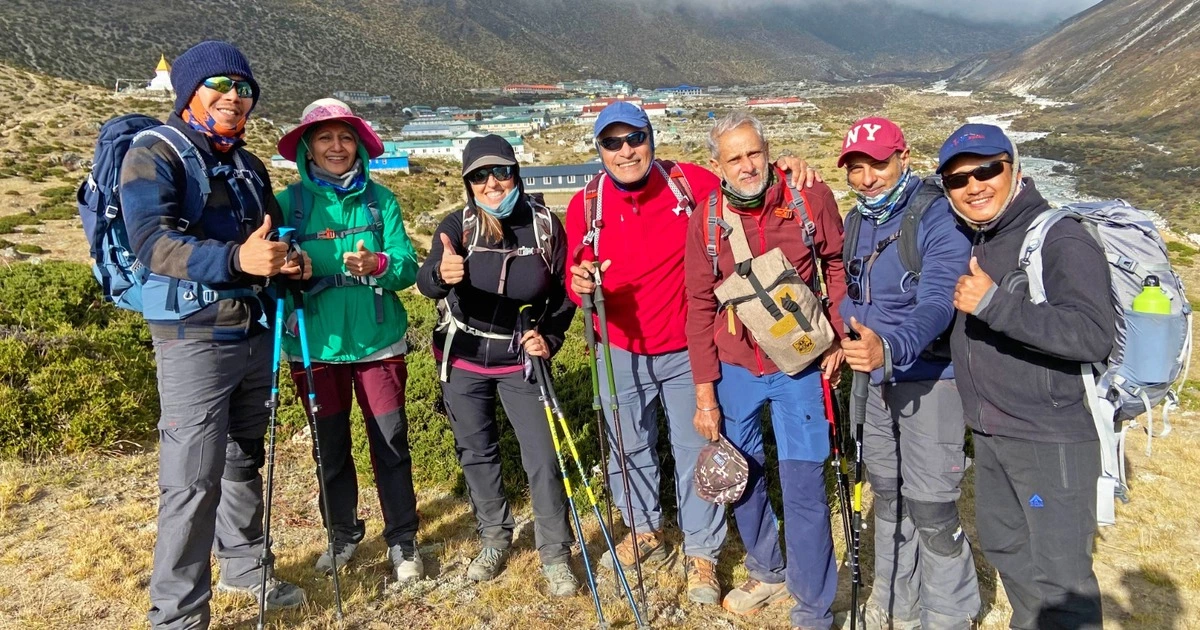
Trekking to EBC is always challenging due to its high altitude. Many trekkers suffer from altitude sickness in this region. It is not only due to the high elevation: weather conditions also play a major role in altitude sickness. Going slowly and taking acclimatization days at these places will be very helpful in adapting to the environment. Your body will adapt and you will be more likely to make it to Everest base camp.
Hiking to Nangkartshang Peak 5,121m/16,801.18 ft will be very helpful on this day. It is a steep uphill climb from Dingboche and takes 2 hours and 30 minutes. This peak offers beautiful Mount Makalu 8,463m views including Ama Dablam, Lhotse, Island Peak, Kangtega, Thamserku, Tawache, Cholatse, Nuptse, and many other high mountains.
You should then return to Dingboche before lunch and rest for the day. Going up and stopping at a lower elevation is perfect for acclimatization. Even if you are very careful you can experience altitude problems at this elevation. You must tell your guide if you have a problem. Usually, it will be fine after spending two nights here.
Trek Distance: Approximately 3 km (1.8 miles)
After enjoying our overnight stay at Dingboche, today we head towards Thukla. The trek begins after breakfast, and if you prefer to start a bit later, that can be accommodated as well. The journey to Thukla is a manageable 3-hour walk.
The trail today follows a gradual slope with a flat surface, providing an easy and enjoyable hiking experience. As you progress, the magnificent views of Taboche and Cholaste unfold on your left-hand side.
Before getting close to Thukla, you’ll need to cross a small bridge. This section can be a bit tricky, as it is an area affected by a landslide. After crossing the bridge, 10 minutes later, you will reach our destination, Thukla.
It’s important to note that Thukla serves as a lunch stop, so the accommodations and food options are basic and limited. Overnight stay in Thukla.
Trek Distance: Approximately 6 km (3.7 miles)
Today marks a significant day in the trek as we journey to the Everest Base Camp. We will rise early, beginning our trek in the morning. The journey to the Base Camp typically takes around 2 hours on average. We will proceed slowly and steadily. Upon reaching the Base Camp, we will spend approximately 10-15 minutes exploring the surroundings, taking photos, and then returning to our hotel.
Given the cold temperature, it’s crucial to wear all necessary clothing to stay warm. Packed breakfast will be consumed on the way or during the return journey.
Once back at the hotel, we will take a break, reflecting on the incredible trekking experience and the memories we’ve created. This is the final opportunity to bid farewell to Mount Everest. Additionally, you can express gratitude and provide tips to your team members, including the guide and porter, for their role in making your trip successful. It may also be the last time you see your guide and porter.
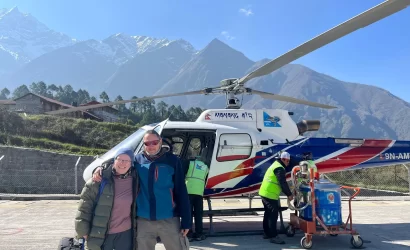
After all matters are settled, the helicopter will be ready to pick you up. Refer to the Helicopter Ride section for detailed information on the helicopter schedules. The helicopter ride back to Lukla offers a breathtaking experience, providing a bird’s-eye view of the entire Everest region. Upon reaching Lukla, you will once again fly back to Kathmandu, concluding the trip.
At Kathmandu airport, you will be received by one of our company representatives and transfer you to the hotel.
Trek Distance: 2 km (1.2 miles) from Gorakshep to EBC
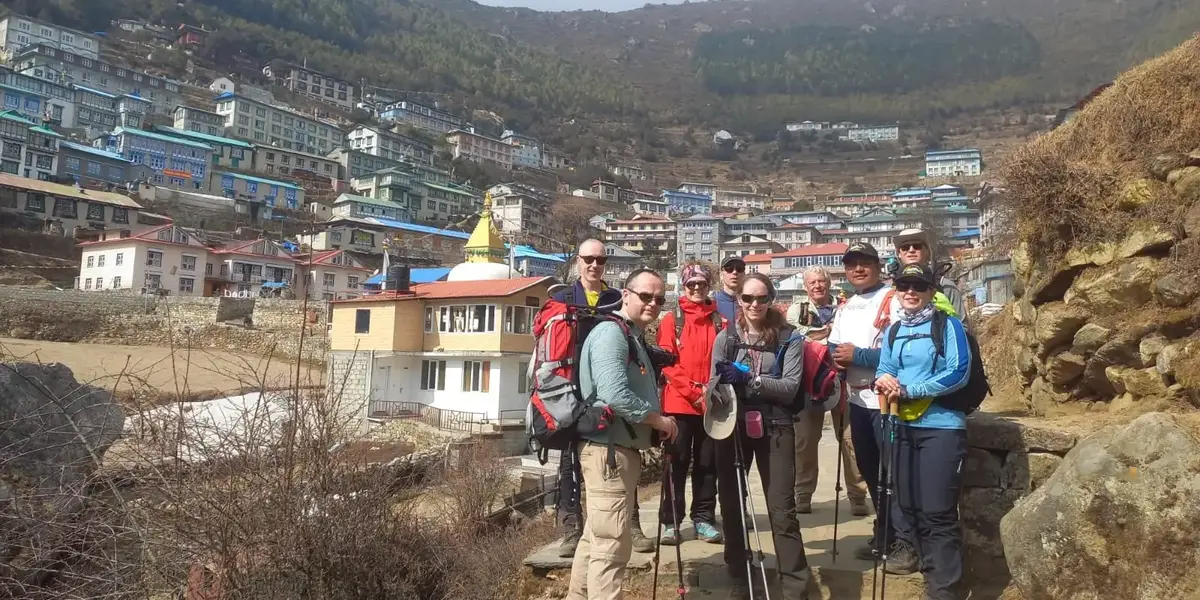
Today marks the highly anticipated culmination of your upward journey. From Lobuche, your family will embark on the trek to Gorakshep (5,180m / 16,995ft), which stands as the last inhabited settlement before Everest Base Camp.
This segment involves traversing challenging terrain characterized by “loose rock and Glacial moraine,” which can be particularly demanding. After a short break and lunch at Gorakshep, your family will begin the exhilarating hike to Everest Base Camp (EBC) (5,364m / 17,598ft).
At EBC, you will be surrounded by the towering ice walls of the Khumbu Glacier and the awe-inspiring Khumbu Icefall, a truly monumental sight. Reaching Everest Base Camp together is the psychological and physical climax of the trek, representing the culmination of weeks of preparation and days of strenuous trekking.
This shared achievement creates an unparalleled sense of accomplishment and a family bond forged amidst the grandeur of the Himalayas. After experiencing this profound moment, your family will return to Gorakshep for overnight accommodation.
The total day’s activity, including the hike to EBC and back, is approximately 7 hours. The return to Gorakshep to sleep, rather than staying at EBC, reinforces the “climb high, sleep low” strategy, which is critical for safety at such extreme altitudes, especially after a demanding day.
The day begins before dawn with a challenging but immensely rewarding hike to Kala Patthar (5,545m / 18,192ft). This early start is to witness a truly breathtaking sunrise over Mt. Everest, Lhotse, Nuptse, Pumori, and the vast Khumbu Glacier.
Kala Patthar is widely regarded as the finest viewpoint for panoramic vistas of Everest and its surrounding giants. After soaking in these unforgettable views, your family will descend back to Gorakshep for a well-deserved breakfast. Subsequently, the significant descent to Thukla (4,610m / 15,125ft) begins, retracing part of your ascent route.
This descent is crucial for recovery and further acclimatization for the family after the strenuous climbs to EBC and Kala Patthar. The total day’s activity, including the Kalapathar hike and the trek to Thukla, is approximately 7 hours. Overnight will be in a teahouse in Thukla.
Today involves a longer descent from Thukla towards the spiritual heart of the Khumbu region, Tengboche (3,860m / 12,664ft). The trail will lead your family through changing landscapes as you descend from the higher, more arid terrain back into areas with more vegetation.
You will pass through Dingboche (4,410m) and Pangboche (3,985m), a village notable for its ancient monastery. The trek will involve a descent to the Imja Khola river, followed by an uphill climb to reach Tengboche.
Tengboche is home to the largest and oldest Buddhist monastery in the Khumbu region, offering a chance for a peaceful visit and reflection. The total trek time for this day is approximately 7 hours, a substantial but manageable descent that allows your family to regain energy and enjoy the familiar comforts of lower altitudes. Overnight will be in a teahouse in Tengboche.
The journey continues with a further descent from Tengboche to the familiar and welcoming town of Namche Bazaar (3,440m / 11,286ft). The trail will involve a descent to the valley floor, crossing a river, and then a flatter section as you approach Namche.
This longer descent day is manageable due to the physiological benefits of dropping in altitude. For a family, returning to Namche Bazaar offers a significant psychological boost; it is a well-equipped hub providing a sense of nearing the end of the most challenging part of the trek, with access to better facilities such as hot showers and a wider variety of food options.
This return to relative comfort is vital for maintaining morale and energy levels for all family members. The total trek time for this day is approximately 5 hours. Overnight will be in a teahouse in Namche.
The journey continues with a further descent from Namche Bazaar, retracing the steps along the picturesque Dudh Kosi River. Your family will cross numerous suspension bridges once more, passing through the villages of Monjo and Jorsalle.
The trek to Phakding (2,610m / 8,563ft) is predominantly downhill, though some minor uphills will be encountered. The total trek time for the day is approximately 5 hours. The return journey offers a new perspective on previously traversed landscapes, allowing your family to reflect on their progress and gain a deeper appreciation of the changing scenery experienced during the ascent.
The familiarity of the trail also reduces mental strain, contributing to a more relaxed and enjoyable descent. Overnight will be in a teahouse in Phakding.
This marks the final trekking day, taking your family from Phakding back to Lukla (2,860m / 9,383ft). The segment involves a final uphill climb to reach the airstrip. This last physical push, following days of descent, offers a final test of resilience and a deeply satisfying conclusion to the trekking portion of your adventure.
The total trek time for this day is approximately 4 hours. Upon reaching Lukla, your family will have successfully completed the Everest Base Camp trek! This moment calls for celebration of your remarkable achievement with your family and the dedicated trekking crew.
The celebratory atmosphere in Lukla provides a much-needed emotional release and a wonderful opportunity to bond further with your guides and porters, reinforcing the human connections forged during the journey. Overnight will be in a teahouse in Lukla.
Your family will take an early morning flight from Lukla to Ramechhap (approximately 20 minutes) or directly to Kathmandu (approximately 35 minutes), depending on the prevailing flight schedules. From Ramechhap, a comfortable 5-6 hour private vehicle transfer will take you back to Kathmandu.
Upon arrival, your family will check into your hotel in Kathmandu. The transition back to Kathmandu after weeks spent in the mountains is a significant psychological shift. The comfort of a hotel with amenities like a well-deserved hot shower and a comfortable bed, coupled with access to varied food options , provides a crucial re-entry experience.
This allows your family to fully process their incredible adventure in comfort before returning to daily life, enhancing the overall positive memory of the trek by concluding it on a note of relaxation and well-being.
Enjoy a well-deserved free day in Kathmandu. This day offers your family the flexibility to relax, explore the city at your leisure, revisit favorite cultural sites, or indulge in souvenir shopping. Consider opting for a guided city tour to delve deeper into the rich cultural heritage of the Kathmandu Valley, visiting sites such as the sacred Pashupatinath Temple or the magnificent Boudhanath Stupa.
This free day after the trek is crucial for psychological decompression and physical recovery. It provides a space for reflection on the profound experiences of the journey, allowing family members to share their individual highlights and solidify collective memories. This period of relaxation and optional exploration ensures a smooth and enjoyable transition back to a more urban environment.
On your final day, a representative will facilitate your family’s transfer to Tribhuvan International Airport for your onward departure. This marks the end of your extraordinary 21-day Everest Base Camp family adventure, leaving you with a lifetime of cherished memories and a profound connection to the majestic Himalayas.
Essential Gears & Equipments for Everest Base Camp Trek
So, you are ready to pack you bag and trek to EBC? That’s exciting! I have covered all the essential packing check lists for Everest Base Camp trek.
P.S we provide a free 75-litre Duffle bag for you to use on the EBC trek. We also have custom-made Company Sleeping Bag, especially for the trek that you can rent only at USD 15 for each.
Now, let’s dive into what you’ll need to pack:
Clothing gear for the trek:
You’ll want to layer up to handle the changing weather.
- Down Jacket (1): Best quality Down Jacket for the cold temperature. (can be rented in Nepal)
- Trekking Boots (1 pair): Go for high-ankle ones to keep your ankles supported on those rugged trails.
- Long Sleeve T-shirts (1 thin, 1 thick): A must for those sunny days when the UV rays are high.
- Gore-Tex Waterproof Jacket (1): Always ready for the rainy weather!
- Windproof Jacket (1): It’s a lifesaver, always recommended.
- Hiking Socks (2-3 pairs): Comfort is key, so bring extras!
- Beanie (1): Keeps your head warm, especially at higher altitudes.
- UV Protected Sunglasses (1): Most important!
- Nylon Windproof Pants (2 pairs): These will help you stay dry and comfy.
- Water Bottles (1): Hydration is crucial!
- Gloves (1 pair): To keep your hands warm, plus a pair of hard-shell outer gloves for the colder moments.
- Neck Gaiter (1): This little gem can keep your neck warm and shield your face from wind.
- Undergarments: Pack as needed, and don’t forget those comfy PJs for cozy nights!
- Sports Bra: Ladies, go for it.
Trekking Items:
Now, let’s get to the essential gear:
- Duffle Bag: No need to worry about this; we provide it at no extra charge. You’ll use it to pack your trekking supplies.
- Daypack (40L minimum): Perfect for carrying your essentials during the trek.
- Water Bottles or Camelbak: Stay hydrated on the go.
- Sleeping Bags (1): A warm, comfy sleeping bag is a must. We have a four-season sleeping bag available for rent at USD 15 for the trek.
- Trekking Poles (1 pair): These are super helpful for navigating those steep climbs and descents.
- Quick-Dry Trekking Towels (2): Because who wants to carry a wet towel?
- Headlamps: To see in the dark.
Toiletries Items:
Don’t forget your toiletries! Here’s a quick checklist:
- Toilet paper
- Soap/Sanitizer
- Shampoo
- Diaper rash cream (you never know!)
- Toothbrush & toothpaste
- Lip balm
- Wet wipes
- Hairbrush
- Sunscreen
- Moisturizer
- Mosquito repellent cream
Ladies, pack only essential items/cosmetics for the trek. Do not pack heavy.
Foods and Snacks
Keeping your energy up is essential, so pack some snacks like chocolate bars and protein-packed goodies for the trek. A thermos for hot water and rehydration powder are also great additions to your kit.
Important Documents
You can’t forget these:
- Passport: You’ll need it for entry gate registration.
- Visa: Don’t leave home without it!
- Travel Insurance: Always a smart move.
Additional Supplies
Lastly, some extra supplies can make your trek even better:
- Portable Solar Charger/Power Bank: Keeping your devices charged is a lifesaver.
- Playing Cards or Games: Perfect for downtime at the tea houses.
- DSLR Camera: You’ll want to capture all those breathtaking views.
- Book: For those quiet moments under the stars.
Optional Gears:
Some gears that you may find useful.
- Whistle
- Pillowcase
- Med Kit (Our company Guide will also hold one kit)
- Gaiters
- Micro spikes
- Sleeping Bag Liner
- Hand/Feet Warmer
Remember, you can buy or rent any gear you might need in Thamel, Kathmandu, which is super convenient! If you’ve got any questions or need advice on what to bring, check out our detailed blog on buying and renting gear in Thamel.
And just a quick heads-up:
- When you’re packing, keep in mind that Lukla’s flight luggage limit is 15 kg max—10 kg in your duffel bag and 5 kg in your carry-on. Extra weight will cost USD 1-2 per kg.
- We assign one porter for every two trekkers. The duffle bag will be carried by the porter.
- You will be carrying your daypack bag which will contain the daily necessities for the trek.
How to Pack Smart
- Use packing cubes: Organize your gear into categories (clothing, electronics, toiletries) using packing cubes. This makes it easy to find what you need quickly.
- Roll, don’t fold: Rolling your clothes saves space and reduces wrinkles.
- Wear your bulkiest items: Travel in your hiking boots and wear your heaviest jacket to save space in your bag.
- Multi-use items: Choose items that serve multiple purposes. For example, a buff can be used as a neck warmer, headband, or face mask.
- Layer up: Pack clothes that can be layered for warmth rather than bringing lots of thick items.
- Limit cotton: Choose quick-dry, moisture-wicking fabrics over cotton, which takes longer to dry and retains odors.
- Pack for the worst weather: Be prepared for cold and wet conditions, even if the forecast looks good.
- Consider rentals: Some gear (like sleeping bags & Down jacket) can be rented in Kathmandu, saving you packing space.
- Leave room: Don’t pack your bag to the brim. Leave some space for souvenirs or gear you might need to add along the way.
- Test your pack: Before you leave, take a short hike with your fully packed bag to ensure it’s comfortable and not too heavy.
Remember, less is more when trekking. Every gram count when you’re carrying your gear at high altitude!
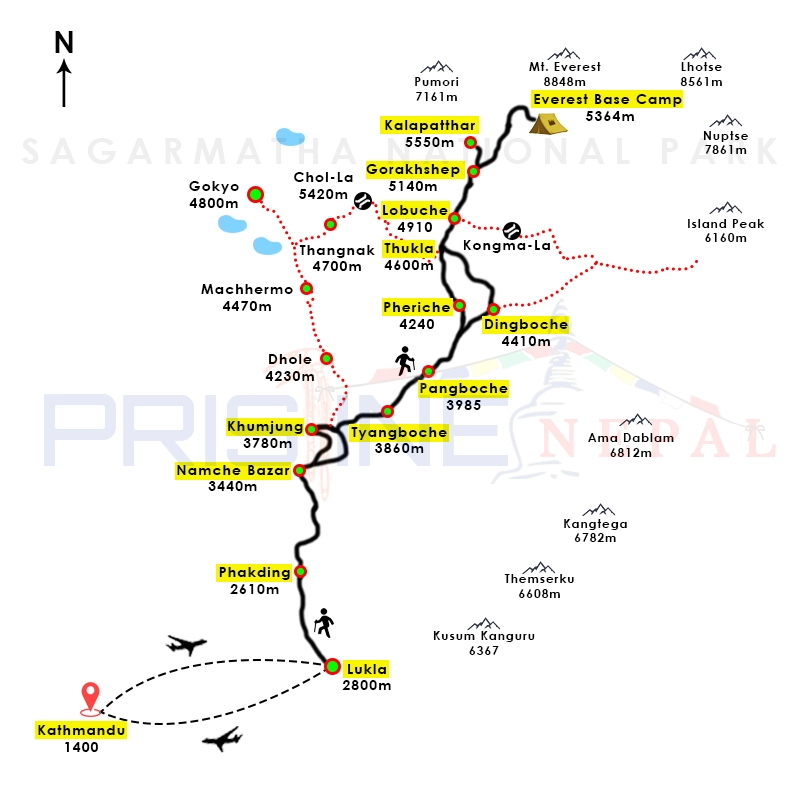
EBC Trekking Route Map

Things to Know More
What do you want to know?
- Preparation & Fitness for EBC:
- Best Time for EBC:
- Food and Accommodation on EBC Pacakge
- Transportation in EBC Package
- Trekking Permits Provided
- Travel/Trekking Insurance
- How to get your Nepali Visa
- While you are in Kathmandu
- Typical Day in Trek
Preparation & Fitness for EBC
Fantastic! So, you are prepared to do some training that will increase your endurance, strength, and mentality for the Everest Base Camp Trek. Trust me, this won’t be an easy task nor hard but with enough time, you will be prepared.
First, the reason that makes the trek difficult is high altitude, cold temperature, unpredictable weather, rugged terrain, distance, and accommodation.
If we tackle this difficulty then we are ready for the trek. Hence, starting with the first difficulty of EBC which is:
Tackling the High Altitude of EBC by Endurance Training:
When I first went to Everest Base Camp, I realized the trek wasn’t about speed- it’s about stamina. That’s where endurance training comes in.
Why stamina? Because 5 to 6 hours of walking is not an easy task while gaining altitude. It is best to take time, walk slowly, and have patience.
To increase the endurance, start small, adding longer walks first & then increase the distance & altitude. Slowly, throw some trail running, and day hikes in weekends,s and get to know your gear and equipment.
The earlier you start your endurance training, the better you will be at maintaining your stamina for longer walks.
The pro tips?
Choose the tough uphills and carry your backpack with a weight limit of 5 kg minimum.
Strength Training to Tackle Those Rugged Terrain:
Ascending and descending those hills means serious leg pressure; you’re going to need some serious strength. I’m talking about strength workouts that focus on your legs and core. Get the power in your legs!
At first, start doing some squats and lunges with the endurance training. If you start to feel easy, grab a weight to mimic what you’ll be carrying on the trek.
Hike, Hike Hike.
Hiking is the best way to increase your leg and core strength too.
Just don’t forget you warm up and do not overdo it. Slowly increase the difficulty level and you will be set for the rugged terrains.
Pro Tip: Try to use trekking poles while endurance training & strength training.
Hit the Gym and Get Moving:
Now, don’t think you will need to spend hours at the gym. It is only a few solid sessions to sharpen your body’s strength, stamina, and mentality.
Are you familiar with stair climbers? It’s a brilliant exercise to mimic the movement you’ll be doing on the trek. You can use your house stairs too.
Similarly, throw some strength endurance training which your trainer knows what it is about. If you want to do it yourself then start with a simple workout with aerobic exercise.
Besides gym equipment, throw some cycling and swimming activities in your training program.
Now, you have endurance training, strength training, and some gym activities going.
Boost your immunity against cold temperatures:
Sounds weird right? However, the best way to tackle the cold temperature of Everest Base Camp is not only by wearing thick layers of clothes. It also boosts your immunity by starting to adopt a holistic approach that incorporates lifestyle changes, dietary adjustments, and proper self-care practices.
Starting with managing your stress which is a Lifestyle Change:
Manage stress:
You know what! Chronic stress can weaken your immune system. To tackle the stress, do some yoga, meditation, or engage in hobbies.
Prioritize Sleep:
Quality sleep includes 7-9 hours of sleep each night, even at Everest Base Camp Trek. Sleep is crucial for immune function as it allows your body to produce cytokines, that help fight infections.
Staying Hydrated:
Hydration supports the function of immune cells and helps flush out toxins. Drink plenty of water and consider herbal teas for added benefits, mostly at trekking.
Finally, wear warm clothes during trekking. Cover your mouth, ears and nose to prevent inhaling cold dry air.
Focus on a balanced diet that includes fruits, vegetables, whole grains, lean proteins, and healthy fats. Prioritize Vitamin A, Vitamin C, Vitamin D and Zinc which are the key nutrients for immune.
Now, preparation is complete for your trek, but what about the weather?
Best Seasons that Trekkers Choose for EBC:
If you ask seasoned trekkers, Autumn is probably at the top of their list. But Autumn is not only the season that is the “best time to do EBC”.
The truth is, it depends on what kind of experience you are after. There’s no one-size-fits-all, but let me walk you through the seasons and share a few tips that might help you make your decision.
Autumn: The Classic Trekking Season:
From September to November, it is all Autumn season, the skies are clear, the days are dry, and the temperatures are just right – not too hot, not too cold. Honestly, the views are unbeatable during this time.
So, if the Autumn season is that good, what’s the downside?
The downside? It’s crowded. Autumn is the go-to season for most trekkers, so you won’t be alone on the route. But if you don’t mind a bit of company, it’s worth it.
Plus, the biggest festivals, Dashain and Tihar also fall in the Autumn season which can add a special cultural touch to your trip.
Spring: Blooms, Sunshine, and Clear Views:
If you prefer warmer weather, Spring (from March to May) is another go-to season among trekkers. The days are longer, giving you more time to explore, rest, and enjoy.
Surprisingly, the trail is lined with blooming Rhododendron forests which is the national flower of Nepal. Trust me, it’s like the path is welcoming you.
During springtime, every morning will have a clear crystal view, and you will see mountains stretching out for miles.
For all nature lovers, trekking EBC during Spring is a dream come true. But there’s a catch: nights can still be chilly, unpredictable rainfall, so pack accordingly. And yes, the route will be busy, so if you don’t mind the little crowd, it’s the best season.
Monsoon Season: Only for a few Adventurous Trekkers:
Now, if you’re not for the crowd, and don’t mind a little challenge, the Monsoon season (from June to August) might be just for you.
The route gets quieter for sure, but you’ll need to be ready for heavy rainfall in lower regions & some fog in higher regions.
However, the perk during Monsoon season is the jaw-dropping dramatic views on a clear day. A lot of trekkers have captured some amazing photos during this season. Similarly, you have to be flexible with your dates in this season.
Be ready for unpredictable weather and flight delays or cancellations. But if you’re up for the challenge, the reward is a peaceful, serene trek without the usual crowds.
Winter: Snow, Peaceful, and Stunning
For those who don’t mind the cold, Winter (from December to February) offers a totally different experience. Sure, it’s cold—especially at night—but the trails are empty, and the views? Absolutely stunning. You’ll get the place almost to yourself, and if you’re lucky, you might even spot some rare wildlife.
A friend of mine did the EBC trek in Winter, and while she had to bundle up at night, she said it was one of the most peaceful experiences she’s ever had. But be prepared for fast-blowing winds and shorter days. Also, flight delays to Lukla are common due to fog, so you might need a bit of flexibility with your dates.
Which season is right for you to do EBC trek?
In the end, it’s all about what kind of experience you want. Love clear skies and don’t mind some company? Go in Autumn or Spring. Prefer a quieter, more adventurous trek? Consider the Monsoon or Winter months. And if you’re still unsure, have a look at our detailed Best time for EBC trek.
Food and Accommodation on the Everest Trek Package:
So, you are concerned about food and accommodation! That’s good to know because that’s what I do before planning.
The good news is the accommodation in the Everest region ranges from teahouses to luxurious hotels, catering to different budgets and preferences.
The bad news is that the higher you go, the simpler things get and the accommodation is limited.
So, where you will stay?
From our EBC package, a total of 13 Nights is arranged on a twin-sharing basis, which includes:
- Kathmandu: Two nights at a star-category hotel (before and after the trek), such as Hotel Thamel Park or Hotel Jampa, with breakfast included.
- During the Trek: Five nights in private attached rooms at Namche Bazaar (3 nights), Lukla, and Phakding (1 night each), where you’ll have access to hot showers. The remaining six nights will be spent in more basic rooms at places like Tyangboche, Dingboche, Lobuche, Gorakshep, and Pheriche.
While these spots might not offer luxury, they have the essentials which is enough for every trekker. You’ll find charging points, hot showers, and even internet services, but be ready to pay extra for these comforts.
Tea House, Tea House, Tea House:
After Namche Bazar, the amenities get simpler. The higher you go, the more limited the options become. Mos of the tea houses only have basic rooms with solar-powered electricity, and during peak season, it is tough to find room.
How do we manage rooms?
When you book with us, we book the room ahead of time which makes it easy for everyone.
What’s on the Menu?
Three meals a day is provided during trek, including breakfast, lunch, and dinner. The food choices can be Continental, Nepali, Indian, Italian, & Chinese cuisines.
Expect to see Dal Bhat (a staple dish of rice, lentil soup, and vegetable curry) during trek which is enough to fuel you up. Our guides and porters usually enjoy these meals during trek.
But here’s something important to keep in mind—once you pass Namche Bazaar, meat dishes are a no-go. Actually, we recommend no meat in the whole trek. Since there are no refrigerators at higher altitudes, meats are carried for days without proper refrigeration.
For safety, it’s better to stick with vegetarian options. Vegan and vegetarian meals are widely available, so no worries if that’s your preference.
Breakfast, Lunch, and Dinner Tips:
Breakfast at the teahouses usually includes simple but hearty dishes like eggs, porridge, toast, or Tibetan-style bread. For drinks, you can choose from tea, ginger tea, coffee, and even hot chocolate. Lunch and dinner will often be similar, with choices ranging from fried rice to spaghetti or Nepali-style dal bhat.
Because you’ll be burning a lot of energy on the trail, I always recommend loading up on carbohydrates during lunch. There aren’t many snack options along the way, so fuel up before those long stretches.
During Dinner, you can take it easy. After dinner, we serve seasonal fruits and give a short briefing as well as take your order for the next morning’s breakfast.
Prices Go Up as You Go Up
One thing to remember is that the higher you trek, the higher the prices. Since all supplies are transported by helicopters, yaks, or porters, the cost of food and essentials like water rises. It’s the price of trekking in one of the most remote and beautiful places on earth.
Safety & Special Requests
If you’ve got food allergies, don’t worry. Just let your guide know, and the chefs will take care of your meal preparation accordingly. We take food safety seriously, especially at high altitudes where staying healthy is a top priority.
Transportation for Everest Base Camp Trek
Normally, we use private cars for airport pick-ups and drops. It is only 7 km from Tribhuwan International Airport to Thamel. We have two different airports for Lukla’s flights one in Kathmandu and the other at Ramechhap.
All Lukla flights operate from Manthali Airport, Ramechhap from April to May, October to November, and Kathmandu Airport from June to September and December to March.
Ramechhap is 130km from Kathmandu. So private vehicles on the ground and domestic airlines for Lukla are used.
Heli as Alternative Transportation:
Sometimes, they cannot fly in or out of Lukla due to the bad weather. So, the helicopter can be the only option during bad weather. But it is very expensive. It costs $250 to 500 for sharing a helicopter for one way. Additionally, sharing a helicopter is not possible always.
What is the luggage weight limit?
At the airport, your luggage will be weighed before boarding the plane. The weight limit is up to 10kg luggage and 5kg hand-carry. Exceeding more than this weight will incur additional fees, which you are responsible for paying.
Porters (Technical Assistant) for Everest Base Camp Trek:
Pristine Nepal Treks strongly believes and values in responsible tourism. Hence, we use all the Porter from Lukla. Most porters are from mountain regions. They are strong, honest, and experienced in this trek. We have been using those porters who did not have the opportunity to go to school and facing financial difficulties and need a job.
Trekking Permits Provided by Pristine Nepal:
To set off on this epic Everest Base Camp journey, there’s a list of permits that you will need. But wait! You don’t have to manage these permits as we will be managing the permits.
This permit section is just to remind you how the EBC trek works and the rules that you need to follow when entering the Everest zone.
Mandatory Permits for EBC Trek:
- Sagarmatha National Park Permit
- Local Rural Municipality Entrance Permit
The first permit lets you enter the Sagarmatha National Park area and the second one is to support the local communities.
How to Manually Get EBC Permits?
If you are thinking about how your guide is getting your permit, then it is from Lukla. Just a simple form, and passport details, and within a minute, you will have your permits in your hand.
However, if you are like me and prefer to have everything sorted in advance, the Sagarmatha National Park permit can be received in Kathmandu. Just swing by the Department of National Parks and Wildlife Conservation office.
The Cost of Permits?
- Sagarmatha National Park Permit: USD 22
- Rural Municipality Entrance Permit: USD 22
These prices were recently updated, so you’re looking at around $40-$45 total for both permits.
Travel/Trekking Insurance:
For the Everest Base Camp trek, having travel insurance is essential. We strongly recommend obtaining insurance coverage before arriving in Nepal. Your insurance should cover altitudes of up to at least 6,000 meters (19,685 feet), which includes the Everest Base Camp trek.
This coverage should address potential health issues at high elevations, emergency helicopter evacuation, medical expenses, lost or stolen luggage, and trip cancellations related to altitude concerns.
How to Get Your Nepali Visa:
Getting a visa on arrival in Nepal is pretty straightforward, but it’s always good to know the process before you land. Whether you’re arriving at Tribhuvan International Airport or crossing via a land border, you can easily obtain a tourist visa upon arrival. I’ll walk you through it, step by step, so you know what to expect.
The Basics of the On-Arrival Visa:
When you arrive, you’ll need to head over to the Department of Immigration at the airport. Depending on the season, you might encounter queues, especially during peak tourist periods.
If you’re in a hurry, you could skip the lines by getting your visa from a Nepalese Diplomatic Mission in your home country before you arrive. But if you’re like me and prefer sorting things out on the spot, here’s how it works.
Step-by-Step Guide to Getting Your On-Arrival Visa:
Step 1: Fill in Your Arrival Card and Visa Form:
Once you get to the airport, you’ll need to fill out an Arrival Card. You can also complete the Tourist Visa form online in advance through the official Department of Immigration website.
If you prefer, you can do this at the airport using the Kiosk machines. Either way, make sure to print your submission receipt with the barcode on it—this is only valid for 15 days.
Step 2: Pay for Your Visa (Price can Change):
Next, you’ll need to make the visa payment at the airport bank. The cost depends on how long you plan to stay:
- 15 days: $30 USD
- 30 days: $50 USD
- 90 days: $125 USD
Once you’ve paid, they’ll give you a payment receipt, which you’ll need to keep for the next step.
Step 3: Immigration Desk:
Now that you’ve got your form and payment receipt, head over to the Immigration Desk. Hand over your documents—the filled-out Arrival Card, your visa form, the payment receipt, and your passport. The immigration officer will process everything and, if all is in order, you’ll receive your visa.
A Few Quick Tips
- If you’re traveling during the busy trekking seasons, like spring or autumn, expect longer queues. It’s always good to allow extra time just in case.
- Make sure to have some cash in USD (or an accepted currency) to cover the visa fee.
- If you’ve completed the online form in advance, it’ll save you a bit of time at the airport, but either way, the process is pretty smooth.
And that’s it! You’ll have your visa, and you’ll be all set to explore the stunning landscapes of Nepal. Enjoy your adventure!
While you are in Kathmandu
Landing in Kathmandu is where the real adventure starts, and we’ve got everything lined up to make your arrival as smooth as possible. Let me walk you through what happens once you step off the plane.
Airport Pickup: Warm Welcomes All-Around:
As soon as you land, one of our team will be there to greet you at the airport. You’ll spot them easily—they’ll either be holding a company nameplate or a board with your name on it. You’ll be welcomed with a traditional garland as a nice little touch to kick off your trip. From there, you’ll be driven in a private vehicle straight to your hotel, with no hassle.
Accommodation in Kathmandu: Your Home Away from Home
You’ll spend two nights at a star-category hotel in Kathmandu—one night when you arrive and the other after you return from Lukla. We usually book places like Hotel Thamel Park, Hotel Jampa, or similar options, so you’ll be comfortable.
Your stay includes bed and breakfast (so you’ll need to sort your own lunch and dinner). It’s based on twin sharing, but if you’d prefer a different hotel, you’re welcome to book your own. Just keep in mind that any extra nights beyond what’s included in the package will be on you.
Briefing and Meeting Your Guide: Time to Get Prepped
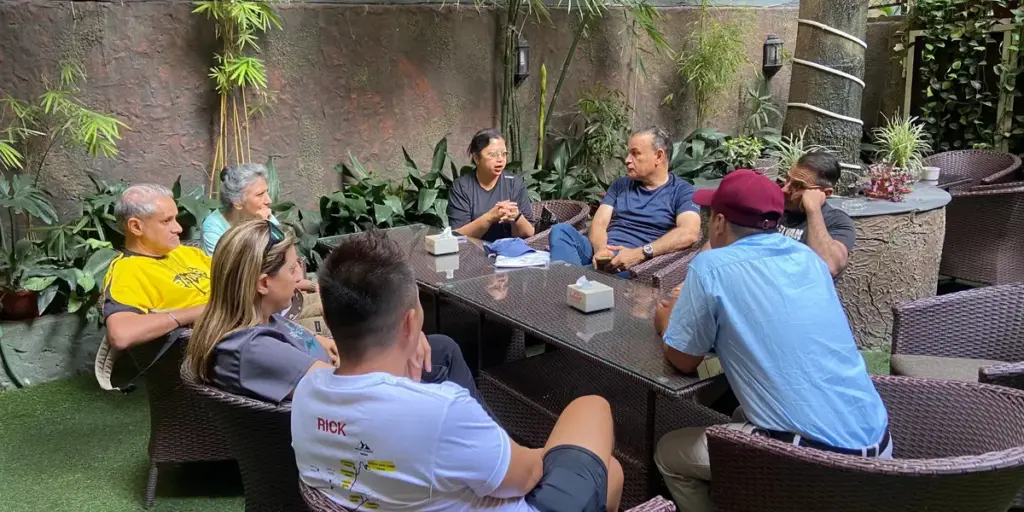
Once you’ve settled in, you’ll meet Mr. Chin Thapa, our company owner. He’ll sit down with you at the hotel and give you a full trek briefing—all the need-to-know info about your adventure ahead. You’ll also get to meet your trekking guide, who’ll be with you for the whole journey. It’s a good chance to ask any last-minute questions or sort out any concerns you might have.
During this meeting, you’ll also need to settle the remaining balance for your trek. We encourage you to pay in cash to avoid the 3.5% extra charge for online payments. But if you prefer, you can pay by credit card, just with that added fee.
Trek Preparations: Making Sure You’re Ready to Roll
After the briefing, we’ll go through your packing list to make sure you’ve got everything you need. If there’s anything missing, we’ll pop over to the nearest trekking shop to pick up the essentials. We can also help with renting a down jacket for the trip, which costs around USD 15 for the whole trek.
Extra Expenses for the EBC Trek: What to Budget For
We’ll also swing by a money exchange counter so you can get some local currency. We suggest exchanging around USD 300-500 for things like laundry, Wi-Fi, charging, snacks, and drinks along the way. These little extras can add up, so it’s good to be prepared.
Before you head to bed, Mr. Chin will give you all the details about your Lukla flight schedule for the next morning so you know exactly what’s happening.
Storing Luggage in Kathmandu: Keep It Safe
If you’ve got luggage or stuff you don’t need for the trek, you can leave it safely at your Kathmandu hotel. They’ll store it for free while you’re trekking, and you can grab it when you return—nice and easy, with no extra charge.
That’s the lowdown on your time in Kathmandu! It’s all part of making sure your journey to Everest Base Camp gets off to the best possible start.
Typical Day on the Trek
Morning: Start with breakfast around 6:30-7:00 AM, pre-ordered the night before. Pack your duffel bag before breakfast for the porter to pick up. You only need to carry your daypack with essential items.
Trekking: After breakfast, begin your trek, enjoying the breathtaking scenery and exploring local villages along the way.
Lunch: Stop for lunch at a designated spot to refuel before continuing the trek to your overnight stop.
Arrival: Upon reaching the teahouse, enjoy hot tea and relax. Your guide will take orders for dinner.
Evening: Dinner is served around 6-7 PM, followed by fresh fruits. Your guide will brief you on the plan for the next day and take breakfast orders. Engage in conversations with fellow trekkers or your guide, play cards, or enjoy personal time before going to bed.
Why Choose Pristine Nepal Treks for your Everest Base Camp Trek?
Pristine Nepal Trek stands out for its excellence in trekking services, making it the perfect choice for adventurers seeking quality, warmth, and reliability.
Legally Registered: Fully compliant with government regulations, ensuring reliable and trustworthy services.
Top-Notch Services: Meticulous attention to detail in every aspect, from accommodation to transportation.
Transparent Pricing: No hidden charges, allowing for confident planning without unexpected costs.
Customer Satisfaction: High satisfaction rate with many repeat clients, a testament to our quality services.
Experienced Team: Comprising dedicated professionals passionate about providing safe and memorable trekking experiences.
24/7 Support: Always available to address queries, and concerns, or share moments throughout your journey.
Personalized Experience: Customized treks based on your preferences, ensuring a unique adventure aligned with your dreams.
Traveler Recognition: Endorsed by TripAdvisor’s Travelers’ Choice award, recognizing our commitment to excellence.
Sustainable Tourism: Focused on eco-friendly initiatives, respecting local cultures, and minimizing environmental impact.
Family Atmosphere: More than just a trekking company, we provide a warm and welcoming environment, treating every traveler as a cherished member of our extended family.
Join Pristine Nepal Treks and embark on an unforgettable adventure at Everest Base Camp!