


So, you want to see the “Real Nepal”? Honestly, if you’ve spent any time researching the Himalayas, you’ve probably seen the crowded “mountain highways” of Everest and the road-heavy sections of the Annapurna Circuit.
But if you are looking for a journey that feels like a step back in time-where the culture is untouched, the trails are rugged, and the mountains feel like personal guardians, then the Manaslu Circuit Trek is your definitive answer.

Actually, Manaslu has officially taken the crown as the new “King of Circuit Treks.” Since 1991, when this restricted region first opened to the world, it has preserved a level of purity that is increasingly rare. Welcome to our 2026/2027 Master Guide. We have consolidated our decades of local experience, merged our insights on Manaslu Vs EBC, and analyzed current 2026 costs into this one “Power Page.”
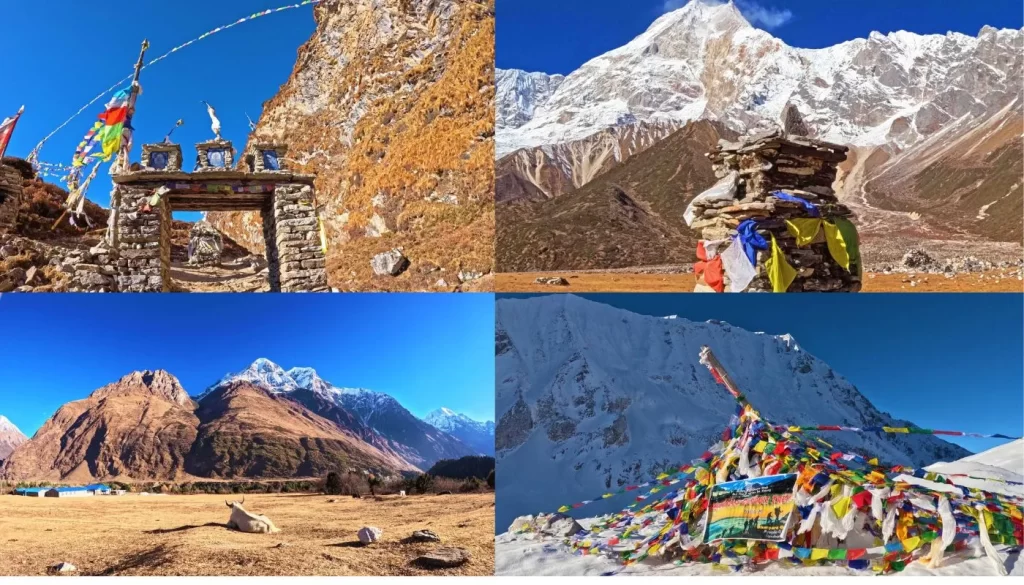
Consequently, you don’t need to look anywhere else. First, we will define the “Restricted” reality of this region. Furthermore, we will walk you through a master 15 day itinerary that respects your safety.
Finally, we will provide the “7 Tips for conquering the Larkya La Pass“. Therefore, by the end of this guide, you will transition from a curious traveler to a prepared adventurer ready to tackle the 8th highest mountain in the world.
Introduction: The “Real Nepal” Revolution
Let’s be totally real for a second: the soul of trekking in Nepal is changing. Remarkably, while the Standard Everest Base Camp Expereince offers prestige it also offers crowds.
In short, if you want to find yourself in the middle of a “yak traffic jam,” go to Everest. But if you want to find yourself in the presence of ancient monasteries and silent glaciers, you come to Manaslu.
Why Manaslu is the New King?
Basically, the Manaslu Circuit is the ultimate “Best of Both Worlds” adventure. It offers the lush, subtropical jungles of the Budi Gandaki gorge and the stark, high-alpine desert of the Nubri highlands.
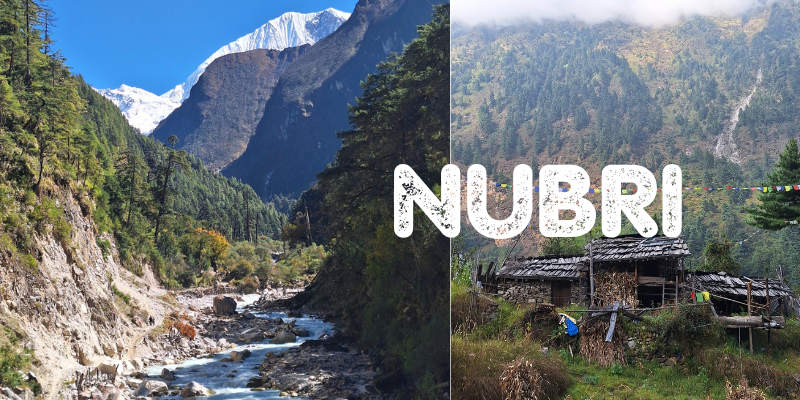
Crucially, because the region is a “Restricted Area,” the flow of tourists is controlled. Consequently, the teahouse hospitality remains authentic, the forests are pristine, and the sense of isolation is genuine. This isn’t just a walk; it is a transformation.
Manaslu at a Glance: “The Restricted” Reality

Before you pack your bags, you need to understand the “Law of the Manaslu.” Actually, the Nepal government maintains strict regulations here to protect the local Tibetan-influenced culture.
| Quick Facts: | The 2026 Snapshot |
| Max Altitude: | 5,106m (Larkya La Pass) |
| Trekking Difficulty: | Challenging Level Trek |
| Total Distance: | 177 km (109 miles) from Kathmandu |
| Best Time: | Spring (Mar-May) & Autumn (Sep-Nov) |
| Permits Required: | MCAP, ACAP, TIMS, Special RAP |
The “Buddy System” Rule
Honestly, this is the most important logistical detail: Solo trekking in Manaslu is impossible. By law, there must be a minimum of two trekkers in a group, and you must be accompanied by a licensed local guide. Remarkably, while this may seem like a hurdle, it is actually your greatest safety net.
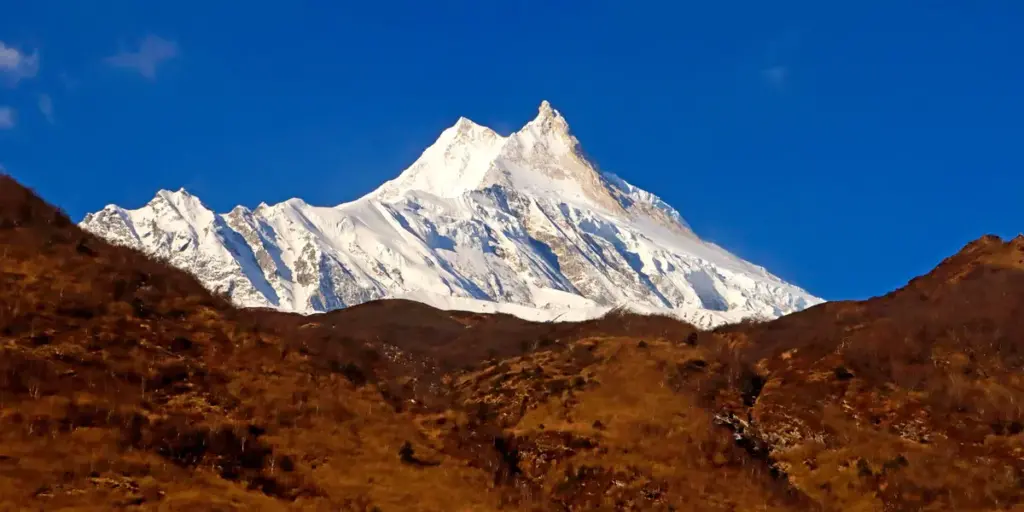
These Restricted Area Permit Regulations ensure that the region stays safe, pollution-free, and culturally respected.
Ultimately, you are choosing a path that values quality over quantity. Therefore, when you stand at the base of Mount Manaslu, you aren’t just another tourist; you are a privileged guest in a sacred land.
The Great Debate: Manaslu Circuit vs. Everest Base Camp
It is the question that keeps every adventurer up at night: “Is Manaslu harder than Everest?” or “Should I stick to the classics?” Honestly, while the 15 Days Everest Base Camp Trek is legendary, Manaslu offers a completely different psychological and physical reward.
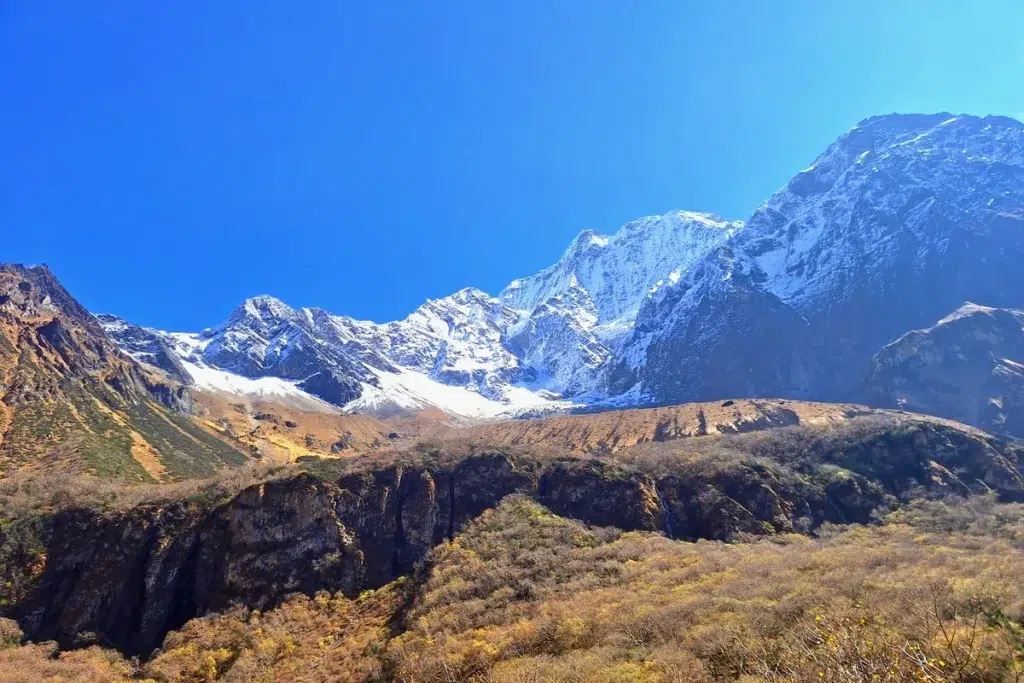
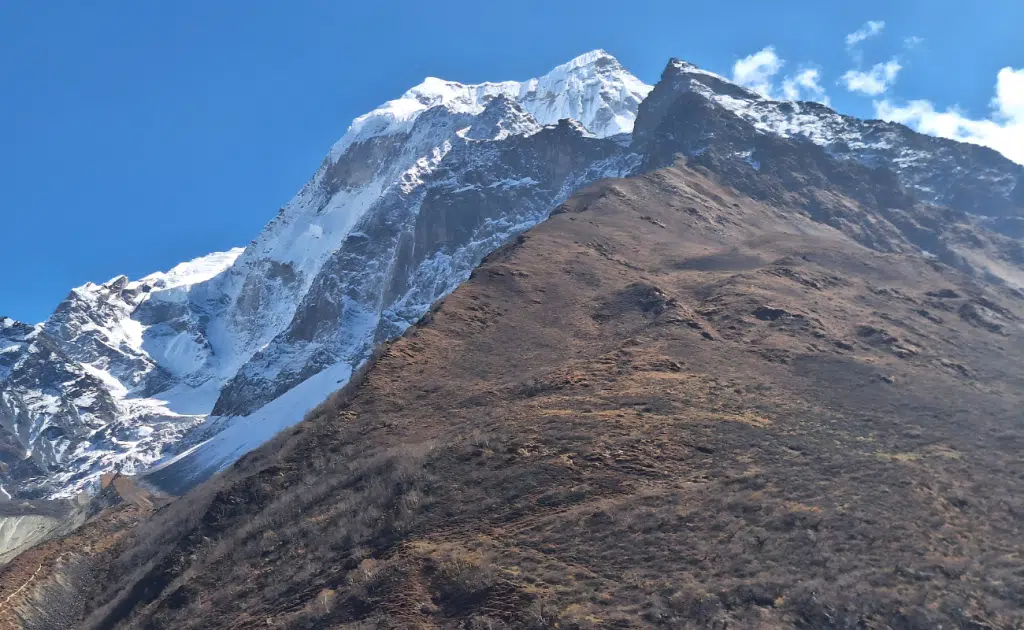
Scenery: Valleys & Rivers vs. High Glaciers
Basically, Everest is about “High Alpine” drama. You are surrounded by giants like Lhotse and Nuptse from Day 4. However, Manaslu is about the transition. You start in the lush Budi Gandaki gorge, crossing suspension bridges over roaring white-water rivers.
Remarkably, you experience everything from subtropical heat to arctic cold. In short, if you want diverse landscapes, Manaslu wins.
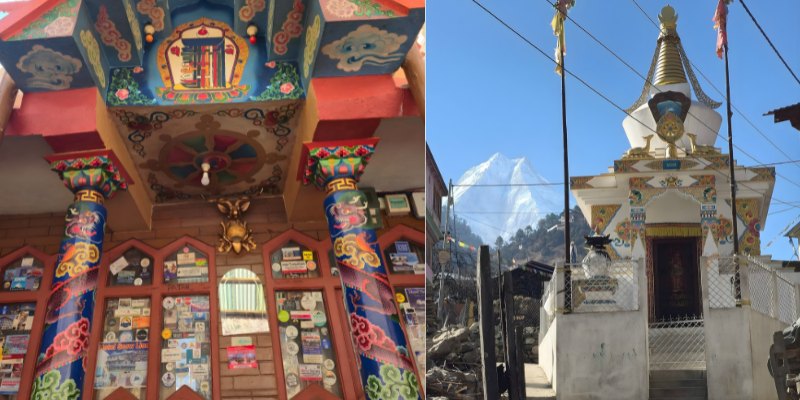
Culture: Authentic Buddhism vs. Modernity:
Actually, because Everest is so popular, much of the Sherpa culture has been commercialized for tourists. Conversely, in the Nubri and Tsum valleys of Manaslu, the Tibetan-Buddhism is raw and living. You will see monks in ancient monasteries who rarely see outsiders. Ultimately, Manaslu feels like a spiritual journey, while Everest feels like a sporting achievement.
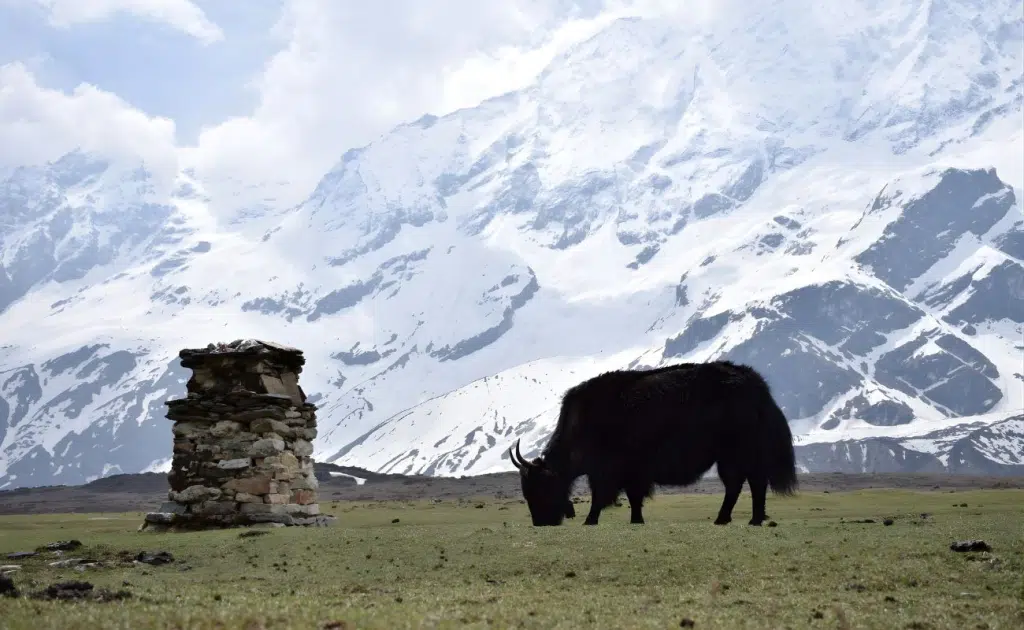
The “Crowd” Factor
In short, if you hate the “mountain highway” feel, Manaslu is your sanctuary. Consequently, you don’t have to fight for a bed in a teahouse or wait in line to cross a bridge. You have the silence of the Himalayas all to yourself.
The Master 15-Day Itinerary: A Journey Through Time
Planning a 177km loop requires precision. Crucially, we have designed this 15-day circuit to ensure you don’t just “finish” the trek, but that you conquer the Larkya La Pass (5,106m) with strength and safety.
Phase 1: The Budi Gandaki Approach (Days 01 – 05)
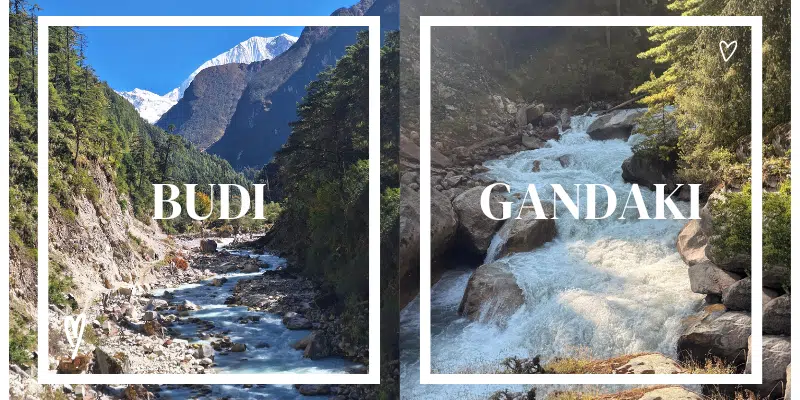
Your journey starts with the transition from the city to the wild.
- Day 01-02: Arrival in Kathmandu and permit preparation. Basically, we handle the red tape while you explore Thamel.
- Day 03: Drive to Macha Khola (930m). Honestly, the 7-hour drive is an adventure in itself.
- Day 04-05: Entering the Restricted Zone. As you trek to Jagat and Deng, you will start to see the mani walls and prayer flags that signal the start of the Buddhist heartland.
Phase 2: The Nubri Highlands (Days 06 – 10)
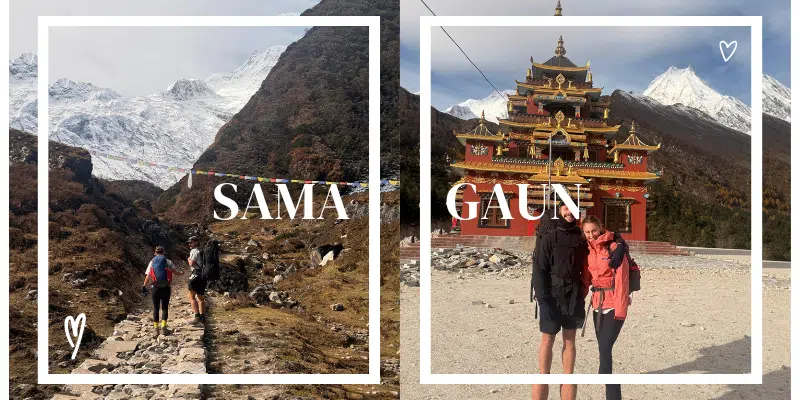
This is where the oxygen starts to thin and the views start to explode.
- Day 06-07: Trekking to Namrung and Syala. Remarkably, Syala offers a 360-degree view of Mount Manaslu that will leave you speechless.
- Day 08-09: Acclimatization at Sama Gaon (3,530m). Crucially, we do not move today. We use this “Base Camp” for a mandatory rest day. We suggest a hike to Pungyen Gumba or Birendra Lake. Therefore, your body can produce the red blood cells needed for the pass.
- Day 10: Moving to Samdo (3,860m). The last village before the wilderness.
Phase 3: Crossing the Divide (Days 11 – 15)
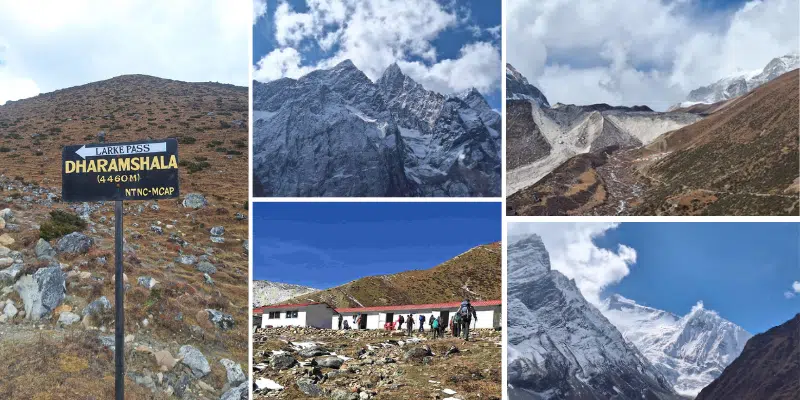
The climax of your 177km odyssey.
- Day 11: Dharamsala (4,470m). In short, this is “High Camp.” We rest early for the pre-dawn start.
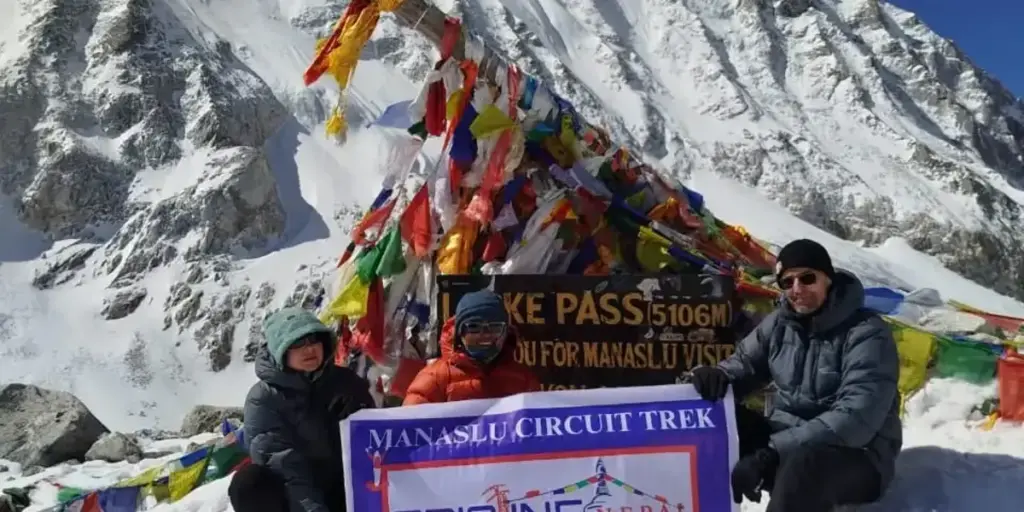
- Day 12: Larkya La Pass (5,106m). This is the day you earn your glory. Crossing the pass is physically demanding, but the descent into the lush Bimthang valley is pure joy.
- Day 13-15: The Final Descent. We trek back to Dharapani and eventually drive back to Kathmandu. Ultimately, you return to the capital as a transformed person.
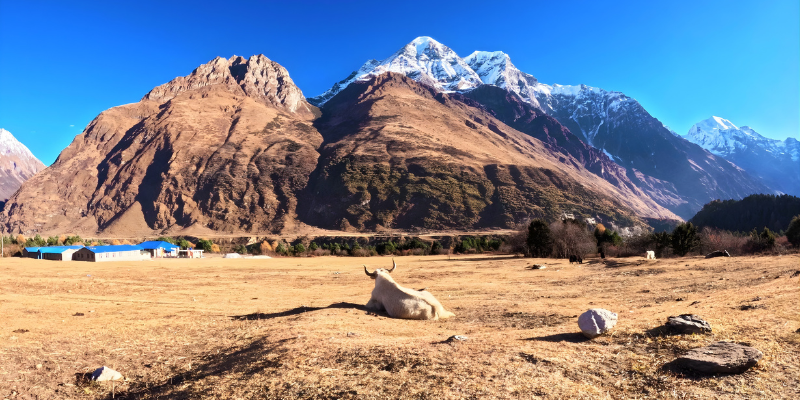
Timing & Weather: Choosing Your Window
If the itinerary is the heart of your journey, the weather is the master key. Honestly, because the Manaslu Circuit spans such a massive range of elevations- starting at a humid 930m and peaking at the arctic 5,106m – the climate is essentially exceptional and unpredictable.
Actually, choosing the right month is the difference between a “floral paradise” and a “monsoon struggle.”

The “Gold” Seasons: Autumn & Spring
Ultimately, these are the two windows where the Himalayas are most welcoming to human visitors.
Autumn (September – November): The Photographer’s Dream
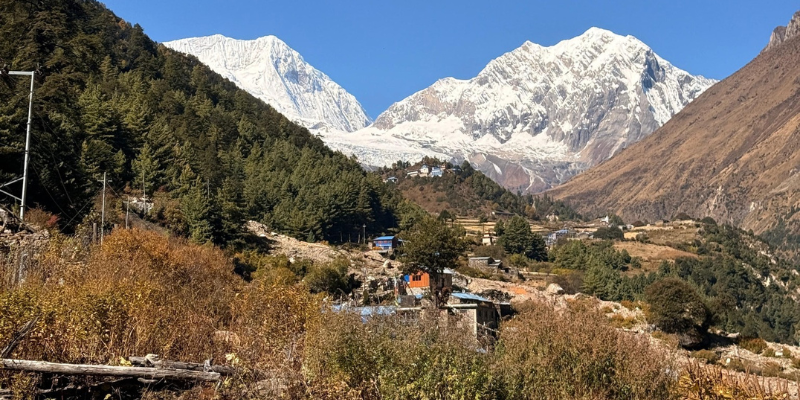
Remarkably, Autumn is the most popular time for a reason. After the monsoon rains wash the dust from the atmosphere, the visibility is “Himalayan High-Definition.”
- September: This is the transition month. Crucially, the first half can still be wet, but by late September, the green landscapes are lush and vibrant. Average temperatures sit around 7.7-degree celcius.
- October: Basically, this is the “Diamond Month.” The skies are crystal clear every morning, and the trails are alive with the energy of peak season. Furthermore, this is when the major festivals of Dashain and Tihar fall, offering a unique cultural layer to your trek.
- November: The days remain crisp, but the temperature starts to drop remarkably below freezing at night (-10-degree celcius in Samdo). This is the best time for those who want clear horizons without the early October crowds.
Spring (March – May): The Floral Explosion
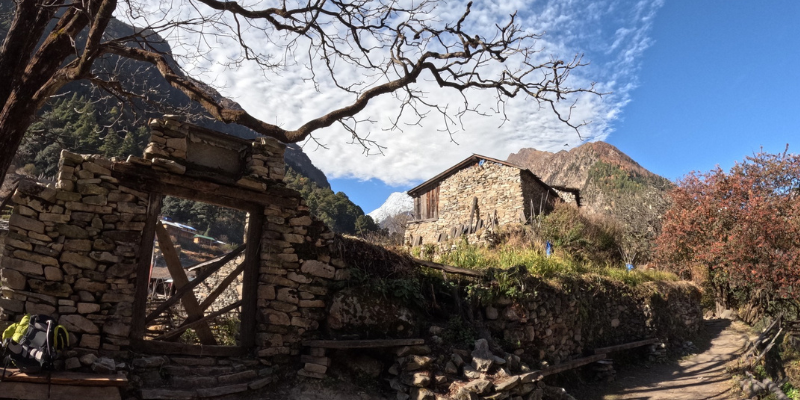
If you want to see the “serenity” of the Manaslu region in full color, Spring is incredible.
- March: The start of the season. You can still feel the winter’s cold breeze, but the rhododendrons begin to bloom at lower altitudes.
- April: Honestly, this is the best month of Spring. The forests are a riot of red and pink blossoms, and the weather is relatively stable between 6 degree celcius & 12°C at mid-elevations. It’s the perfect time to compare the EBC Weather Patterns with Manaslu.
- May: The warmest month. Consequently, you will break a sweat in the Budi Gandaki gorge, but the temperatures at the Larkya La pass are much more survivable.
The “Off-Peak” Realities: Monsoon & Winter
In short, we don’t usually recommend these windows for beginners unless you have a specific reason to go.
- Monsoon (June – August): This is when Nepal receives 80% of its rainfall. Crucially, the trail in the gorge becomes slippery, and the presence of leeches is a major downside. Landslide risk is at its highest. However, if you are a botanist or researcher, the lushness is unmatched.
- Winter (December – February): It is brutally cold. Temperatures at higher regions frequently hit -20°C. Remarkably, the views are stunning, but the Larkya La Pass is often blocked by deep snow, and many high-altitude teahouses close for the season.
Manaslu Temperature Summary Table (Avg)
Spring Season:
| Lower altitude: | 15°C to 22°C |
| High Altitude (Night): | -5°C to 0°C |
| Trail Vibe: | Blooming & Fresh |
Autumn:
| Lower altitude: | 12°C to 18°C |
| High Altitude (Night): | -5°C to 0°C |
| Trail Vibe: | Blooming & Fresh |
Winter:
| Lower altitude: | 5°C to 10°C |
| High Altitude (Night): | -20°C to -15°C |
| Trail Vibe: | Silent & Snowy |
Therefore, your comfort depends entirely on your gear and timing. For the best balance of safety and scenery, we suggest aiming for October or April.
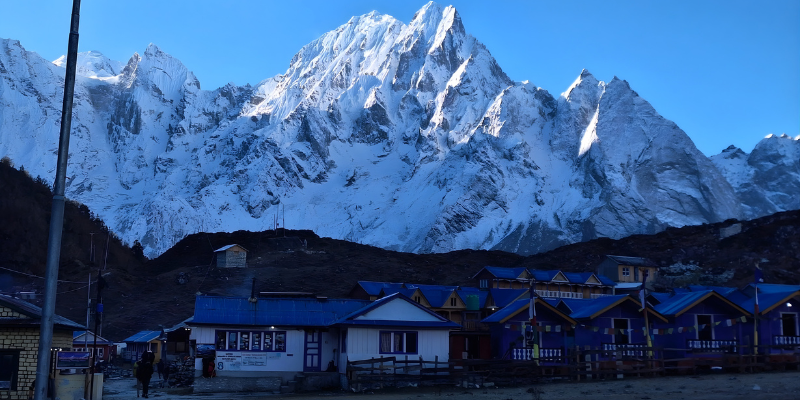
Permit Logistics & Red Tape: Navigating the 2026 Regulations
Let’s be totally honest: the paperwork for Manaslu is the biggest hurdle you will face. Unlike the Standard Everest Base Camp Experience. where you can essentially buy permits on the trail, Manaslu is a high-security “Restricted Area.” Actually, the Nepal government uses these strict regulations to prevent over-tourism and protect the fragile border culture near Tibet.
Consequently, you cannot simply show up and start walking. You need a total of four distinct permits to complete the full circuit.

Special Restricted Area Permit (RAP)
This is the “Golden Ticket.” Crucially, the price of this permit changes based on the month you trek.
- Peak Season (September – November): $100 USD per person for the first seven days, then $15 USD for each additional day.
- Off-Peak (December – August): $75 USD per person for the first seven days, then $10 USD for each additional day.
Manaslu Conservation Area Permit (MCAP)
You enter the MCAP zone shortly after Jagat. Basically, the fee is NPR 3,000 (approx. $30 USD) for foreigners. This money is utilized for the development of the routes and managing the historical monasteries you will visit.
Annapurna Conservation Area Permit (ACAP)
Because the trek ends in Dharapani, which sits inside the Annapurna region, you are legally required to hold an ACAP. Remarkably, even if you only spend two days in this region, you must pay the full fee of NPR 3,000 (approx. $30 USD).
TIMS Card (Trekkers’ Information Management System)
Actually, many agencies used to say TIMS wasn’t needed for Manaslu, but for 2026/2027, it is mandatory for the safety and tracking of all trekkers in Nepal. It costs approx. $20 USD.
The “No-Solo” Mandate: A Safety Requirement
Honestly, this is where many travelers get stuck. Solo trekking in Manaslu is strictly forbidden. According to the latest Restricted Area Permit Regulations you must meet two criteria to get your permits:
- You must be in a group of at least two trekkers (we can help you find a partner if you are traveling alone).
- You must be accompanied by a licensed, NMA-certified local guide.
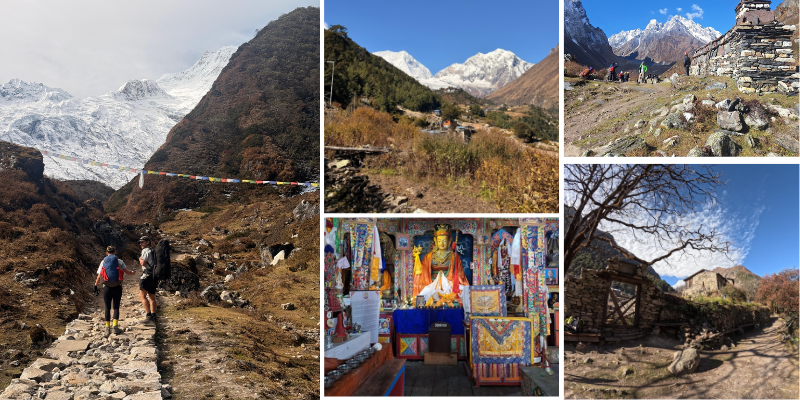
Documentation Checklist:
To ensure we can process your permits in Kathmandu without delay, you must provide:
- A scanned copy of your Passport (must be valid for 6 months).
- A valid Nepal Entry Visa.
- Four passport-size photos (Physical copies are needed in Kathmandu).
- Proof of Mandatory Travel Insurance for 6,000m
Ultimately, while this sounds like a lot of red tape, Pristine Nepal handles 100% of the logistics for our clients. Therefore, you can spend your first day in Kathmandu enjoying a coffee in Thamel while we stand in line at the Department of Immigration for you.
The Financial Blueprint 2026 Cost Breakdown
Planning the budget for a restricted area trek is significantly more complex than a standard hike. Honestly, because Manaslu requires specific government permits and mandatory guides, the “sticker price” can be confusing for first-timers. Actually, for 2026 and 2027, the cost is influenced by the seasonality of permits and the rising logistics costs in the Budi Gandaki valley.
To help you plan, we have broken down the investment into four core categories: Permits, Logistics, Daily Life, and Professional Support.
The “Red Tape” Investment (Permits)
As we discussed in the Manaslu Permit Logistics section, your permits are your biggest fixed cost.
- The RAP (Restricted Area Permit): During the “Gold Window” of Autumn (Sept – Nov), this costs $100 USD for the first 7 days. In other months, it drops to $75 USD.
- Conservation Fees: You must pay for both the MCAP and ACAP (approx. $60 USD total).
- TIMS Card: Approx. $20 USD. Crucially, these permits are non-negotiable. Therefore, before you even step on the trail, you are looking at an initial investment of roughly $155 to $180 USD.
Transportation: The “Road to the Trail” Logistics
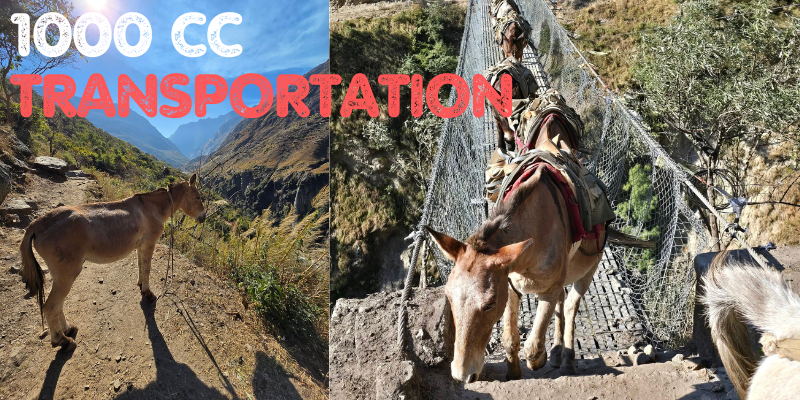
How you get to the trailhead at Macha Khola (or Soti Khola) defines the start of your journey.
- The Public Bus Option: This costs roughly $15-$20 USD. However, it involves a transit in Arughat and can take up to 9 hours of bumpy, crowded travel.
- The Private Jeep (Recommended): A private “Green Plate” tourist jeep costs between $200 and $250 USD (shared among your group). Consequently, if you are a group of four, it’s only $50-$60 per person. Basically, it is a hassle-free alternative that saves you a full day of travel exhaustion.
Professional Support: Guides & Porters
Ultimately, your safety depends on your team. Because solo trekking is illegal here, a guide is a mandatory expense.
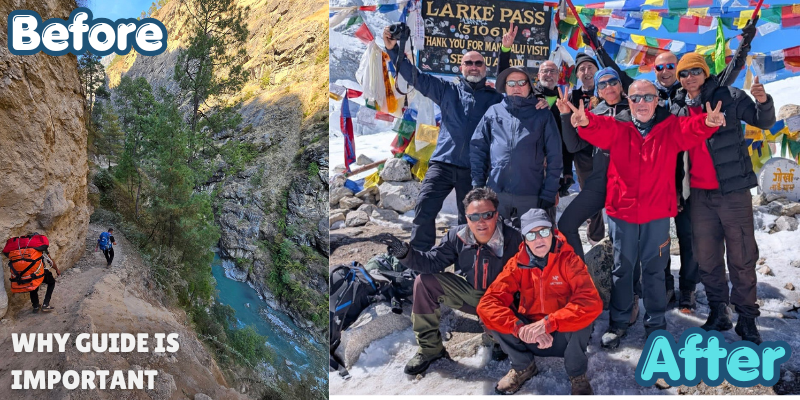
- Certified Trekking Guide: Expect to pay $35 to $45 per day. This covers their salary, insurance, food, and equipment.
- Porters: A porter (carrying up to 20kg) costs $25 to $30 per day. In short, if you want to focus on the views rather than the pain in your back, a porter is the best investment you can make.
Daily On-Trail Expenses (Food & Bed)
Life in the teahouses is simple but has a “high-altitude premium.” Actually, as you go higher, the cost of transporting supplies increases.
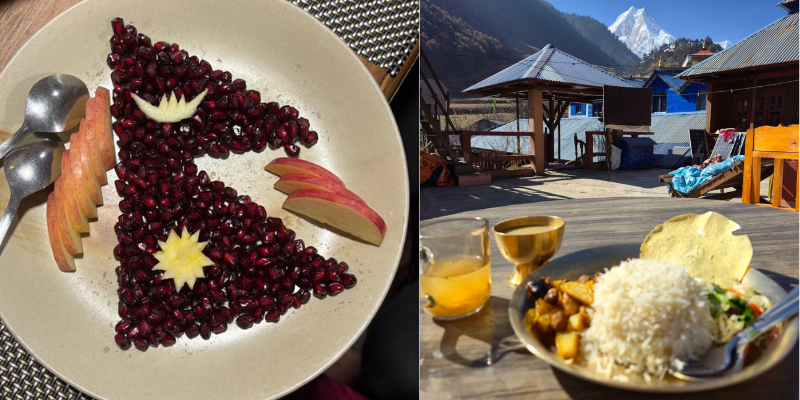
- Accommodation: Standard rooms cost $5 to $10 per night. Remarkably, in the off-season, you might find a bed for $3, but in October, prices are firm.
- a
- Water: A liter of boiled water costs $1 to $3. Therefore, we suggest using purification tablets to save over $100 throughout the 15-day trek.
The “Hidden” Costs (The Small Print)
Many trekkers forget to budget for the “luxuries” that keep you sane at 4,000 meters:
- Battery Charging: $2 – $5 per device.
- Hot Showers: $3 – $7 per shower (available up to Namrung).
- Wi-Fi: $3-$5 for a data card.
- Tipping: Honestly, tipping is a local custom. We suggest budgeting 10-15% of your total trek cost to be shared among your guide and porters.
2026 Budget Summary Table (Estimated)
| Budget Traveler (Service Trek): | Standard Full Package: | |
| Permits & Fees | $180 | Included |
| Transport (KTM-Trail-KTM) | $50 (Bus) | Included (Private Jeep) |
| Guide & Porter | $700 (shared) | Included |
| Food & Lodging | $600 | Included |
| Hidden Cost: | $150 | None |
| TOTAL (Approx) | $1,100 – $1,300 | $1,400 – $1,800 |
Ultimately, whether you choose a “Service Trek” (paying as you go) or an “All-Inclusive Package,” the Manaslu Circuit Trek Cost is generally lower than a Luxury Everest Base Camp Trek, providing exceptional value for an 8,000m mountain experience.
Life in the Clouds: Teahouse Realities (Food & Bed)
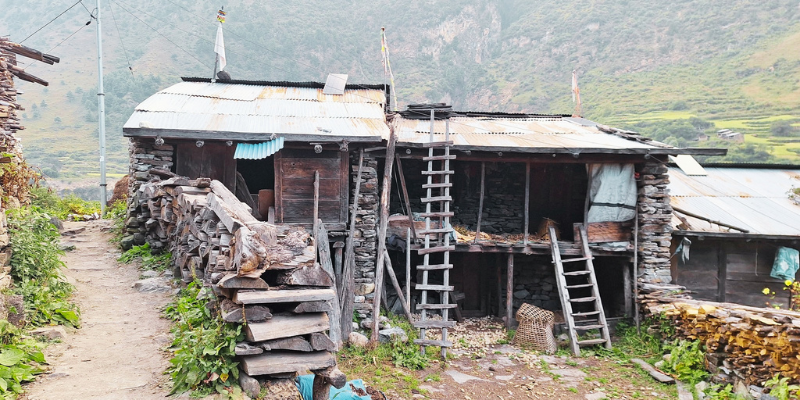
Landing in Kathmandu and then hitting the trail is a massive culture shock. Actually, the “Teahouse” lifestyle is one of the most unique parts of the journey. Unlike the more commercialized Accommodations in Everest, Manaslu’s lodges are often family-run homes that have expanded to welcome trekkers.
Honestly, finding a room during the peak months of October and April can be a headache. Consequently, having an experienced guide who can “radio ahead” to secure your bed is your greatest tactical advantage.
Where You Will Sleep: The Vetted Lodges
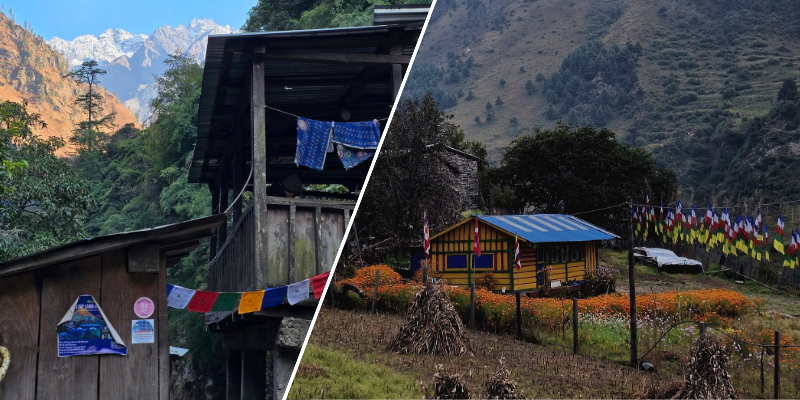
While most rooms are basic – often featuring two twin beds and plywood walls – the quality of hospitality is remarkably high. In short, you are choosing nature over luxury. Here are the specific teahouses we recommend and frequently use:
- Jagat: Jagat is the gateway to the restricted zone. We prefer the Manaslu Santi Guest House or Rubi Nala. Crucially, this is where you will register your permits at the police check-post.
- Namrung: This village offers a surprise in the wilderness. The Nubri Four Season Resort provides a higher standard of comfort that feels like a reward after the steep climb from Deng.
- Syala: This is arguably the most scenic stop on the circuit. Staying at Majestic Manaslu or Tashi Dalek puts you directly in front of a 360-degree mountain panorama.
- Sama Gaon: Your “Acclimatization Hub.” We recommend Mount Manaslu Guest House or Gurung Cottage. Remarkably, these lodges have large dining halls where trekkers gather around the central stove to share stories.
- Dharmasala (Larkya Phedi): Ultimately, this is the most basic stop. There are only two main lodges (Larkey Guest House). During peak season, it is not uncommon to see trekkers sleeping in the dining hall. Therefore, we always suggest arriving early to secure a private room.
Cost Insight: Accommodation starts from $5 to $10 per night in peak season. Actually, the higher you go, the more you pay for the logistics of bringing supplies to such remote altitudes.
The “Dal Bhat Power” Strategy (Food):
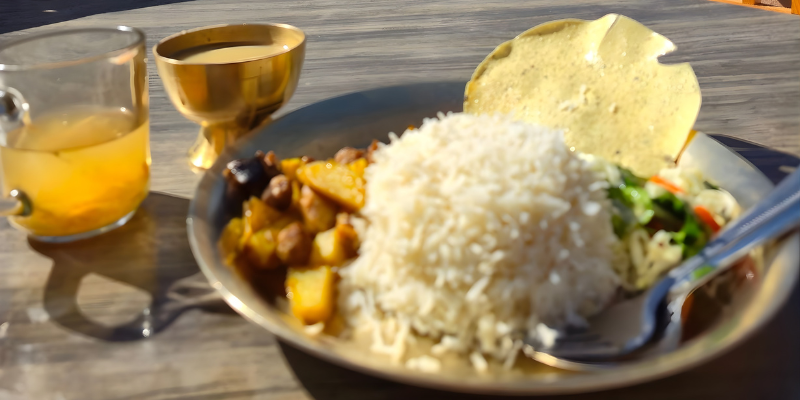
After a 7-hour day of exploring, the best thing to do is try the local cuisine. Basically, you can choose from Nepali, Continental, Chinese, and Italian dishes, but there is one undisputed king: Dal Bhat.
- The Power of Lentils: Dal Bhat (Rice, Lentil Soup, and Veggies) is the “Himalayan Power Fuel.” Crucially, it is the only meal that comes with free refills. Remarkably, it provides the steady carbohydrate release needed for the 5,000m pass.
- The “Meat” Debate: Honestly, this is a life-saving tip: Do not eat meat above Namrung. Because Manaslu is a Buddhist region, slaughtering animals is often forbidden, meaning meat is carried up by porters in the sun for days. Ultimately, sticking to a vegetarian diet is your #1 defense against a stomach bug that could end your trek.
- Garlic Soup: Actually, the local Sherpas have used garlic for centuries as a natural vasodilator. It helps your blood flow better in low-oxygen environments. In short, order it every night once you pass 3,500m.
Logistics of Comfort: Showers & Wi-Fi
- Hygiene: Hot showers are available at lower altitudes for $3-$7. However, above Sama Gaon, the water is often frozen or too cold to enjoy. Therefore, pack biodegradable wet wipes for your “high-altitude sponge bath.”
- Connectivity: Remarkably, many teahouses now offer Wi-Fi cards for a small fee. In short, it is enough to send a “safety check” message home, but don’t expect to stream videos at 4,000 meters!
Ultimately, your goal is to be comfortable enough to rest well. Basically, if you enter with a “take it or leave it” attitude and focus on the views rather than the plywood walls, you will have the time of your life.
Trek Difficulty: How Hard is the Manaslu Circuit?
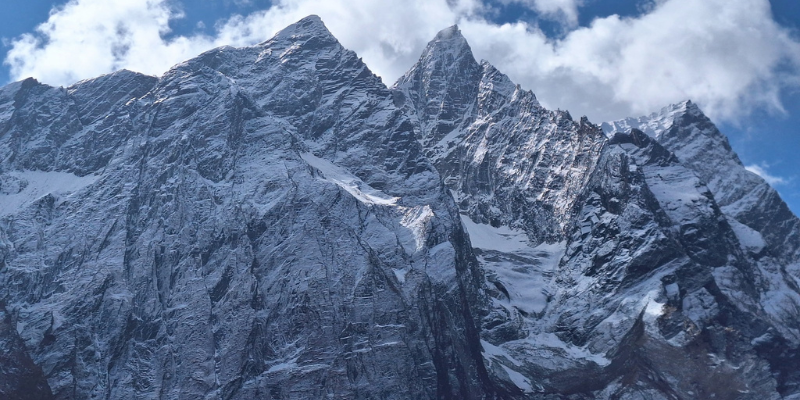
Honestly, if you are thinking Manaslu Circuit Trek is like walking in park then you are wrong. The Manaslu Circuit is classified as a Moderate to Challenging trek. While it is accessible to fit beginners, it demands more grit and stamina than the Standard Everest Base Camp Experience. Actually, the difficulty isn’t just about one steep hill; it’s about the cumulative effect of distance, terrain, and oxygen depletion.
Difficulty by the Numbers: The 177km Grind
Basically, you are covering roughly 177 kilometers (109 miles) on foot. You will be walking for 15 to 20km on a daily basis for about 10 to 12 days. Crucially, the first few days through the Budi Gandaki gorge are surprisingly humid and steep. You’ll navigate narrow rocky paths, cross swaying suspension bridges, and face relentless “Himalayan Flats”
The Larkya La Challenge (5,106m)
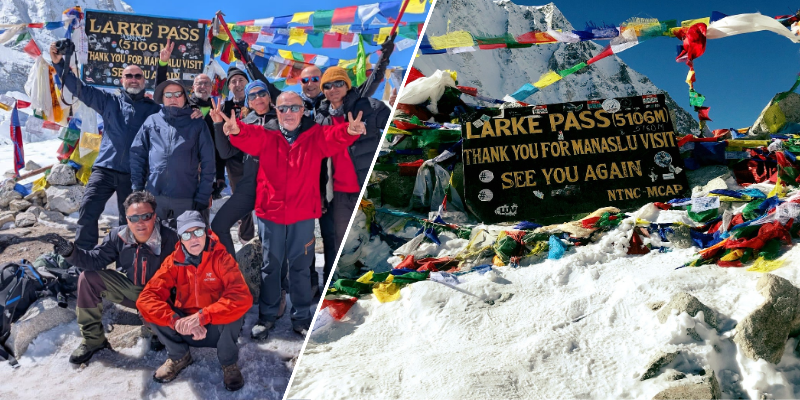
Ultimately, the difficulty of the Manaslu Circuit is defined by Day 12. Crossing the Larkya La Pass is the biggest hurdle. You will gain 500m to 700m of elevation daily leading up to the pass. Remarkably, the air at the top has about 50% less oxygen than at sea level. If the weather turns, the descent into Bimthang can be slippery and punishing on the knees. Therefore, your success depends entirely on your preparation.
The Manaslu Workout Plan: Training for Success
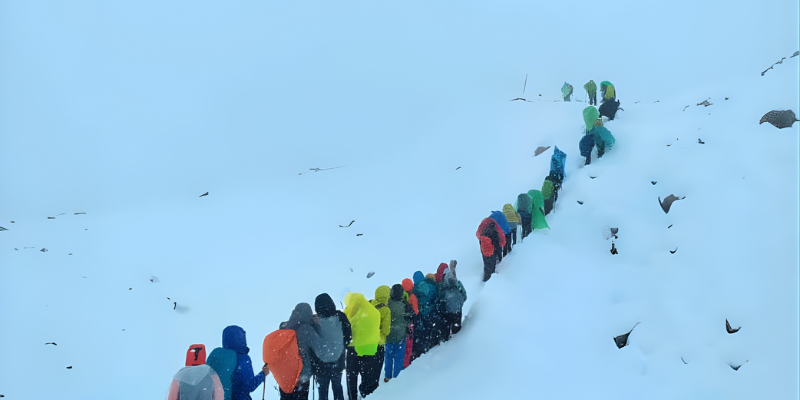
Trekking in Nepal is 70% physical and 30% mental. Consequently, you need a training plan that addresses both. In short, don’t just “get fit”; get “mountain fit” for trekking in Nepal. We recommend starting this plan at least 12 weeks before your departure for Manaslu Circuit Trek.
So, to make it happen:
Build Your “Mountain Legs”
Since trekking is done entirely by walking, you must strengthen your lower body. Actually, during the trek the descent is often harder on the body than the climb. To ensure, you are ready for the knee breaking descent:
- Focus on leg presses, squats, walking lunges, and step-downs.
- Build the “eccentric” strength in your quads to handle the 2,000m descent from the pass.
- Wear your trekking boots during your gym sessions or weekend hikes to ensure they are Thoroughly Broken-In
Cardiovascular Resilience (Aerobic Base)
Basically, as you gain elevation, the amount of oxygen level decreases. To cope, you need a powerful “engine.”
- Engage in low-impact cardio like cycling, swimming, or long-distance jogging.
- You should aim for “Zone 2” training—where you can still hold a conversation while your heart rate is elevated. This builds the aerobic efficiency needed for the thin air of Samdo.
Mental Fortitude & Flexibility
Honestly, many trekkers fail because they “over-think” the altitude.
- Remarkably, yoga is a must to keep yourself calm and handle stress. It also teaches you deep diaphragmatic breathing, which is a literal lifesaver at 5,000 meters.
- Practice a “can-do” attitude. Ultimately, when your legs are tired in Dharamsala, it is your mind that will get you over the pass.
Risk Management: Altitude Sickness (AMS) 101
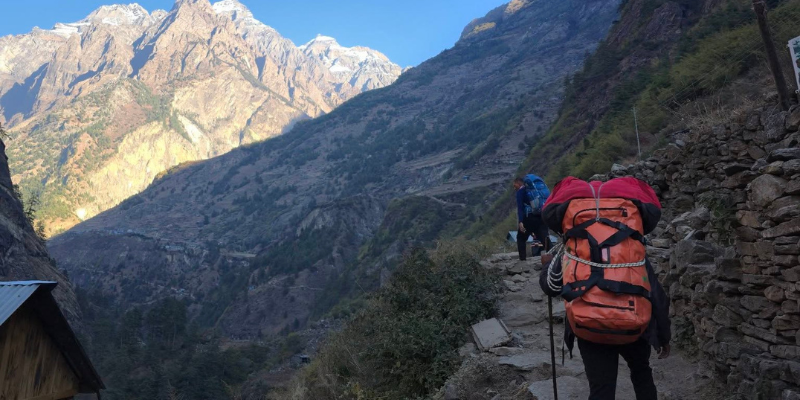
While the terrain is challenging, the true “silent” difficulty is Altitude Sickness. Actually, AMS is a serious condition and can be fatal if ignored.
Crucially, if you find any disorder in your body such as shortness of breath, dizziness, headache, vomiting, or loss of appetite, you must immediately inform your guide. In short, there is no shame in descending. Our guides are NMA-Certified and carry pulse oximeters to monitor your oxygen levels every night. Therefore, we prioritize your safety over the summit every single time
The Ultimate Manaslu Packing Checklist: Layering for Extremes
Packing for the Manaslu Circuit is a strategic challenge. Basically, you start in the subtropical heat of Macha Khola (25°C) and end at the frozen Larkya La Pass (-15°C). Ultimately, your goal is to be light on your feet but warm in your bed.
The “Three-Layer” Rule for trekking:
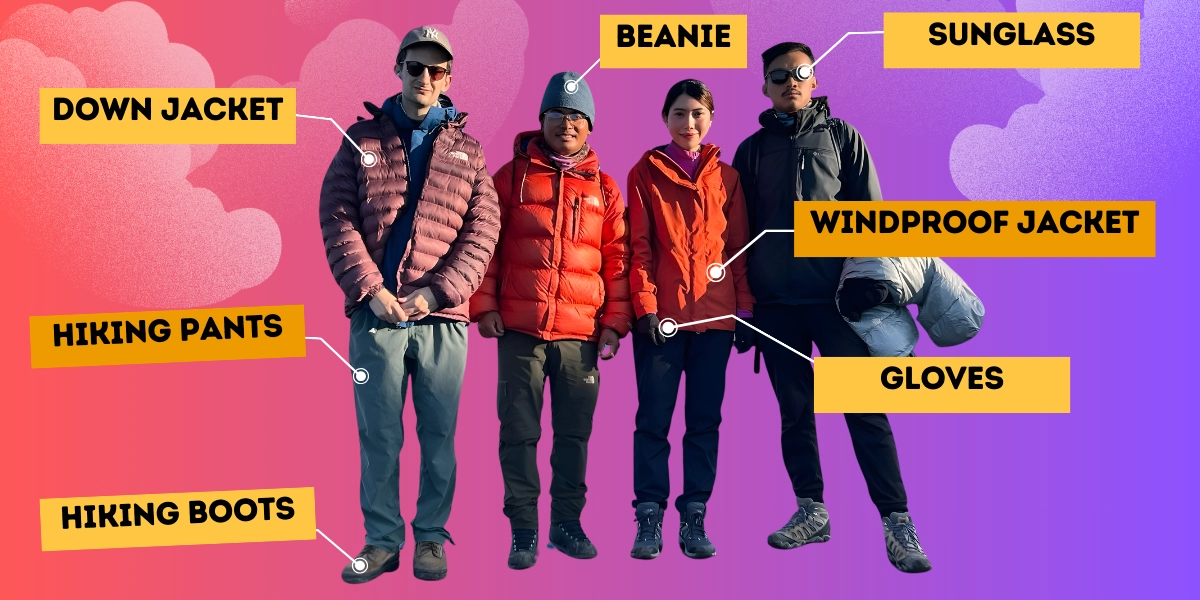
Honestly, don’t bring one big coat. Use layers so you can adjust as you sweat on the climbs.
- Base Layer: Moisture-wicking thermals (Merino wool is the gold standard).
- Insulation: A high-quality fleece and a “puffer” down jacket.
- Shell: A waterproof and windproof GORE-TEX jacket. Crucially, the Budi Gandaki gorge can be surprisingly wet even in the peak season.
Footwear: Protecting Your “Engine”
- Trekking Boots: Must be high-ankle and thoroughly broken-in. Remarkably, a blister at 4,000m can end your trek.
- Camp Shoes: Crocs or light trainers. Your feet need to breathe after 7 hours in boots.
- Woolen Socks: 4 pairs of thick hiking socks and 2 pairs of thin liners.
Technical & Safety Gear
- Sleeping Bag: Rated for -15°C to -20°C. Actually, we provide these for our clients, so you can save space in your luggage!
- Headlamp: Essential for the 3:00 AM start on the Larkya La pass day.
- Trekking Poles: In short, these are non-negotiable for the steep descent into Bimthang.
- Power Bank: 20,000mAh minimum. Charging in teahouses costs $3-$5 per device.
Pro-Tip: You can rent heavy down jackets and sleeping bags in Thamel for approx. $1-$2 per day. Therefore, don’t buy expensive gear you’ll only use once! Check our Renting Trekking Gear in Kathmandufor vetted shops.
Transportation: The Road to the Restricted Zone
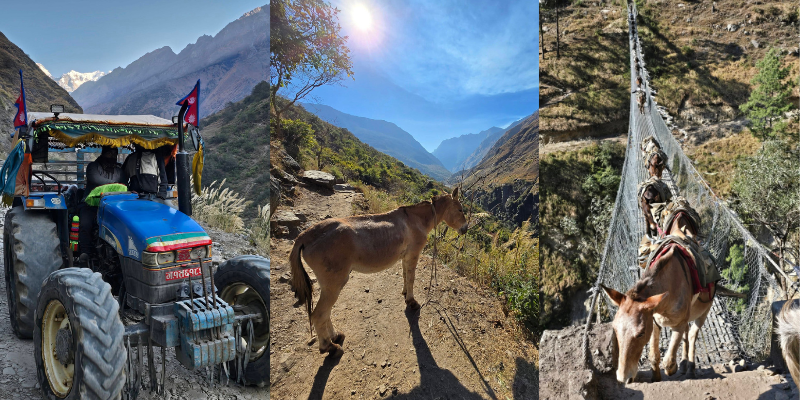
How you get to the trailhead defines your first impression of Nepal. Actually, the road to Manaslu is currently undergoing significant expansion, which makes the journey both exciting and bumpy.
The “Private Jeep” Advantage
Honestly, we highly recommend the private “Green Plate” tourist jeep over the local bus.
- The Bus: Takes 8-9 hours, requires a transit in Arughat, and is often overcrowded.
- The Private Jeep: Takes you directly from your hotel in Kathmandu to Macha Khola. Consequently, you arrive at the trailhead energized rather than exhausted. Basically, it turns a grueling travel day into a scenic tour of the Nepalese countryside.
Return Logistics
After finishing the trek in Dharapani, we use another private jeep to take you to Besisahar and then back to Kathmandu or Pokhara. Remarkably, many of our clients choose to head to Pokhara for a post-trek lake-side massage!
Ultimate FAQ: Your Manaslu Questions Answered

Can I trek Manaslu solo in 2026?
No. It is strictly forbidden. You must have at least two trekkers and a licensed guide to obtain the restricted area permit.
How does Manaslu compare to the Annapurna Circuit?
Actually, Manaslu is what the Annapurna Circuit used to be 20 years ago. It has fewer roads, more authentic culture, and significantly smaller crowds. If you want the “Original” Nepal feel, Manaslu wins.
Is there Wi-Fi and electricity on the trail?
In short, yes. Most teahouses have solar power and offer Wi-Fi cards. However, connectivity is unpredictable above 4,000m. Therefore, use this as a chance for a digital detox.
What is the success rate for beginners?
At Pristine Nepal, we maintain a 98% success rate because we prioritize a slow pace and include a mandatory acclimatization day in Sama Gaon.
Is the water safe to drink?
Basically, never drink tap water. We provide water purification tablets. Consequently, you protect your stomach and the environment from plastic waste.
Conclusion: Your Himalayan Legacy Starts Here
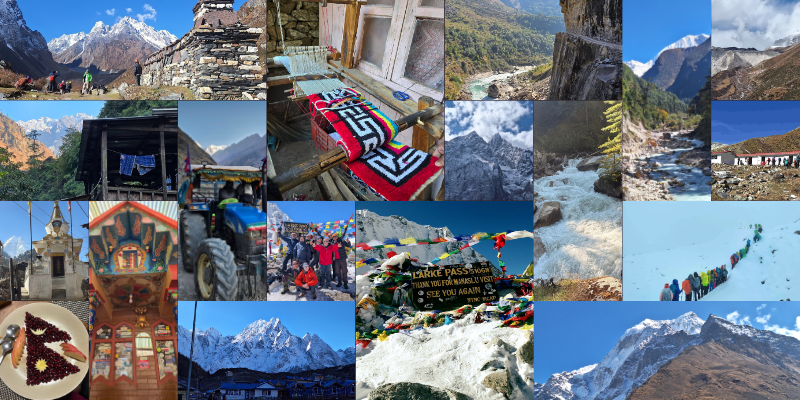
The Manaslu Circuit isn’t just a trek; honestly, it is a life-defining achievement. It is a journey through ancient history, raw nature, and your own physical limits. Don’t settle for a crowded “mountain highway” when you can have the silence of the Nubri valley all to yourself.
Furthermore, you deserve the safety and local expertise of a company that has guides who spent over 20+ years perfecting this route. From the first permit application to the final celebration dinner in Kathmandu, we handle every complex logistic so you can focus 100% on the mountains.
Secure your 2026/27 restricted permit with Pristine Nepal Treks today. Let’s turn your Himalayan dream into a reality