


To set on a journey of a life time you need to be prepared by every means. Honestly, while you might focus on your fitness and gear, Travel Insurance for the Everest Base Camp trek is the single most crucial factor in your pre-trip planning. It is your ultimate safety net in an environment where the margin for error is zero.
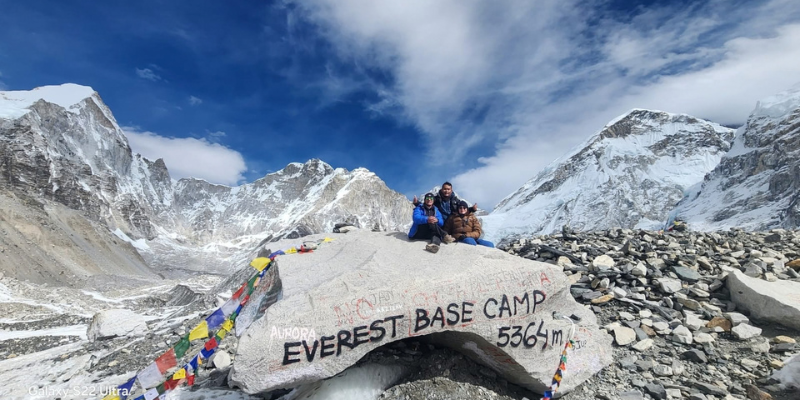
The Everest Base Camp (EBC) trek is one of the most iconic adventures on Earth, but standing at 5,364 meters brings serious challenges.
Actually, trekking to such extreme altitudes involves risks that even the fittest athletes cannot ignore: Acute Mountain Sickness (AMS), unpredictable weather, and flight delays. In this updated 2026/2027 guide, we’ll break down why insurance is mandatory, how to avoid “fake rescue” scams, and which providers are still trusted by Himalayan operators.
Why Insurance is Non-Negotiable for EBC
Trekking to EBC takes you into the remote heart of the Khumbu, where there are no roads and limited healthcare. Crucially, if an emergency strikes – be it a severe case of HAPE or a broken limb – the only quick way out is a helicopter evacuation.
Basically, a helicopter rescue from Gorakshep or Everest Base Camp costs between $4,000 and $8,000 USD. Without a valid insurance policy that covers “Search and Rescue,” you would be forced to pay this entire amount out of pocket before the helicopter even takes off. Therefore, spending $150 on insurance isn’t just a cost; it’s an investment in your life and your bank account.
Key reasons to buy travel insurance:
- Helicopter evacuation coverage in case of altitude sickness or injury
- Medical treatment and hospitalization in Kathmandu or abroad
- Trip cancellation or delays due to Lukla flight issues or bad weather
- Protection against lost baggage and stolen gear
- Peace of mind so you can focus on the trek, not risks
Mandatory Coverage: The “6,000 Meter” Rule
Not all travel insurance is created equal. Honestly, many standard “World Travel” policies explicitly exclude activities above 3,000 meters.
Actually, your policy must cover you up to at least 6,000 meters. Why? Because while the base camp is at 5,364m, the highlight of the trek – Kala Patthar – reaches 5,545m. If your policy only covers you to 5,000m, you are effectively uninsured for the most dangerous part of your trip. Furthermore, ensure your policy includes:
- Helicopter Evacuation: Explicitly stated in the “Medical Evacuation” section.
- Hospitalization: Coverage for treatment in Kathmandu (which can be expensive for foreigners).
- Trip Interruption: Coverage for Lukla Flight Delays, which are a frequent reality in the Himalayas.
The “Fake Rescue” Scandal: Protecting Yourself from Fraud
Crucially, you need to be aware of the “Fake Rescue” fraud that has been reported in Nepal over the last few years. This occurs when unscrupulous trekking agencies, guides, and hospitals collude to pressure trekkers into unnecessary helicopter evacuations to collect commissions from insurance companies.
How the scam works: A guide might exaggerate your symptoms (like a minor headache) and convince you that you need an immediate helicopter. They then take you to a specific hospital in Kathmandu that overcharges the insurance company, sharing the profit with the guide and agency. Consequently, insurance companies have become very strict and have even blacklisted several hospitals and agencies in Nepal.
How to Tackle and Avoid Fake Rescues:
- Choose a Reputable Local Agency: Actually, this is the best defense. Agencies like Pristine Nepal have a transparent safety record. We never pressure clients into evacuations.
- The Pulse Oximeter Test: Basically, our guides use medical-grade oximeters to check your oxygen saturation daily. We only recommend evacuation if your levels are dangerously low or if you show clear signs of HAPE/HACE.
- Contact Your Insurer First: Unless it is a life-or-death emergency, always try to contact your insurance company’s emergency 24/7 line before boarding a helicopter. They can often direct you to a “vetted” hospital.
- Don’t Be Pressured: If you feel fine and can walk down to a lower altitude (like Pheriche), do so. Ultimately, a true professional guide will prioritize your acclimatization over a quick flight.
How Much Does Travel Insurance for Everest Base Camp Trek Cost in 2026?
The cost of your Everest Base Camp trek insurance depends on your age, nationality, and the length of your trek. On average for 2026:
- 2 – 3 weeks plan: $120–$200 USD
- Comprehensive coverage with helicopter evacuation: $180 – $280 USD
Remarkably, this is a small price to pay when you consider that the Everest Base Camp Trek Cost is a multi-thousand-dollar investment.
What Does Everest Base Camp Trek Insurance Cover?

A good travel insurance policy for EBC should cover:
- Helicopter evacuation in case of altitude sickness or severe injuries
- Emergency medical treatment and hospitalization costs
- Trip delays and cancellations, especially Lukla flights
- Lost or stolen baggage and trekking gear
- Repatriation if you need to be sent back home in critical condition
- Accidental death & disability coverage
Always read the fine print carefully to confirm altitude limits and exclusions.
Trusted Insurance Companies for 2026/2027 for EBC Trek:
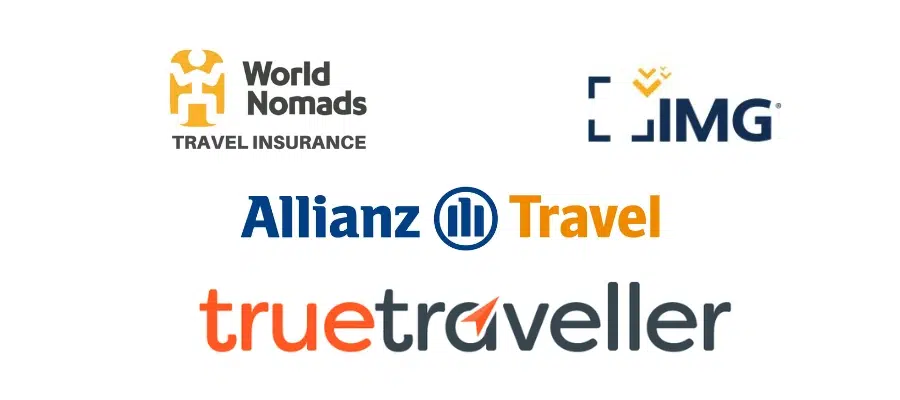
Because of the recent fraud investigations, many insurers have changed their terms. Crucially, these four companies remain the most reliable for Himalayan trekkers:
- World Nomads – Popular among trekkers, covers high-altitude trekking and rescues.
- Allianz Travel Insurance – Strong global coverage with emergency evacuation.
- IMG (International Medical Group) – Great option for U.S. travelers.
- True Traveller – Best for European trekkers, covers adventure sports and trekking.
FAQs About Travel Insurance for Everest Base Camp Trek
1. Do I really need insurance for Everest Base Camp trek?
Yes, because emergencies like altitude sickness often require helicopter evacuation, which is extremely expensive without insurance.
2. What altitude coverage should my insurance include?
At least 6,000 meters, since EBC is 5,364m and nearby hikes like Kala Patthar reach 5,545m.
3. Can I buy insurance after reaching Nepal?
Some providers in Kathmandu sell insurance, but it’s safer to purchase from a reliable international company before your trip.
Ultimately, travel insurance for the Everest Base Camp trek is about more than just a piece of paper; it is about the peace of mind that allows you to focus on the mountains, not the risks. In short, don’t let a “fake rescue” or a lack of coverage ruin your Himalayan dream.
Ready to trek with a team that puts your safety first? Book your 2026/2027 adventure with Pristine Nepal Treks today, and we will help you verify your insurance coverage before you even land in Kathmandu!