


Situated among the breathtaking Himalayan peaks, the stunning beauty of Gokyo Lake remains unmatched. Gokyo lake truly redefines the standard of natural beauty. Gokyo Lake is renowned for its twinkling turquoise water and remarkable landscape, inspiring adventurers and nature enthusiasts to plunge into this wonderland.
Situated at an altitude of 4,700 meters (15,400 feet), Gokyo lake is one of the highest freshwater lakes in the world. Gokyo lake is a significant part of a large Gokyo Valley, a region blessed with an arrangement of glacier lakes and Mountains, which leaves the visitors stunned. This hidden gem is located in the heart of Everest region.
Sherpa community has been residing in this place for a very long time. These people believe this place to a sacred and hold a deep admiration. This spiritual connection adds an extra layer of significance in this place. The twinkling turquoise reflects peaks of Cho Oyu, Everest, Lhotse, and Makalu, creating a magic of nature.
Where is Gokyo Lake?

Gokyo Lake is located in Pasang Lhamu Rural Municipality, Solukhumbu district of Nepal within Sagarmatha National Park. Specifically, it lies in the Gokyo Valley, which is situated in the northeastern part of Nepal, near the border with Tibet. Its precise geographic coordinates are approximately 27.9654° N latitude and 86.6836° E longitude.
There are 6 different lakes in Gokyo Valley which are Gokyo Cho (Dudh Pokhari), Gyazumoa Cho, Tanjung Cho, Ngozumpa Cho, and Longbanga Cho which are in different elevations. The largest lake among them is Thonak Cho with an area of 160.8 acres also known as Gokyo Lake.
Its wetland is associated with Ramsar Site in 2007. It is five days uphill; walking distance from Lukla. This lake is considered the holy lake/sacred lake among Hindus and Buddhists. Similarly, every year thousands of tourists visit here.
Weather in Gokyo Lake
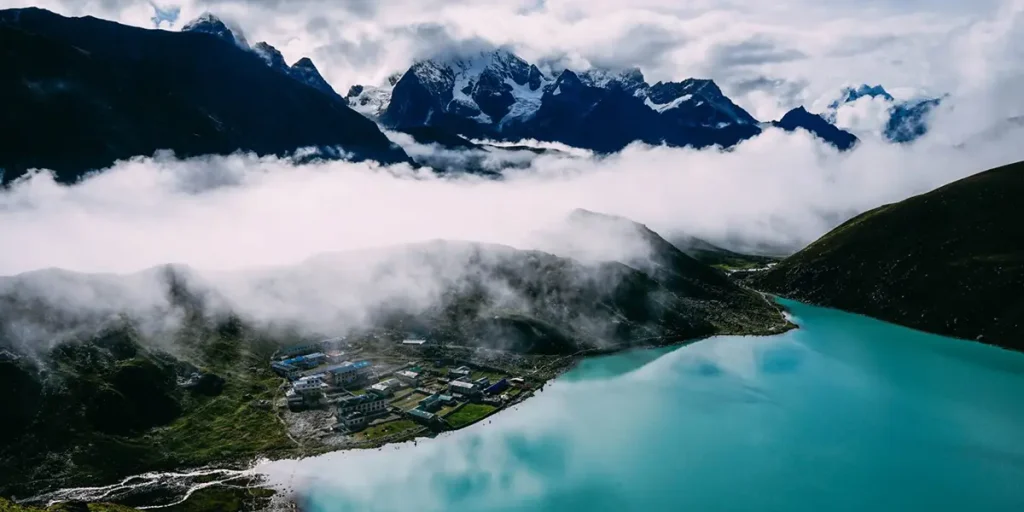
If you are planning a trek to Gokyo lake then it’s crucial to consider the best time to trek in this region. Although the weather can be unpredictable, some seasons are considered more favorable for a better trekking experience. Autumn and Spring are widely popular seasons to undertake the magnificent Gokyo Lake Trek.
Gokyo lake during Autumn
Starting from September to November, this duration of time is more popular among trekkers. During this period, the weather is clearer, providing good visibility of the beautiful mountains. However, it is also important to note that autumn is considered a peak season for trekking in Nepal, which might result in a larger number of trekkers.
Gokyo lake during Spring
Strating from March to May, also offers ideal trekking conditions. As the weather gets warmer, the day becomes sunny and pleasent. However it might occasionally snowfall in spring, which might make it colder. So , we recommend trekkers to stay prepared for every situation.
Regardless of the season you choose, it’s essential to keep an eye on the clouds. The weather in Gokyo lake can be unpredictable, and the clouds covers the mountain view. Staying aware of the cloud movements will help you plan you activities further with more precision.
The temperature in Gokyo Lake varies based on the weather patterns. While the provided average temperatures can serve as a reference point, it’s important to acknowledge that they can fluctuate depending on the specific conditions during your trek.
The religious significance of Gokyo Lake:

Gokyo Lake holds deep religious significance for both Hindu and Buddhist communities, who consider it a sacred place of worship. The sanctity of the land is upheld by a strict prohibition on the killing of animals within its boundaries. This practice stems from the belief that Gokyo Lake is the abode of the divine serpent king, known as “Nag,” who is revered as a deity in Nepal and India.
Annually, Hindu pilgrims embark on a spiritual journey to Gokyo Lake, particularly during the auspicious occasion of “Janai Purnima” in the month of August. This pilgrimage involves not only paying homage to the divine but also taking a sacred bath in the holy waters of the lake. It is believed that this ritualistic bathing grants individuals Moksha, or liberation, as stated in Sanskrit scriptures.
The reverence bestowed upon Gokyo Lake by both Hindu and Buddhist devotees underscores its status as a site of profound spiritual significance. It serves as a place where faith, devotion, and the quest for spiritual enlightenment converge, creating an atmosphere of divine connection and transcendence.
Demand among Tourist
The demand for the Gokyo Lake trek among tourists has been steadily increasing in recent years. As word spreads about the awe-inspiring natural beauty and unique cultural experiences offered by this Himalayan adventure, more and more travelers are drawn to explore the wonders of Gokyo Lake.
One of the main reasons behind the growing popularity of the Gokyo Lake trek is its proximity to the legendary Mount Everest Base Camp trek. Many trekkers who set out to conquer Everest’s base camp often choose to extend their journey to include the Gokyo Valley and its captivating lakes. This allows them to immerse themselves in the serene ambiance of Gokyo Lake, while also enjoying breathtaking views of some of the world’s highest peaks, including Everest itself.
The allure of Gokyo Lake lies in its unique combination of natural grandeur and cultural significance. The shimmering turquoise waters set against the backdrop of snow-capped mountains create a picturesque landscape that mesmerizes visitors. Additionally, the spiritual connection that the Sherpa community holds with Gokyo Lake adds a profound cultural dimension to the trek. Travelers have the opportunity to witness and participate in traditional ceremonies and gain insights into the local way of life.
Furthermore, the Gokyo Lake trek offers a different perspective compared to the more commonly known Everest Base Camp trek. It provides a quieter and less crowded alternative, allowing trekkers to enjoy a more serene and intimate experience in the midst of the Himalayan wilderness.
The demand for the Gokyo Lake trek is not limited to seasoned trekkers and mountaineering enthusiasts. The accessibility of the route, combined with various trekking options catering to different fitness levels, has opened the doors for a wider range of travelers. Adventure seekers, nature lovers, and those seeking a unique cultural experience are all drawn to the enchanting beauty and tranquility of Gokyo Lake.
Trekking in Gokyo Lake
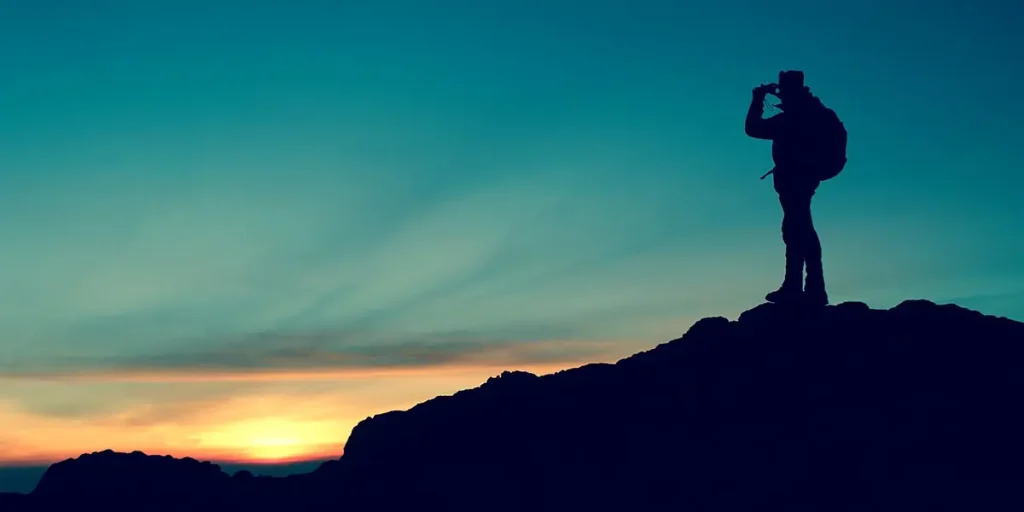
Gokyo Lake is a renowned haven for nature enthusiasts, offering breathtaking panoramic views of the Himalayas, including the majestic Everest, as well as abundant flora and fauna. This has led to a surge in demand for trekking in this captivating destination, with travelers seeking to immerse themselves in its unparalleled beauty.
One of the highlights of the Gokyo Lake trek is the ascent to the summit of Gokyo Ri. From this vantage point, trekkers are treated to a mesmerizing sight of the four highest mountains in the world: Mount Everest (8,848m), Lhotse (8,516m), Makalu (8,463m), and Cho Oyu (8,201m), along with several other magnificent peaks.
In addition to the incredible natural surroundings, Gokyo Lake offers excellent accommodation options that cater to the needs of trekkers. Furthermore, travelers are delighted by the diverse culinary offerings available, ranging from cultural and Indian cuisine to continental and Chinese delicacies. Surprisingly, these amenities are provided at affordable prices, making the trekking experience in Gokyo Lake even more appealing.
Gokyo Ri

Standing at 5,357 meters (17,575 feet), Gokyo Ri offers one of the most spectacular mountain panoramas in the entire Himalayas. While the peak might look deceptively small from the village of Gokyo below, don’t be fooled – this summit climb is both the highlight and the challenge of your entire trek.
How Long Does It Take to Summit Gokyo Ri?
The climb from Gokyo village to the summit typically takes 2-3 hours, though some trekkers complete it in as little as 1-2 hours if they’re well-acclimatized and moving at a steady pace. Most people take between 2-3 hours for the climb up as they take their time and enjoy the beautiful landscapes in all directions.
The elevation gain is approximately 600 meters (about 1,970 feet) from Gokyo (4,800 meters) to the summit, which makes it a significant altitude gain in a relatively short distance. The trail isn’t technically difficult, but the thin air and steep sections will definitely test your endurance.
Don’t underestimate this climb just because it’s “only” a few hours. At 5,357 meters elevation, approximately 55% of the oxygen level is present in the air compared to sea level where we normally breathe at 96% oxygen. This significant reduction means every step requires more effort, and altitude sickness becomes a real concern.
As you ascend, oxygen levels drop, increasing the risk of altitude sickness (AMS). Proper acclimatization, hydration, and a steady pace are essential to avoid AMS. The key is listening to your body and not rushing the ascent, no matter how excited you are to reach the top.
For further details on trekking routes, costs, itineraries, and even free gifts, interested individuals can reach out via email to info@pristinenepal.com. This valuable resource will help travelers plan their Gokyo Lake adventure and ensure a memorable and fulfilling experience in this enchanting Himalayan paradise.
