


High up in the icy slope of the Mount Everest there lies a iconic sight “ the body of a climber wearing bright green boots” . Simply known as “Green Boots Everest”. That unidentified climber has become a tragic yet famous landmark among the climbers, committing Mount Everest from the Northern Ridge Route. Over the course of the years, Green boots in Everest has symbolized the risk and danger of high altitude climbing and ruthless reality of Mount Everest Expedition.
In this blog we will explore both reality and conspiracy behind the Everest Green boots, the tragic 1996 Everest Expedition.
History of Green boots Guy
Typically the term “Green Boot” doesnot refer to a person name, it refers to the body found in a cave at around 8,500 meters on the northen ridge of Mount Everest, wearing neon green climbing boots. This body has remained in the same spot for more than a decade, which is passed by almost every climber climbing through the northen ridge route.
The first recorded video footage of Green Boots was filmed by British filmmaker and climber Matt Dickinson in May 1996, Which was included in the Brian Blessed documentary Summit Fever.
In 2014, Green Boots was moved to a less conspicuous location by members of a Chinese expedition likely by the China Tibet Mountaineering Association, which manages the north side of Everest.
Who was Tsewang Paljor?
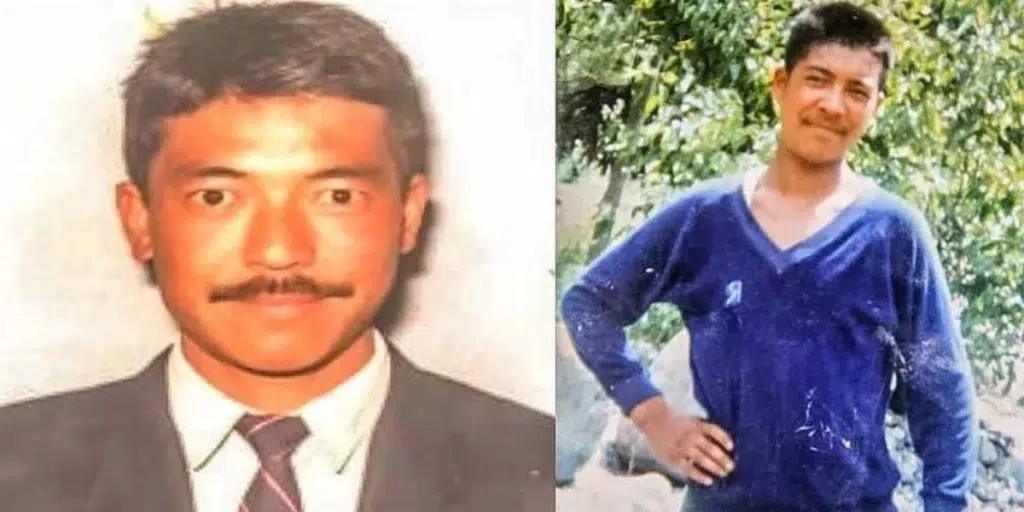
Tsewang Paljor was an Indian Climber. He was born in Sakti village, Ladakh. He was 28 years old when he joined an Expedition Team to climb Mount Everest in may 1996. He was also a part of Indo Tibetian Border Police (ITBP).
Paljor and his team were commited to climb Mount Everest thorugh Northen Ridge, which was less travelled by Indian climblers in that time.
On May 10, 1996, he along with two other team members reached the summit during powerful snow strom. After then Tsewang Paljor never returned. It is widely believed that the person known as “Green Boots”, a body found in the small cave around 8,500 meters wearing distinctive green Koflach mountaineering boots is Tsewang Paljor. Although it was never officially confirmed, it is accepted based on the timeline and clothing .
What was the Tragic 1996 Everest Expedition?
The year 1996 is considered one of the fatal year to summit Mount Everest in the history, during when 15 deaths were recorded. The major reason for maximum failure in summit was bad weather, poor decision, and over crowding.
The right decision and proper experience is required to summit the Mount Everest. Due to the advancement of technology, gears and equipment now a days the death rate in Mount Everest is comparatively low.
What happened to the indian team?
- On May 10, 1996, the Indian climbers were hit by a violent storm.
- Tsewang Paljor and his teammates reached the summit but never returned.
- Paljor is believed to have taken shelter in a small rock cave, where he died.
How did green boots die ?
The Green boots, believed to be Tsewang Paljor, died on may 10, 1996, during his decent from the summit of Mount Everest. It is believed that the death ocured in the “Death zone”.
Likely causes of death of Green Boots:
- Exposer to extreme cold
- Lack of oxygen
- Exhaustion
- A violent snowstorm
What happened to the other two climber who were summiting with green boots?
Tsewang Paljor aka Green boots was part of a three man summit team from Indo Tibetian Border Police during the 1996 Everest Expedition.The other two climbers who attemped the summit with him were Dorje Morup and Subedar Tsewang Samanla.
Here’s what happened to them:
Subedar Tsewang Samanla (Team Leader):
In the team he was the most experienced member. After the team reached the summit, Samanla tried to guide the them back down. However, they were caught in a violent snowstorm during the descent. It is believed that he did not survive and have died near the same area as Green Boots, though his body was never clearly identified.
Dorje Morup:
Morup may have been separated from Paljor during the descent. According to some reports, he was seen alive by a Japanese climbing team, but he was in very bad condition. He was later found dead lower down on the mountain. Some speculate that he tried to descend for help but didn’t make it far.
Why is Green Boots the Famous Body on Everest?
There are multiple dead body in Mount Everest but Green Boots is most recognized due to the visble landmark, location on the major route , Media and Documentary coverage and the tragic story behind it.
It significantly symbolizes the risk of the Mount Everest Expedition.
Is Green Boots Still on Everest?
For very long time, Green boots remains in the same cave of Mount Everest on the northen ridge. However around 2014, report suggests that the body was moved.
Current status
His body may have been relocated or buried with rocks.
No official confirmation exists, so he may still be visible, especially during the spring climbing season when snow melts.
Mother’s Disapproval to His Everest Expedition
Initialy, Tsewang Paljor’s mother did not want her son to summit Mount Everest. Like most parents, she feared for his safety. Which ultimately was proven to be right.
- Emotional Side:
- Paljor promised to return safely.
- His death deeply affected his family and became a national tragedy in India.
Why Are Dead Bodies Not Removed from Everest?
Dead bodies are not usually removed or recovered from Mount Everest because doing so is extremely dangerous, difficult and expensive. It is reported that there are more than 200 bodies lying on the mountains.
Here’s why dead bodies are not removed from Everest:
- Dangerous Conditions:
Most bodies are located in the “Death Zone” (above 8,000 meters), where oxygen is very low, and temperatures are freezing. Removing a body from that altitude puts rescuers at high risk. - Bodies are Frozen and Heavy:
At high altitude, dead bodies freeze solid and often become stuck in ice or snow. Making it very difficult, more or less impossible to retrive. A frozen body can weigh over 150 kg, making it nearly impossible to move. - Lack of Rescue Infrastructure:
There are no helicopters or machines that can safely operate at such high altitudes to assist with body recovery. Most of the work must be done by hand, with very limited oxygen. - Extremely Costly:
Retrieving a single body from Everest can cost you $30,000 to $70,000 or more. The pricing is also determined on the basis of, where the body is located and the required resources to retrive it. Depending on the location and resources requied price can vary. Many families can’t afford this.
Death Zone in Mount Everest

Death Zone is the area on Mount Everest or any other mountain that lies above 8,000 meters, where the oxygen level is very low and a normal human body can not survive without additional oxygen. This is where most deaths on Mount Everest takes place, living up to the name.
Key facts about Death Zone on Mount Everest
- low Oxygen
- Body Deterioration Begins
- Increased Risk of Altitude Sickness
- Limited Time to Survive
- Difficult Rescue Operations
Lessons from the Green Boots Legacy
The story of Green boots is not just a tragic story it’s a lession to be learned by every climber, how costly can a summit be if you make poor decisions. We need to respect the mountains, its not only about the adventure all the time, a right decission and a right call determines it all.
His presence on Everest stands as a symbol of courage, risk, and reality.
FAQ
Where can we buy Jim Green Boots?
Jim Green Boots is a South African Footwear Company. You can buy the boots from their official website or a trusted retailers.
Where is Green Boots on Mount Everest?
Green Boots is located in the death zone of Mount Everest which is above 8,500 meters. On the Northen ridge of Mount Everest above death zone, inside a cave that was used as a resting point by climbers, you can see Green Boots.
Who is Green Boots on Mount Everest?
Tsewang Paljor, a Indian Climber is widely believed to be Green Boots on Mount Everest.
