


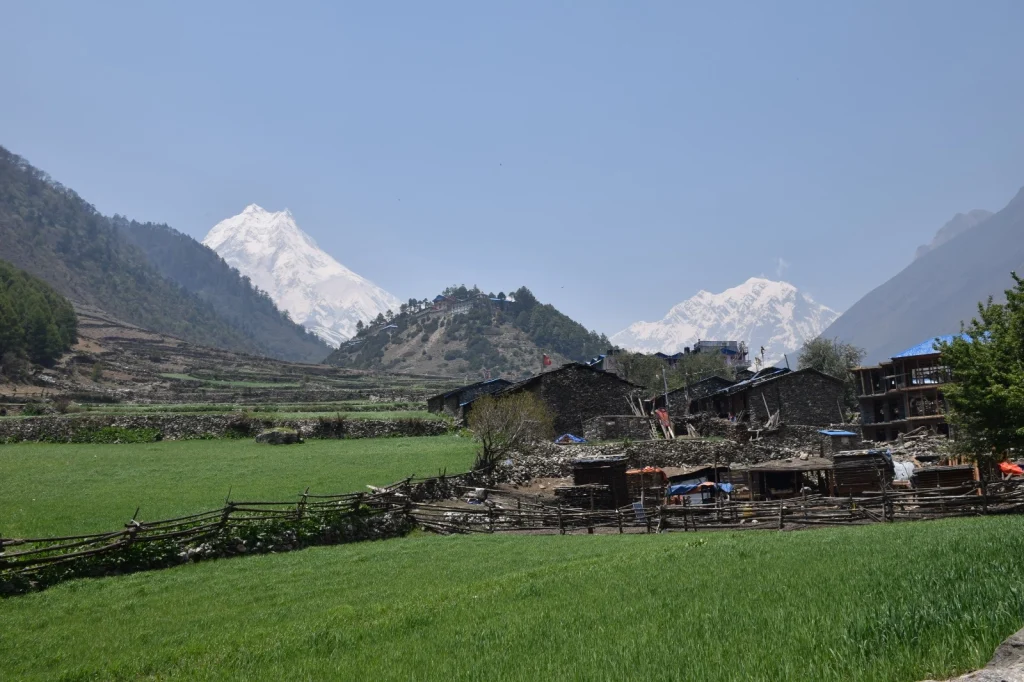
Imagine a place where time slows down, where ancient traditions thrive amidst majestic Himalayan peaks that are over 6,000m with snow covered.
This is not Everest Base Camp nor Annapurna Base Camp. This is Tsum Valley, Nepal’s best-kept secret, a destination that promises more than just a trek located in Manaslu region.
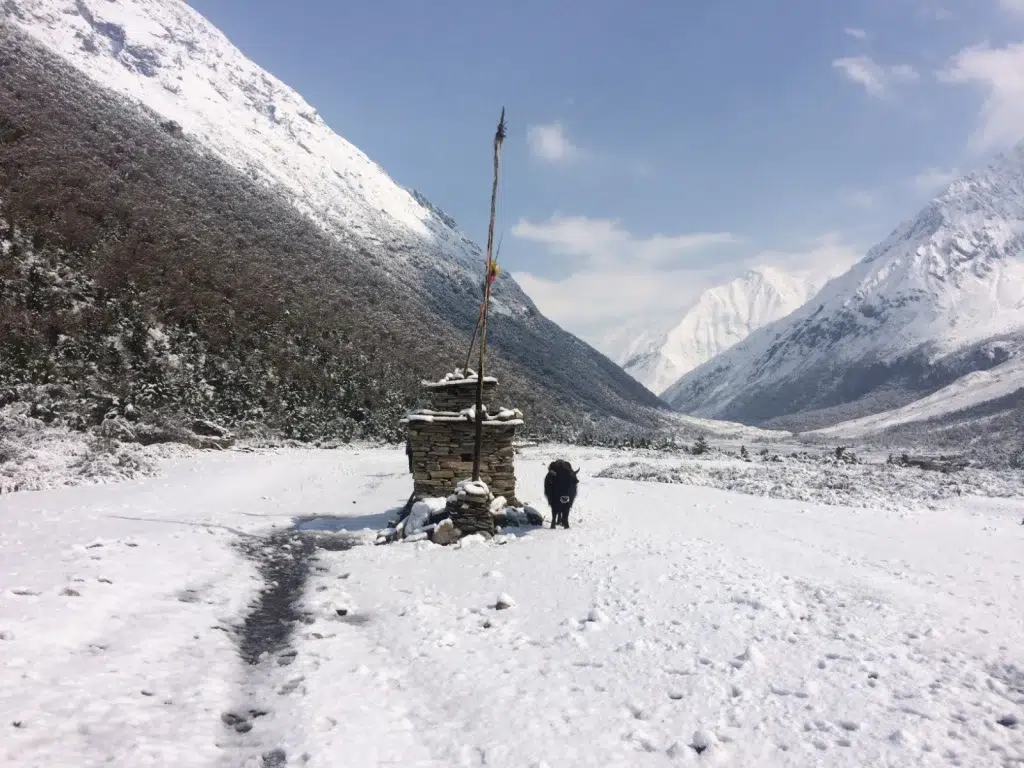
Tucked away in the Western Himalaya of Nepal, within the Manaslu Conservation Area, Tsum Valley is a remote, spiritual basin that remained restricted to foreigners until 2008. This isolation has preserved its unique cultural and ecological integrity, making it a true “hidden gem” for tourists. Moreover, it is the traditional homeland of the Tsumba Indigenous peoples, known for their distinct Tsumke dialect and deep connection to Tibetan Buddhism.
So, the delayed opening of Tsum Valley to tourism in 2008 was a deliberate and effective strategy for preserving its unique biocultural landscape.
Aside from its history, let me tell you why the Tsum Valley Trek is a must visit place in Nepal:
- Crowd Escape Adventure to enjoy nature: You like peaceful place to enjoy and reflect in nature, right? So, unlike the often-crowded trails of Everest Base Camp or the Annapurna Circuit, Tsum Valley offers a serene “crowd escape” experience.
- Profound Spiritual Sanctuary: Tsum Valley is revered as a “beyul” (sacred hidden valley refuge), one of 108 such places believed to have been established by Guru Padma Sambar in the 8th century to protect Buddhism. It is widely considered a “magnificent and wonderful spiritual land”. The valley boasts over 92 monasteries and gumbas, including highly significant sites like Rachen Monastery and Mu Gompa.
- The Unique Shyagya Tradition of Non-Violence: The cornerstone of Tsum Valley’s identity is the “Shyagya” tradition, a profound and enduring commitment to non-violence. This practice, deeply rooted in Buddhist principles, bans killing any life form, from insects to trees.
- Pristine Natural Beauty and Rare Wildlife: The trek traverses diverse ecological zones within the Manaslu Conservation Area. Trekkers will witness stunning landscapes of lush forests, deep valleys, cascading waterfalls, and roaring rivers. The valley provides excellent habitat for wild animals, offering opportunities to spot elusive species such as blue sheep, musk deer, Himalayan thar, and even the rare snow leopard.
- Commitment to Responsible Tourism: Compulsory permit requirements, mandatory licensed guide, and minimum group size for Tsum Valley are not just bureaucratic hurdles but critical mechanisms for ensuring trekker safety, preserving the delicate ecosystem and culture, and promoting sustainable tourism. These restrictions ensure that tourism revenue directly benefits the local economy and supports community development initiatives, reinforcing the “responsible tourism” aspect. This approach filters for trekkers who value authenticity, peace, spiritual engagement, and are prepared for a more authentic, less commercialized adventure.
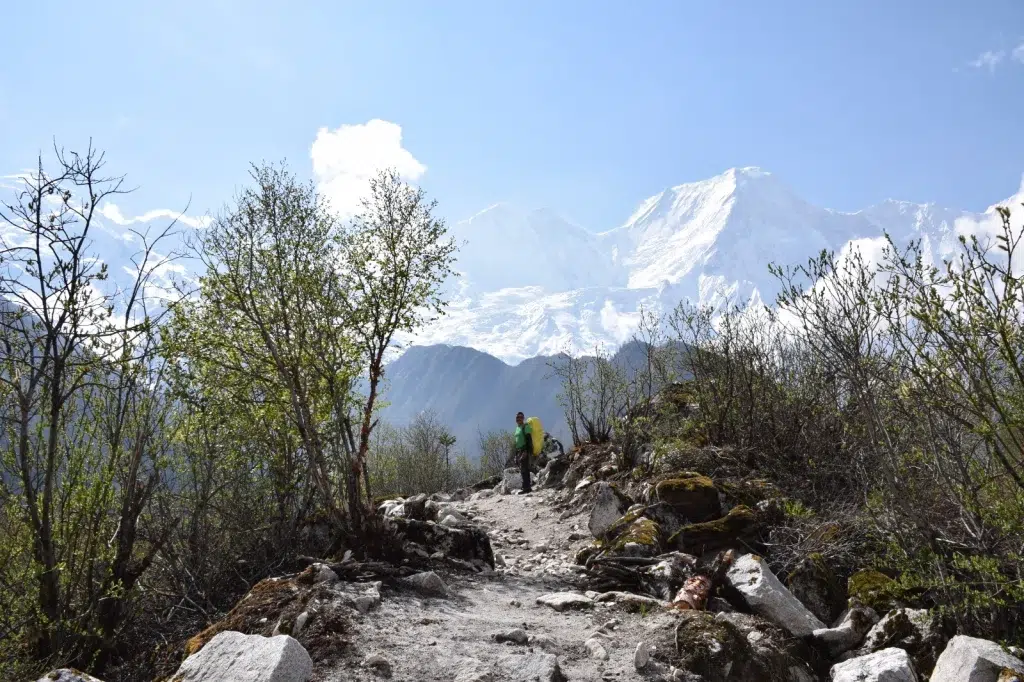
By limiting the volume of tourists, the authorities and local communities have successfully maintained the valley’s pristine environment, natural beauty, and cultural integrity. This approach stands in stark contrast to the bustling and often crowded trails of Everest Base Camp or the Annapurna Circuit.
The “less crowded” nature of Tsum Valley is a direct consequence of this protective policy, establishing it as a major draw for travelers seeking authenticity and tranquility.
This makes Tsum Valley an unparalleled off-the-beaten-path experience, where genuine cultural immersion meets pristine natural beauty, far from the typical trekking crowds. It is truly a journey into a “Valley of Peace“.
Key Monasteries and Spiritual Sites in Tsum Valley
| Site Name | Significance | Location/Altitude | Key Figures Associated |
| Piren Phu Cave | Milarepa’s meditation site, footprint on stone | Tsum Valley | Chipchun Milarepa |
| Rachen Monastery | One of the most significant monasteries, major nunnery | Tsum Valley | Drupa Rinpoche |
| Mu Gompa | One of the most significant monasteries, highest point of trek (3700m) | Near Nile, 3700m (12,139ft) | Drupa Rinpoche |
| Shringi Monastery | Famous meditation and knowledge center | Lap of Shringi Himal | Rhezen Lama |
| Gumba Lungdang | Nunnery housing around forty nuns | 3200m | |
| Dephu Doma Gompa | Monastery | Tsum Valley | |
| Chi Phu Monastery | Monastery | Tsum Valley |
The Valley of Peace: Embracing the Ancient Shyagya Tradition

The cornerstone of Tsum Valley’s identity is the “Shyagya” tradition, a profound and enduring commitment to non-violence. This practice, deeply rooted in Buddhist principles, particularly “Ahimnsa Parodharma” – nonviolence as the most important aspect of Dharma – was first declared in Upper Tsum in 1920 and later reaffirmed and extended to Lower Tsum in 2012.
The Shyagya tradition is not merely a cultural custom but a powerful, community-driven, and now legally recognized, model of biocultural conservation that offers a unique ethical tourism proposition.
Its spiritual foundation stems from its deep connection to Tibetan Buddhist principles and its initiation by revered Lamas. The tradition’s rules are strict and comprehensive: they ban killing any life form, from insects to trees.
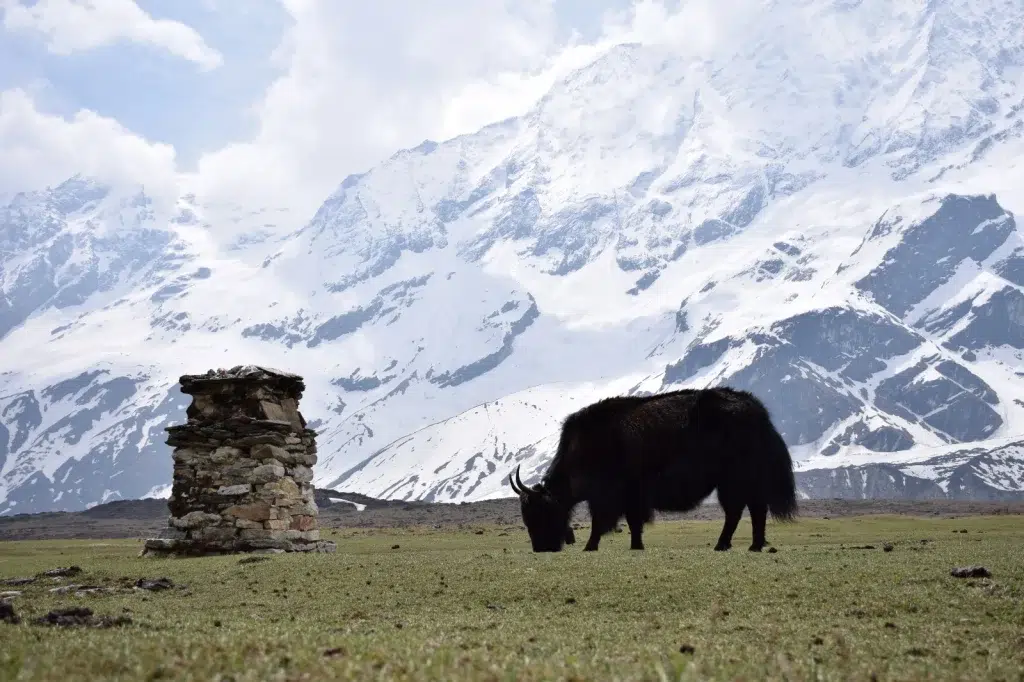
Specific prohibitions include no animal slaughter, hunting, setting traps, honey-hunting, or burning forests. It even extends to prohibiting the sale of livestock for meat and the import or export of animals for meat business. This unwavering commitment has fostered a unique ecosystem where “wildlife is intact and (allowed to) move freely”, effectively transforming the valley into an “open natural museum”.
This community-led conservation effort is remarkable as it predates official protected areas like the Manaslu Conservation Area.
The commitment to Shyagya is not a one-time declaration but is actively sustained and reaffirmed through cultural rituals and festivals, such as Saka-Dawa and the Shyagya festival itself.
A significant recent development is the legal recognition of this customary rule through the passing of the Tsum Shayagya Act 2079 B.S. (2022 AD).
This legal backing solidifies the tradition’s status, making adherence a duty for both locals and tourists, and ensuring its longevity and effectiveness. This makes Tsum Valley highly appealing to travelers interested in ethical tourism, spiritual journeys, and a truly harmonious interaction with nature.
It serves as a powerful distinguishing feature that sets it apart from conventional trekking destinations.
A Journey Through Time: The Rich Tsumba Culture and Lifestyle
Tsum Valley is the cherished home of the indigenous Tsumba people, an ethnic group of Tibetan origin, who speak their unique dialects, Tsumke or Tsumba, heavily influenced by Tibetan language and culture.
Their high-altitude traditional settlements are living embodiments of cultural richness, profound spirituality, and a harmonious bond with the natural world.
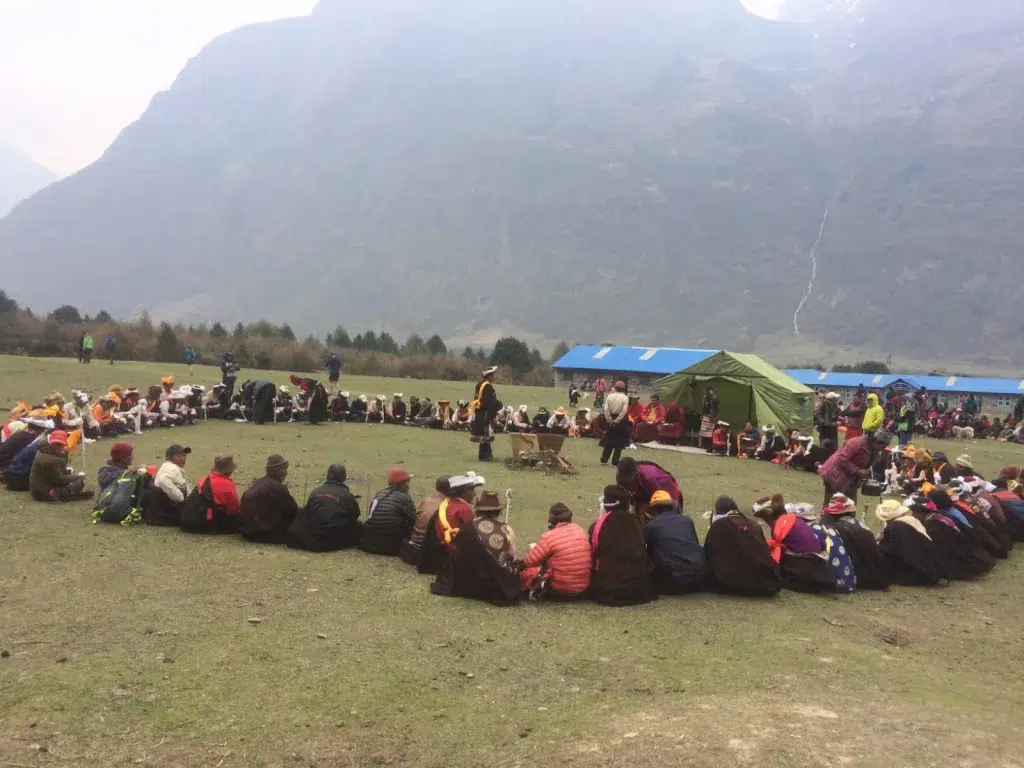
The Tsumba community’s self-governance, traditional arts, and reliance on indigenous medicine demonstrate a resilient and self-sufficient culture largely untouched by external modernization, offering an authentic cultural immersion opportunity.
The geographical isolation of the valley, being “four days’ walking distance from the nearest road” and designated as a “restricted area” until 2008, has significantly limited external influences. This isolation fostered a strong internal community structure, where the Tsumba practice a customary communal lifestyle with elected village leaders.
These leaders include the Ghenchen (primary leader), Syara (clan leaders), and Ghyange (enforcers of rules). Periodic assemblies are held where heads of households actively participate in decision-making.
Their traditional livelihood largely depends on agriculture, cultivating crops such as wheat, maize, millet, and potatoes, alongside animal husbandry. The community’s ability to “take and enforce decisions about the use of irrigation, arrange Ne-Tonle (a harvest ritual in September), and they manage and arrange Chyokor” further highlights their remarkable self-reliance.
Traditional arts and crafts are integral to their cultural identity. These include intricate Thanka paintings, detailed stone carving (particularly Mani walls adorned with carved prayers believed to bring good luck), and traditional woven clothing like bakhu and dhoja, as well as carpets known as “galaicha”. Their unique houses are constructed with Mani-walls, reflecting a deep adherence to Buddhist philosophy.
In the absence of modern health infrastructure, traditional doctors known as Amchi play vital roles in the Tsum region.
These Amchi possess extensive knowledge of herbal medicines, holding exclusive rights to collect and distribute them, which also ensures their sustainable use. There are specialized Amchi for treating domestic animals, providing general medication for villagers, and offering poison treatment.
For trekkers, this rich cultural preservation translates into an “authentic cultural immersion” and a “unique chance to witness a way of life unaffected by modernization“. The warm hospitality of the Tsumba people, often described as “kind” and genuinely welcoming, offers a profound homestay experience.
Visitors can engage directly with residents, observe their straightforward and spiritual way of life, and be welcomed with traditional Tibetan buttered, salted tea and local foods. This direct interaction with a preserved lifestyle is a key differentiator from more commercialized trekking destinations.
Trekking the Tsum Valley: What to Expect on the Trail
The Tsum Valley trek is considered a “moderately challenging” trek, requiring a good level of physical fitness and preparation. While it may not be as physically demanding as some other high-altitude treks, it involves steep ascents and descents, rocky paths, and narrow trails along cliffs. Trekking poles are recommended for stability and to reduce strain on the knees.
The trek typically takes around 14 to 18 days to complete, depending on the chosen route and the inclusion of acclimatization stops.
The ideal trekking seasons are spring (March to May) and autumn (September to November), which offer clear skies, mild temperatures, and vibrant landscapes. Autumn, in particular, provides “temperate environmental conditions and transparent atmospheric conditions alongside remarkable mountain sights”.
The Tsum Valley trek’s “moderately challenging” nature and extended duration, combined with its diverse natural environment and wildlife, position it as an ideal adventure for trekkers seeking a comprehensive Himalayan experience beyond extreme physical demands, while still requiring careful preparation.
The “moderately challenging” aspect means it is accessible to a wider range of fit individuals, not exclusively elite mountaineers, broadening its appeal compared to “toughest remote treks”.
The typical 14-18 day duration signifies a commitment to a deep exploration of the region, allowing for thorough acclimatization and a more immersive cultural experience, rather than a quick, superficial journey.
The trek traverses diverse ecological zones within the Manaslu Conservation Area. Trekkers will witness stunning landscapes of lush forests, including rhododendrons, pine, and juniper, alongside deep valleys, cascading waterfalls, and the roaring waters of rivers like the Budhi Gandaki, Syar River, and Shiarkhola.
The valley provides excellent habitat for wild animals, offering opportunities to spot elusive species such as blue sheep, musk deer, Himalayan thar, and even the rare snow leopard.
This rich natural payoff for the physical effort, combined with the extended immersion, makes it a highly rewarding experience for adventurous nature and culture enthusiasts.
The highest point reached during the trek is Ngula Dhoj Hyang (Mu Gompa) at approximately 3,700 meters (12,139 feet). Proper acclimatization is crucial to prevent altitude sickness. This involves a gradual ascent, taking designated rest days when necessary, maintaining adequate hydration, and consuming a high-calorie diet.
Tsum Valley Trek at a Glance
| Feature | Details |
| Typical Duration | 8 to 18 Days (often 14-18 Days) |
| Max Altitude | Mu Gompa: 3,700m (12,139ft) ; Ganesh Himal Base Camp: 4,200m |
| Difficulty | Moderate to Challenging |
| Best Seasons | Spring (March-May), Autumn (Sept-Nov) |
| Permits Required | Tsum Valley RAP, Manaslu RAP (if combined), MCAP, ACAP (if crossing Larkya La Pass) |
| Group Size Requirement | Minimum 2 trekkers |
| Guide Requirement | Mandatory licensed guide |
| Accommodation Type | Tea houses/lodges, homestays |
Typical Tsum Valley Trek Itinerary Highlights
| Day | Route Segment | Distance (KM) | Duration (Hours) | Altitude (Meters) | Key Highlights |
| Day 1 | Arrival in Kathmandu | – | – | 1400 | Arrival, hotel transfer |
| Day 2 | Permit Prep & Briefing | – | – | 1400 | Permit organization, last-minute shopping |
| Day 3 | Kathmandu to Machha Khola | 150.2 | 9-10 | 860 | Scenic drive through terraced fields, Gurung villages |
| Day 4 | Machha Khola to Jagat | 15 | 6-7 | 1340 | Cross Budhi Gandaki, reach Tatopani hot springs, police checkpoint |
| Day 5 | Jagat to Lokpa | 17 | 6-7 | 2240 | Climb to Salleri, views of Mount Sringi, enter Tsum Valley |
| Day 6 | Lokpa to Chumling | 6.3 | 4-5 | 2386 | Traverse rhododendron/pine forest, views of Ganesh Himal |
| Day 7 | Chumling to Rachen Gompa | 10.2 | 6-7 | 3240 | Follow Syar River, pass Rainjam, reach Chhokang Paro |
| Day 8 | Rachen Gompa to Nile & Mu Gompa (return to Nile) | 12 | 6-7 | Nile: 3361, Mu Gompa: 3700 | Visit Mu Gompa (highest point), explore ancient monastery |
| Day 9 | Nile to Gumba Lungdang | 20 | 7-8 | 3200 | Trek through forests, view mani walls, reach nunnery |
| Day 10 | Gumba Lungdang to Ganesh Himal Base Camp (return) | – | 7-8 | 4200 | Challenging ascent to Ganesh Himal Base Camp, scenic views |
| Day 11 | Gumba Lungdang to Lokpa | 15 | 6-7 | 2240 | Descend through forests, cross suspension bridges |
| Day 12 | Lokpa to Jagat | 10 | 6-7 | 1340 | Rejoin Budhi Gandaki River, pleasant descent |
| Day 13 | Jagat to Machha Khola | 15 | 7-8 | 860 | Descend to Lapubensi, pass quaint communities |
| Day 14 | Machha Khola to Kathmandu | 5 | 2-3 | 1400 | Drive back to Kathmandu, farewell dinner |
| Day 15 | Final Departure | – | – | 1400 | Departure from Kathmandu |
Conclusion: Your Unforgettable Tsum Valley Adventure Awaits
The Tsum Valley Trek is more than just a physical challenge; it is an invitation to a sacred, hidden world. From the profound “Shyagya” tradition of non-violence that shapes its pristine environment and unique culture, to the ancient monasteries echoing with spiritual chants, and the genuine warmth of the Tsumba people, every step in this valley is a discovery.
It is a journey for those who seek authenticity over crowds, spiritual depth over superficial sightseeing, and a truly immersive experience in the heart of the Himalayas. The majestic panoramic views of Ganesh Himal, Manaslu, and Himalchuli, combined with the chance to witness rare wildlife, make it a trek of unparalleled beauty and significance.
Are you ready to step back in time and discover Nepal’s ultimate off-the-beaten-path destination? Embrace the serenity, connect with ancient traditions, and embark on an unforgettable Tsum Valley adventure. Plan your sacred journey today and become part of the story of this remarkable “Valley of Peace.”