


Are you planning to capture stunning aerial views of the Everest Base Camp using your drone? Flying drones in Nepal especially in the Everest region requires careful planning, legal clearance, and strict compliance with the country’s aviation laws. This blog will drive you through about the detail information on drone permit requirements for Everest Region.
The rise of drone technology has changed how we document adventures, and for many trekkers heading to Everest Base Camp (EBC), capturing aerial footage is a dream. The Himalayas offer unmatched beauty from above, making drone footage both tempting and rewarding. However, flying drones in Nepal, especially in the protected Everest region, comes with strict regulations. Without the right permits, your drone journey can quickly turn into legal trouble.
This blog will help you understand the drone permit requirements for Everest Base Camp, key drone regulations in Nepal, Nepal Civil Aviation drone rules, and answer the common question: Is drone allowed in Everest trek?
Let’s dive into everything you need to know before you launch your drone in the world’s highest trekking region.
Is Drone Allowed in Everest Trek?
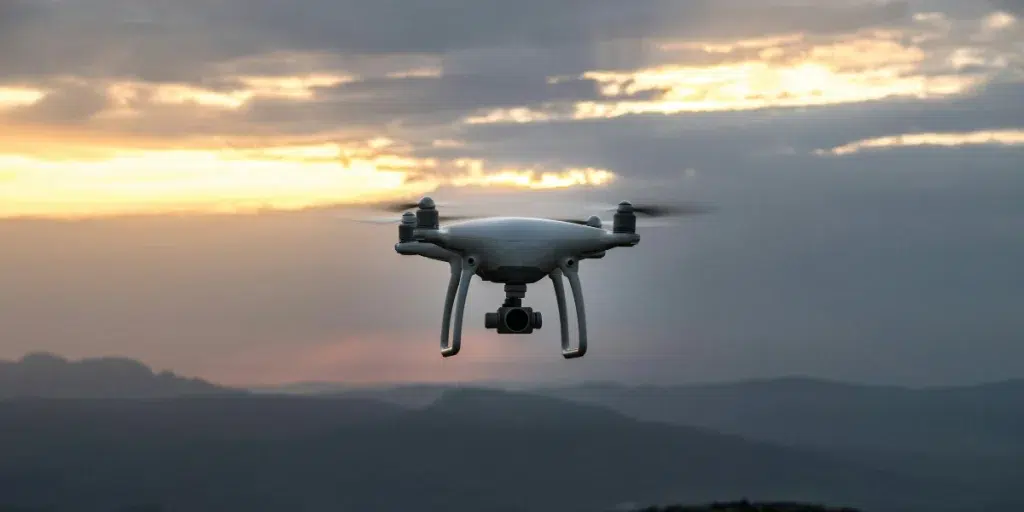
Many travelers wonder if drones are allowed in the Everest region. The short answer is yes but only with proper permissions. Due to its status as a UNESCO World Heritage Site and proximity to air traffic and military zones, flying drones here is highly regulated.
Key Points:
- Drone flying is legal with multiple government permits.
- Unauthorized use can lead to fines, drone confiscation, or legal action
- Permits must be obtained before entering the trekking region.
Importance of Permits for Drone in Everest region
Permits are not just a formality—they’re essential for legal operation, safety, and respec for the local environment and culture. Flying drones without approval in high-profile locations like Everest is seen as a serious offense.
Why Permits Matter:
- Ensures you follow Nepal’s drone laws.
- Helps avoid disturbing wildlife, monasteries, and trekkers.
- Demonstrates respect for local communities and regulations.
- Protects you from fines or arrest.
- Important for travel vloggers and commercial users who need legal content.
Types of Permits Required for Flying Drones in Everest Region
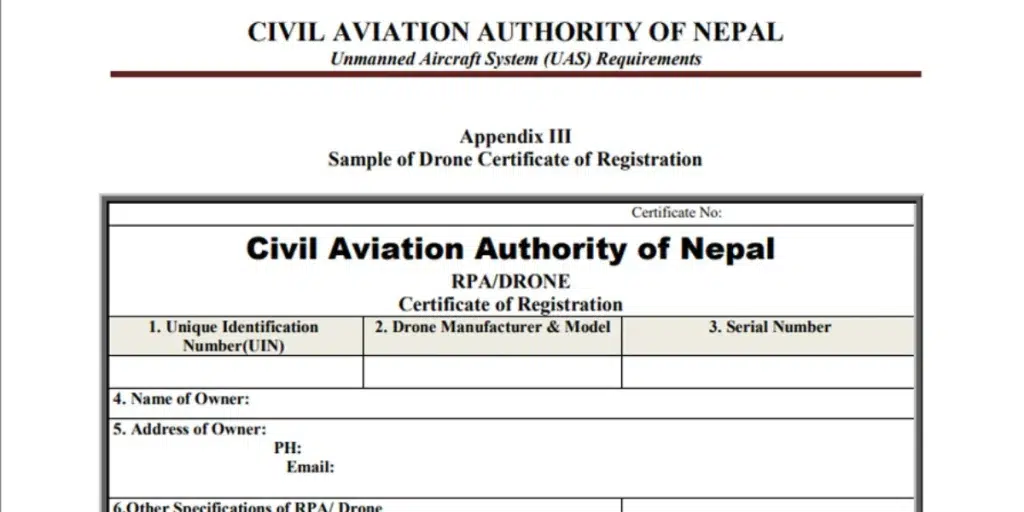
To fly a drone legally in the Everest region, you must get approvals from multiple government departments. Each has a different role—some ensure safety, others protect the environment and local people.
Permits Needed:
- Civil Aviation Authority of Nepal (CAAN) – Main authority for drone flight.
- Department of National Parks and Wildlife Conservation (DNPWC) – Because Everest is inside Sagarmatha National Park.
- Ministry of Home Affairs – For national security and surveillance concerns.
- Local Municipality/Village Council – For permission from the local community.
Step-by-Step Guide to Getting a Drone Permit in Everest Region
Getting a drone permit may sound difficult, but following the correct steps can make the process smooth. It’s best to start the application process at least 2–3 weeks before your trip.
Step-by-Step Process:
- Register your drone with CAAN and obtain a Unique Identification Number (UIN).
- Prepare a detailed application, stating the purpose of flying (tourism, vlogging, research, etc.).
- Attach required documents: passport, drone specs, serial number, insurance, and planned flight locations.
- Apply for approval from the Ministry of Home Affairs for national clearance.
- Submit a request to DNPWC for Sagarmatha National Park permission.
- Contact the local ward office or rural municipality for local-level approval.
- Keep printed copies of all approvals during your trek.
Common Mistakes to Avoid When Flying a Drone in Everest
Many travelers make simple mistakes that result in fines or the loss of expensive drones. By being prepared and informed, you can avoid these common errors.
Mistakes to Avoid:
- Flying without all required permits.
- Flying near Lukla Airport or other restricted airspaces.
- Operating drones in no-fly zones such as near monasteries or military posts.
- Flying in high winds or extreme cold without preparation.
- Not labeling your drone with the UIN or owner info.
- Using drones to film local people without consent.
No-Fly Zones and Restricted Areas in Everest Region
Not all areas in the Everest region are drone-friendly. There are specific locations where drone usage is completely banned for safety, cultural, and environmental reasons.
Restricted Areas:
- Lukla Airport (Tenzing-Hillary Airport)
- Military bases and checkpoints
- Monasteries and religious sites like Tengboche Monastery
- Villages with local ordinances against drone flying
- Sensitive wildlife habitats
Always consult updated maps or check with local authorities before flying.
Registration and Unique Identification Number (UIN)
Every drone in Nepal must be registered with the Civil Aviation Authority and must display a Unique Identification Number (UIN). This step helps authorities track and regulate drone usage across the country.
Details:
- You must fill out a Drone Registration Form from CAAN.
- You’ll need to provide drone make, model, serial number, and your personal details.
- After approval, CAAN provides a UIN, which should be visibly labeled on your drone.
Weight-Based Operational Classifications
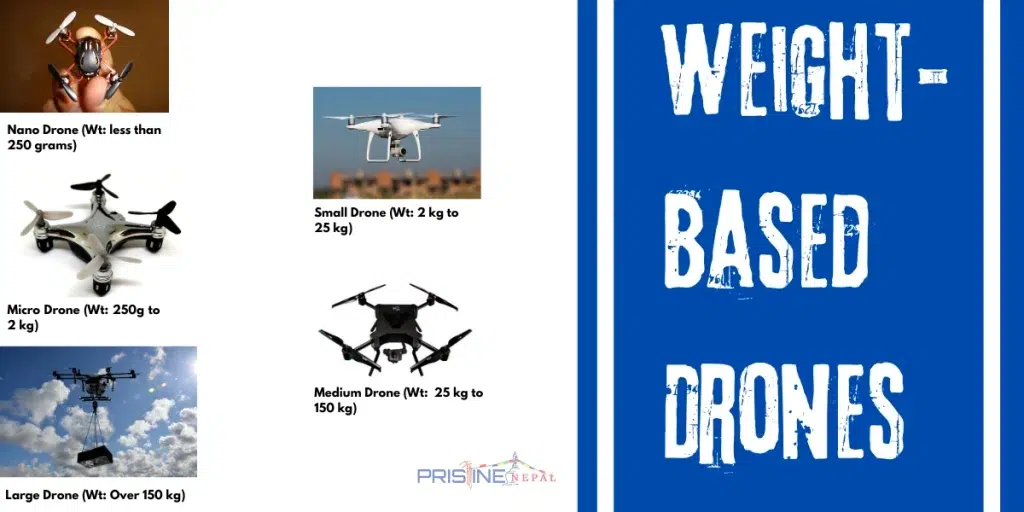
Weight Categories:
Drone rules in Nepal are based partly on the weight of the drone. Lighter drones may have fewer restrictions, while heavier ones require more detailed documentation.
Nano: Less than 250 grams
Still requires permission in national parks.
Micro: 250g to 2 kg
Most common for personal vloggers.
Small: 2 kg to 25 kg
Used by professional filmmakers.
Medium: 25 kg to 150 kg
Rare for tourism use.
Large: Over 150 kg
Used for industrial or military use only.
Altitude and Distance Limitations
Even with permission, drone use is restricted in terms of how high and how far you can fly. These rules help prevent interference with aircraft and ensure public safety.
Limitations:
- Maximum altitude: 120 meters (400 feet) above ground.
- Maintain at least 50 meters distance from people, animals, and buildings.
- Drone must always stay within your line of sight (VLOS).
- Avoid flying at night or in poor visibility.
Penalties for Violating Drone Laws in Nepal
Breaking Nepal’s drone laws can lead to serious consequences, especially in national parks and areas with active air traffic. Authorities do not hesitate to fine or detain violators.
Possible Penalties:
Heavy fines (can be NPR 100,000 or more)
Drone confiscation with no refund
Legal prosecution
Deportation for foreign tourists
Blacklisting from entering Nepal again
Pro Tips for Flying Drones in Everest Region
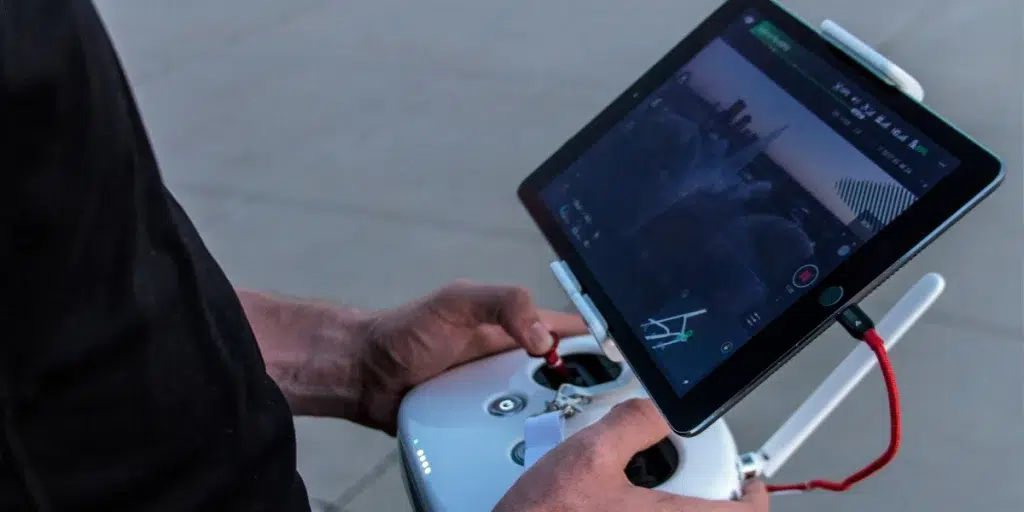
Flying in high altitudes like Everest Base Camp comes with technical and environmental challenges. Being prepared is essential for a successful drone shoot.
Tips:
Test your drone in cold conditions before the trek.
Carry extra batteries—cold drains them fast.
Avoid flying near mountain ridges where wind is stronger.
Bring ND filters for bright sunlight.
Respect local privacy and cultural sensitivity.
Conclusion
Flying a drone in the Everest region is a once-in-a-lifetime experience, but it must be done legally and respectfully. With rising drone activity, Nepal has tightened regulations to ensure safety, protect nature, and preserve the serenity of iconic places like Everest Base Camp.
By understanding the drone permit process, Nepal Civil Aviation drone rules, and the importance of local approval, you can enjoy the thrill of capturing the Himalayas from above—without breaking the law.
