


So, you have survived the steep climb to Namche and the winds of Dingboche. Now, you finally found yourself at the Lobuche. Lobuche, resting at an altitude of 4,900 meters (16,076 feet), is one of the key stops on the Everest Base Camp trek (EBC). It’s rugged, it’s cold and honestly, it’s one of the most atmospheric places on the planet.
But, known for its basic teahouses and stunning views of peaks like Nuptse, Pumori, and Lobuche East, the Lobuche stop offers an amazing landscapes with dramatic environment. However, due to its altitude, trekkers need to be cautious of Acute Mountain Sickness (AMS) becasue if do not treat this place with respect, the altitude will.
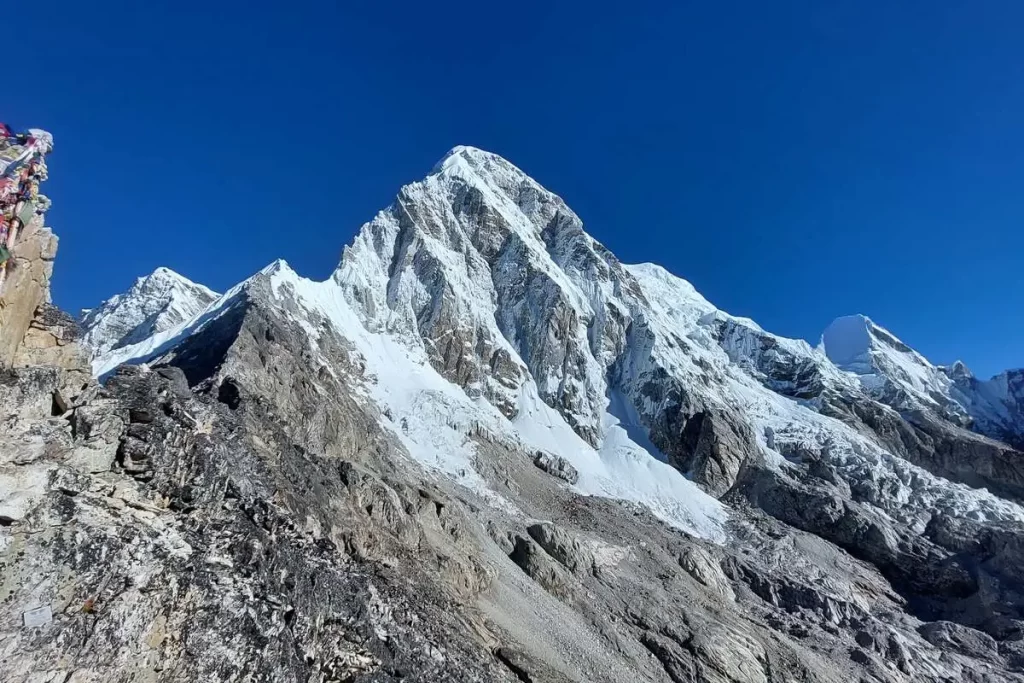
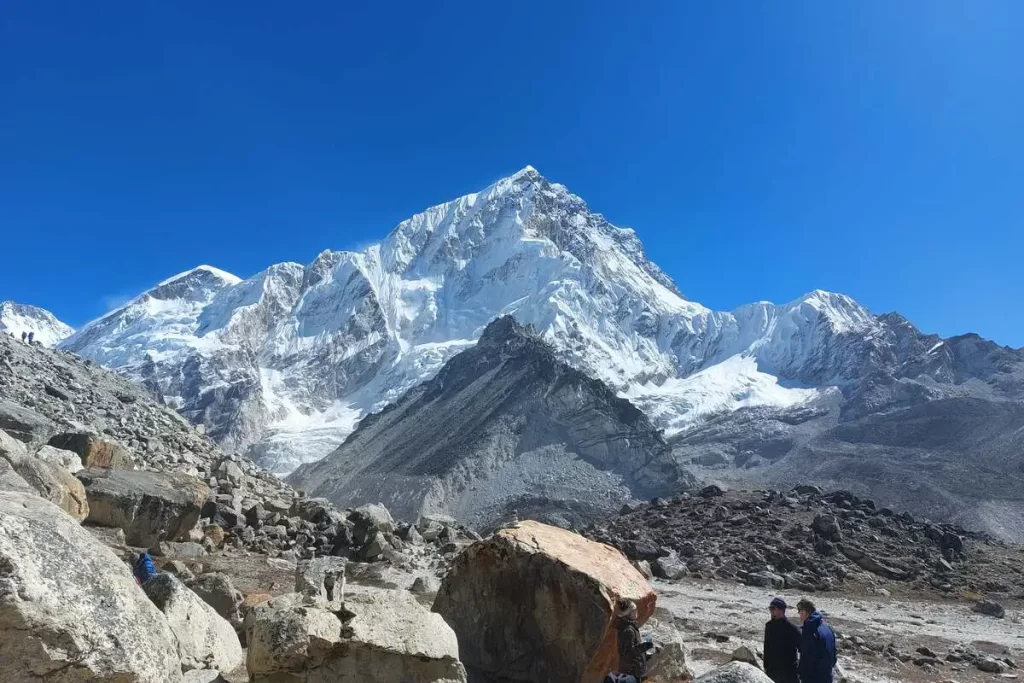

Lobuche atmosphere: Life at the Edge of the Khumbu Glacier
The atmosphere in Lobuche is defined by its high-altitude environment and proximity to towering Himalayan peaks. At an elevation of around 4,940 meters (16,210 feet), the air is thin and crisp, with temperatures often dropping significantly, especially at night. The climate is cold year-round, with snowfall common during the winter months and occasional icy winds sweeping through the area.
Due to the high altitude, the atmosphere can be physically demanding, and visitors may feel the effects of low oxygen levels. Roughly, 50% of oxygen level drops of what you’d find at sea level.
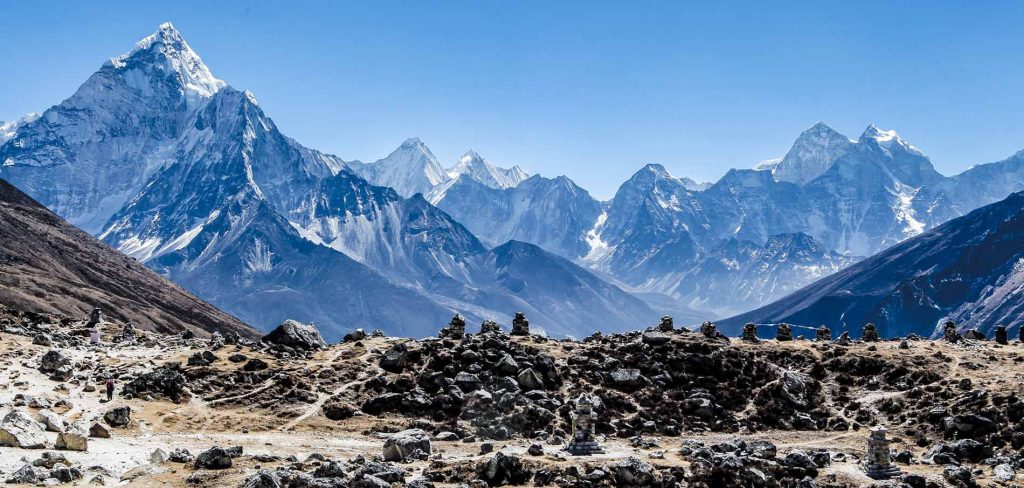
Therefore, proper acclimatization and preparation are essential to fully enjoy the beauty and serenity of Lobuche’s unique Himalayan atmosphere.
Iconic Himalayan Views from lobuche

Lobuche offers a stark yet stunning environment, with the surrounding peaks creating a surreal alpine setting. Some of the notable mountains visible from Lobuche include:
- Nuptse (7,861m): Its imposing south face dominates the view.
- Pumori (7,161m): A striking peak often admired by trekkers.
- Lobuche East and West Peaks: These peaks tower above the settlement, lending the lobuche stop its name.
- The Khumbu Moraine: Just a short walk from the lodges, you can look down upon the massive river of ice and rock that flows from Everest.
Trekkers can also enjoy views of the Khumbu Glacier and the vast, rugged landscape of the Everest region.
Accommodation & Food at Lobuche

Let’s be real for a second—Lobuche is remote. Everything here, from your toilet paper to your snickers bar, was carried up by a porter or a yak.
Thus, this Lobuche stop offers a limited range of teahouses and lodges, designed to provide basic comforts at high altitudes.
Where you will Sleep?
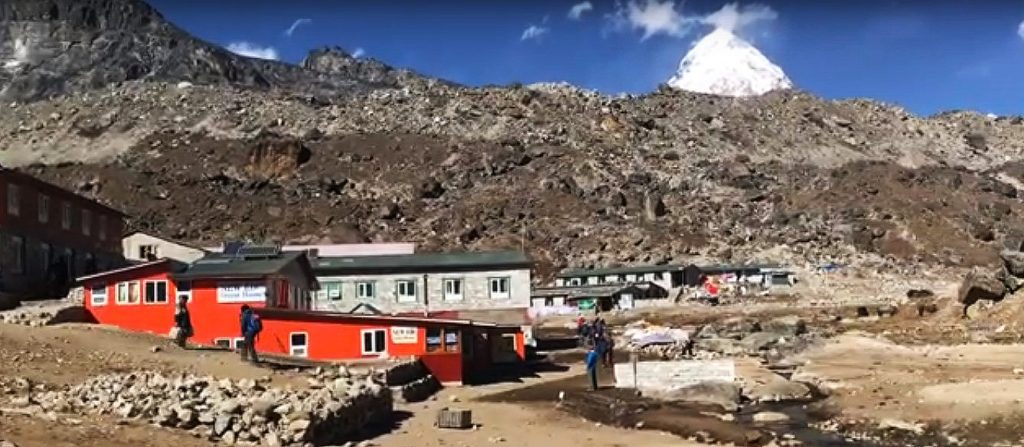
Accommodations are generally simple but sufficient, with shared common style rooms and limited amenities. Some lodges may offer private rooms, but availability can be scarce during peak trekking seasons.
Lodges like Eco Lodge or Oxygen Altitude offer basic rooms. Crucially, because space is so limited and this is a mandatory stop for every EBC trekker, pre-booking is not just a suggestion – it’s a necessity. During October or April, if you arrive late without a guide, you might end up sleeping on a dining room bench.
Food Options: What you will Eat?
Trekkers in Lobuche can find a variety of meals, primarily based on staple Nepali and Tibetan cuisine. Common menu items include:
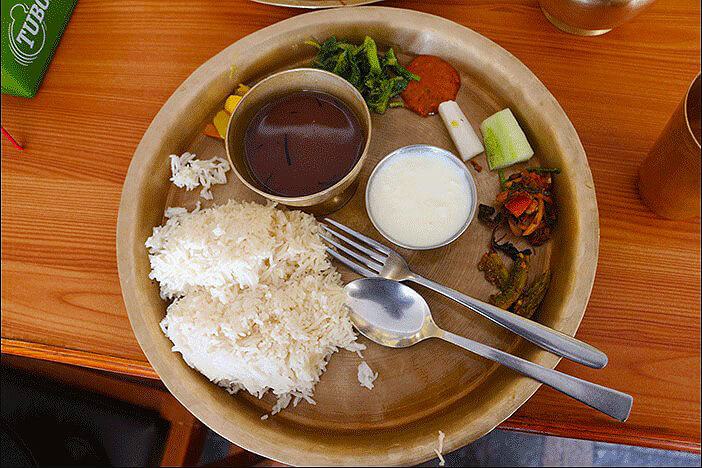
- Dal Bhat: A traditional Nepali dish of rice, lentil soup, and vegetable curry, known for its unlimited servings.
- Noodles and Soups: Hot noodle soups with vegetables or meat provide warmth and energy. Garlic soup is very popular among trekkers.
- Pasta and Pizza: Popular among trekkers looking for a taste of home.
- Snacks and Hot Beverages: Items like chocolate bars, biscuits, and tea or coffee are widely available.
It’s essential to stay hydrated and consume nutritious food at this altitude to combat fatigue and maintain energy levels.
Possible Risks and Challenges in Lobuche
Lobuche being at such high altitude, potentially brings various challenges to the trekkers. Here are some of the possible risk factors at 4940-meter lobuche.
- Altitude Sickness (AMS): The most common risk at Lobuche. Symptoms include headaches, nausea, dizziness, and shortness of breath. Proper acclimatization, hydration, and a slow ascent are crucial.
- Harsh Weather: The weather can change rapidly, with strong winds, freezing temperatures, and snowstorms being common.
- Limited Facilities: Basic medical supplies are available, but advanced care is far away. It’s important to carry a personal first-aid kit and necessary medications.
- Fatigue: By the time trekkers reach Lobuche, they may already feel physically and mentally exhausted from previous days of trekking.
FAQ: Your Lobuche Questions Answered
Why is Lobuche important on the Everest Base Camp trek?
Lobuche is one of the last stops before reaching Everest Base Camp and Kala Patthar. It provides trekkers with a place to rest, acclimatize, and prepare for the final stages of the trek.
Can Lobuche be a base for climbing Lobuche East Peak?
Yes, Lobuche is a base camp for climbers aiming to summit Lobuche East Peak, a popular trekking peak in the region.
What is the weather like in Lobuche?
The weather in Lobuche is cold year-round, with temperatures often below freezing at night. Snowfall is common, especially in winter, and the air is generally dry and windy.
How far is Lobuche from Everest Base Camp?
Lobuche is approximately 8 kilometers (5 miles) away from Everest Base Camp, with the trek usually taking 5-7 hours depending on the pace.
