


Everest Base Camp Trek is more than just a trek; it’s a personal challenge that attracts people from all corners of the world. The trail takes you through rugged landscapes, changing weather, and high altitudes where even simple tasks can feel tougher. In these conditions, every bit of preparation matters. Along with proper clothing and good fitness, having the right mix of electronic and non-electronic gadgets for Everest Base Camp Trek can make your days on the trail safer, more comfortable, and much easier to manage.
Why Gadgets Matter on the Everest Base Camp Trek
The Everest region is remote. There are no road connections, and facilities reduce as you go higher. Hot showers, internet, and power supply are either limited or costly. Weather changes quickly, and temperatures can drop below freezing even in peak seasons.
The right gadgets help you:
- Stay warm and safe
- Charge important devices
- Navigate the trail
- Record memories
- Communicate in case of emergencies
- Improve comfort at high altitude
- Avoid unnecessary risks
Whether you are a solo trekker, a photographer, or someone trekking with a guide and porter, these gadgets will help you complete the journey smoothly.
1. Essential Electronic Gadgets for Everest Base Camp
Below are the most useful electronic items for trekking to EBC.
1.1 Power Bank (Highly recommended)
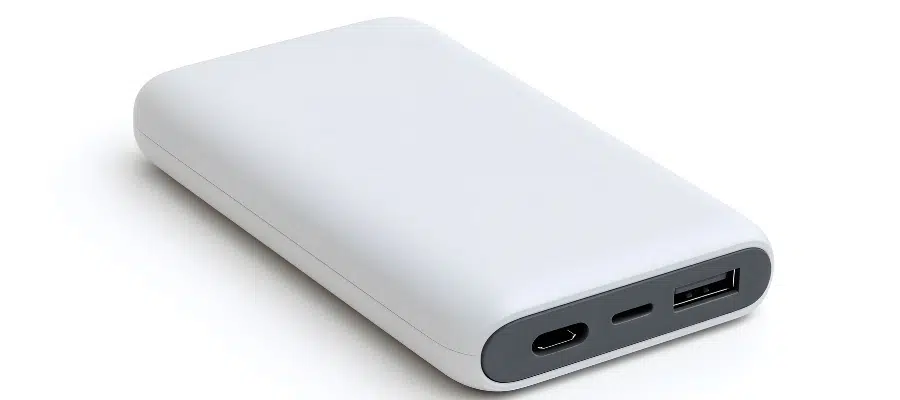
Electricity is not free above Namche Bazaar. Most teahouses charge extra fees for charging phones or cameras. The price may rise as you trek. During cold nights, batteries drain faster. A strong power bank helps you stay powered throughout the trek.
Recommended Features:
- At least 20,000 mAh
- Fast charging
- cold-resistant
- Dual USB ports
1.2 Solar Charger or Solar Power Bank
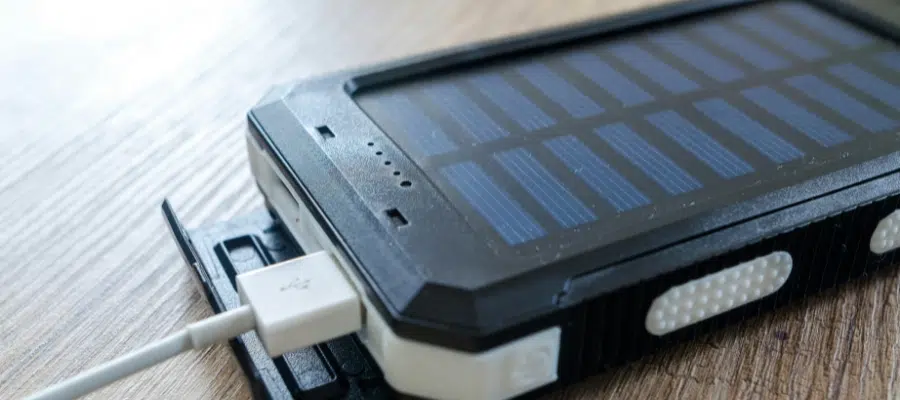
A solar charger works well during sunny days above 3,000m, where the air is clearer. You can hang it on your backpack and let it charge as you walk.
Why important:
Helps recharge when power banks run out, and teahouse charging is costly.
1.3 Headlamp / LED Head Torch
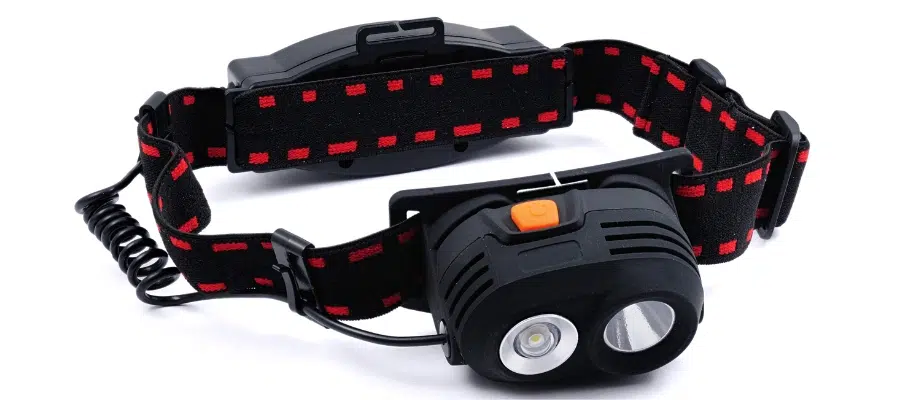
A headlamp is one of the most essential pieces of equipment for EBC.
- Early morning hikes (e.g., Kala Patthar sunrise hike)
- Power cuts inside teahouses
- Walking around the village at night
- Bathroom breaks after dark
- Features to look for:
- Waterproof
- Long battery life
- Rechargeable preferred
1.4 Smartphone (with Local SIM or eSIM)
Your phone works as a GPS device, camera, notebook, and emergency communication tool.
Useful apps to download:
- Maps.me or AllTrails (offline maps
- Weather apps
- Google Translate
- Ncell or NTC app for checking data
Tip:
Buy an Ncell SIM at Kathmandu Airport for better coverage at higher altitudes.
1.5 Trekking Watch / Smartwatch with Altimeter
A watch with altitude tracking helps you monitor your ascent rate. Climbing too fast can cause altitude sickness. Popular watches include Garmin, Suunto, and Apple Watch Ultra.
Helpful features:
- Altimeter
- GPS
- Heart rate monitor
- Compass
1.6 Camera (DSLR, Mirrorless, or Action Camera)

The Everest region is one of the most beautiful places on Earth, and you may want to capture everything.
Popular choices:
- GoPro (lightweight, durable)
- Sony A6400 or A7 series
- Canon EOS R series
- DJI Pocket 3
- Extra items to carry:
- Spare batteries
- Extra memory cards
- Waterproof case if using GoPro
1.8 Noise-Cancelling Earbuds / Headphones
Great for:
- Sleeping in noisy teahouses
- Enjoying music or meditation
- Blocking wind sounds
- Lightweight earbuds are recommended.
1.9 GPS Device (Optional for guided treks)
If you are trekking alone or prefer high-level safety, a standalone GPS device like Garmin inReach helps with:
- Accurate tracking
- Offline navigation
- SOS signals
1.10 Charging Cables and Adapters
Carrying the right charging cables and adapters is very important on the Everest Base Camp trek, where electricity can be limited and often comes with an extra cost. Make sure you bring durable, fast-charging cables for all your devices—your phone, camera, smartwatch, power bank, and headlamp. A universal travel adapter is also necessary because Nepal mainly uses Type C outlets. Having an extra cable or two is helpful in case one breaks due to cold weather or frequent use. Keeping everything organized in a small waterproof pouch makes it easier to manage your charging time at teahouses, where outlets may be few and shared among many trekkers.
4. Tips for Using Gadgets at High Altitude
Keep electronics warm
Wrap them inside your jacket or sleeping bag at night.
Download everything offline before the trek
Maps, music, movies, books, and important documents.
Turn on battery saving mode
Helps your phone last longer during long trekking days.
Do not depend fully on your phone
Always keep a backup (paper map or printed itinerary).
Buy charging packs in Kathmandu
Cheaper and more options than Lukla or Namche.
Note: although you need the essential items for the trek, make sure you only carry the essential items. Don’t overpack because you are only allowed to carry 15kg overall ( hand carry and duffle bag included) . We suggest you to pack according to your needs only.
6. FAQs About Gadgets for Everest Base Camp Trek
1. How many power banks do I need for the EBC trek?
One strong 20,000 mAh power bank is enough for most trekkers. If you carry a camera, smartwatch, or GoPro, bring two.
2. Can I charge my phone everywhere?
Yes, but charging is not free above Namche Bazaar. You will pay per device. Some villages even charge extra for fast charging.
3. Do I really need a solar charger?
Not necessary, but helpful. If you trek slowly or have many devices, solar charging can save you money.
4. Should I bring a DSLR or GoPro?
A GoPro is easier to carry and works better in cold weather. If you are serious about photography, a DSLR or mirrorless camera is great, but heavier.
5. Is there mobile network on the EBC trek?
Yes. Ncell has good network coverage in most villages. Internet is available but sometimes slow.
6. Do batteries drain fast in the cold?
Yes. Camera batteries and phones drain 2–3 times faster. Keep them warm in your pockets or sleeping bag.
7. Are trekking poles necessary?
Yes, especially for downhill paths. They reduce knee pain and improve balance.
8. Can I buy gadgets in Kathmandu?
Yes. Thamel has many shops selling power banks, solar chargers, trekking watches, and headlamps.
