


The Everest Base Camp Trek during off season is not the first choice for most trekkers, but it can be an incredible adventure for those who are prepared and looking for a quieter experience. Trekking during the off season means facing unpredictable weather, flight delays, and some trail challenges—but it also offers solitude, peaceful mountain villages, and a raw connection with nature.
What Is Considered the Off Season for Everest Base Camp Trek?
Before planning your trek, it’s important to understand what time of year is considered off season for the Everest Base Camp trek. In Nepal, there are two main off-season periods:
- Winter (December to February): These are the coldest months in the Everest region. Temperatures can drop below -15°C (5°F) at night, and high-altitude villages like Lobuche and GorakShep are often covered in snow. The skies are usually clear, but the cold is intense and some trails can be frozen or blocked.
- Monsoon (June to August): These months are marked by heavy rainfall, especially at lower elevations. Trails can become muddy and slippery. Clouds often block mountain views, and flights to Lukla are frequently delayed or canceled due to poor visibility.
These times are referred to as the “off season” because fewer trekkers attempt the journey, and the risks are higher compared to the peak trekking seasons of spring (March–May) and autumn (September–November).
Why Trek Everest Base Camp During Off Season?

Trekking in the off season may sound challenging—and it is—but it also comes with its own set of unique rewards.
You’ll get to experience the Everest region in its raw, untouched beauty without the crowd. During the peak season, trails can be busy and teahouses fully booked. In contrast, off-season trekking offers solitude, peaceful accommodation, and a deeper sense of adventure.
That said, the decision should not be taken lightly. Here’s what you should consider:
Things to Consider for Everest Base Camp Trek During Off Season
1. Weather Conditions
Off-season weather is unpredictable. In winter, you can expect icy trails, snowfall, and freezing winds. This makes walking more difficult and slower. In monsoon, heavy rain leads to slippery paths and leeches in the lower forests.
Winter: Cold and dry, but clearer skies. Daytime temperatures can still be bearable if you’re well-dressed.
Monsoon: Wet and humid, poor visibility, but the region looks green and lush.
2. Trail Conditions
The condition of the trail will directly affect your experience.
In winter, snow may cover the trail markers, making it hard to follow the path. Some areas could be icy and risky without proper gear.
In monsoon, the trails are muddy, slippery, and some parts may suffer from landslides or blocked paths.
Make sure to have an experienced guide during these seasons to stay on the right path and avoid unsafe areas.
Safety Issues During Off Season
Trekking to Everest Base Camp in the off season can be a unique and peaceful experience, but it also comes with certain safety risks that every trekker should be aware of. The two main off seasons are monsoon (June to August) and winter (December to February), and each presents its own challenges.
Here are some key safety issues:
1. Harsh Weather Conditions
During winter, temperatures can drop as low as -20°C to -30°C, especially at higher altitudes like Lobuche, Gorak Shep, and Everest Base Camp itself. Hypothermia and frostbite become serious threats if you are not properly equipped with warm and layered clothing.
In the monsoon season, heavy rainfall leads to slippery trails, landslides, and poor visibility. These conditions make trekking dangerous, especially in areas with narrow paths or steep descents.
2. Limited Accessibility
Flights to and from Lukla are often delayed or canceled due to poor weather conditions, especially in monsoon and winter. Helicopter rescues may also be difficult or delayed because of bad weather. This can leave trekkers stranded or stuck for days without proper facilities.
3. Avalanche and Landslide Risks
Winter brings the risk of avalanches in certain parts of the trail, especially around steep snowy slopes. Similarly, the monsoon season increases the chance of landslides and rockfalls, which can block paths or cause injuries.
4. Trail Obstructions
Snow in winter can cover trails, making them hard to follow. In some cases, deep snow can also block passes or make steep ascents dangerous. In the rainy season, muddy and eroded trails make walking difficult and increase the chances of slipping or falling.
6. Low Foot Traffic
Off-season trekking means fewer people on the trail. While this brings peace and solitude, it also means less chance of getting help in an emergency. You might not see another trekker for hours or even days, especially during extreme weather.
Accommodation Availability During Off Season
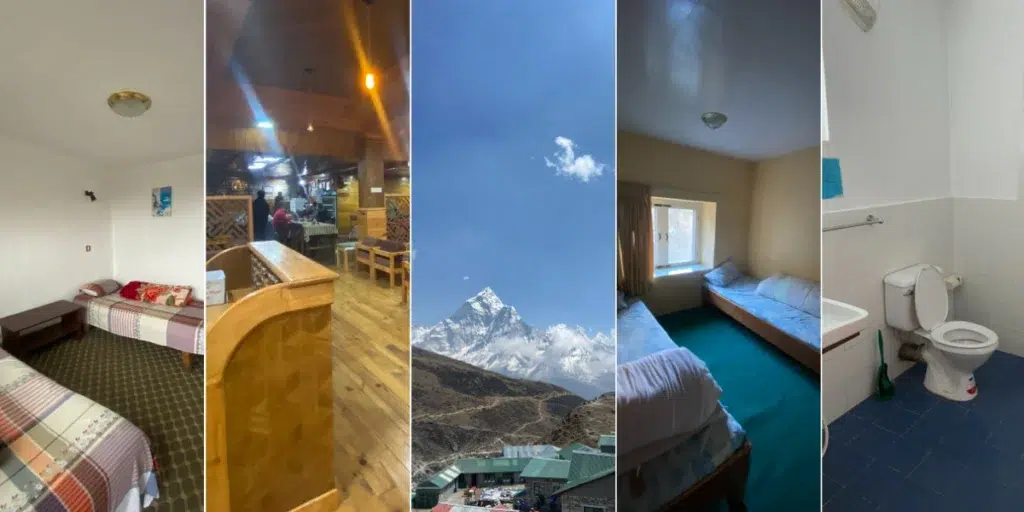
One of the advantages of trekking during off season is that you won’t have to worry about crowded tea-houses. In fact, you might be the only guest in some villages.
Winter: Many tea-houses remain open, especially in the main villages. However, services may be lim get discounted prices due to fewer trekkers.
That said, don’t expect the same hospitality and food variety as in peak season. Always carry some energy bars or dry snacks as backup.
Flight Issues During Off Season
The most common way to start the Everest Base Camp trek is by flying from Kathmandu to Lukla. However, during the off season, flights are often delayed or canceled.
Monsoon flights: Lukla is surrounded by mountains, and even small clouds can disrupt visibility. Rain and fog lead to frequent cancellations.
Winter flights: Snowfall or poor visibility may also cancel flights, although delays are less frequent than in the monsoon.
It’s smart to add 2–3 buffer days to your itinerary. If your flight gets delayed, you’ll still have time to complete your trek or catch your international flight on time.
What to Pack for Everest Base Camp Trek During Off Season?
Packing properly is extremely important for an off-season trek. Your gear can make a big difference between a difficult and a comfortable journey.
Essential Clothing:
- Warm thermal inner layers (top and bottom)
- Insulated down jacket (rated to -10°C or lower)
- Waterproof and windproof outerwear (jacket and pants)
- Fleece jacket or woolen sweater
- Warm hat, gloves, and neck buff
- Woolen socks and extra pairs
- Waterproof trekking boots with a good grip
Trekking Gear:
- Crampons or microspikes (for icy trails)
- Trekking poles (for balance)
- Headlamp with extra batteries
- Sunglasses and sunscreen (yes, even in winter!)
- Waterproof backpack cover
Personal Items:
- First aid kit (include medication for altitude sickness)
- Water bottles and purification tablets
- Snacks like nuts, chocolates, energy bars
- Lip balm and moisturizer (cold air is very dry)
- Portable power bank and extra charging cables
Is It Possible to Do Everest Base Camp Trek During Off Season?
Yes, it is absolutely possible to do the Everest Base Camp Trek during off season, but it’s not for everyone.
If you’re a first-time trekker, you may find it more challenging and uncomfortable. However, if you are an experienced trekker or someone who enjoys solitude, doesn’t mind a little discomfort, and is ready for nature in its rawest form, the off season might be perfect for you.
Here’s a quick summary to help you decide:
✅ Ideal for: Experienced trekkers, adventure lovers, those seeking peace and solitude
❌ Not ideal for: Beginners, people who want clear mountain views, or travelers with tight schedules
Final Thoughts
The Everest Base Camp Trek during off season is a journey filled with challenges, but also rewards that few people get to experience. While the weather might not be perfect and the risks are higher, the quiet trails, peaceful villages, and untouched natural beauty make it a magical time to explore the Himalayas.
Just make sure you’re well-prepared, physically fit, and mentally ready to face changing conditions. With proper planning and guidance, trekking to Everest Base Camp in the off season can be one of the most unforgettable experiences of your life.
